









The Annual Urban Deluge
For millions living in India’s bustling urban centres, the monsoon season is a double-edged sword. It brings relief from the scorching summer heat, but it also triggers a predictable and costly cycle of chaos. Streets turn into canals, traffic grinds
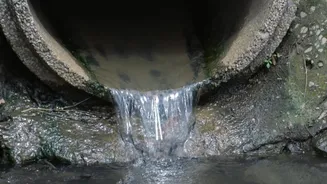
to a halt, and low-lying areas are inundated, disrupting lives and livelihoods. Traditional drainage systems, often decades old and choked with silt and waste, are frequently overwhelmed by the intensity of modern rainfall, a problem exacerbated by rapid, often unplanned, urbanisation that has replaced natural soil with impermeable concrete. This leaves municipal authorities in a constant state of reaction, always playing catch-up to a disaster already in progress.
Enter the Smart Drainage Network
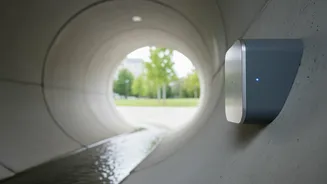
Imagine a city’s drainage system having a nervous system of its own—one that can feel, predict, and react to trouble before it escalates. This is the promise of connected urban drainage sensors. At its core, this technology uses the Internet of Things (IoT) to embed a network of smart sensors throughout the drainage infrastructure. These devices include water level sensors, flow meters, rain gauges, and even sensors that can detect blockages or the presence of sewage gas. Instead of relying on manual inspections, which are slow and impractical during a downpour, this network provides a real-time, comprehensive view of what’s happening underground.
From Reactive to Proactive Management
The single most significant advantage of this technology is the shift from reactive crisis management to proactive, data-driven mitigation. Traditional systems force officials to wait for floods to happen before they can respond. Smart sensors change the game completely. By monitoring water levels in real-time, the system can identify potential overflow points hours in advance. This triggers early warnings for both disaster management teams and the public. Predictive analytics, powered by AI, can analyse sensor data alongside weather forecasts to predict which areas are at highest risk, allowing for targeted interventions long before the situation becomes critical.
Smarter Response, Safer Cities
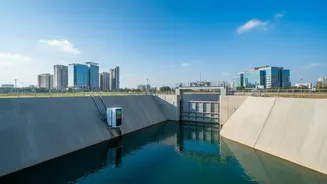
An early warning is only useful if it leads to effective action. Connected sensors enable just that. When the system flags a rapidly filling drain or a blocked channel, authorities can respond with precision. They can deploy mobile water pumps to vulnerable zones, dispatch cleaning crews to the exact location of a blockage, or operate automated sluice gates to divert water flow and ease pressure on the system. This optimises the use of limited municipal resources and ensures that help is directed where it is most needed, minimising property damage and safeguarding lives. A pilot project proposed for the Kolkata-Howrah region, for instance, estimated that a smart drainage system could reduce the duration of waterlogging by up to 80%.
The Indian Context and Its Challenges
This is not science fiction; the technology is already being deployed in parts of India. Under initiatives like the Smart Cities Mission, several municipalities have begun experimenting with IoT-based solutions. In Bengaluru, intelligent monitoring systems use sensors to check for obstacles in drains in real-time. Delhi's ambitious new drainage masterplan also incorporates smart sensors to feed data into central control rooms. However, widespread adoption faces significant hurdles. The high initial investment cost is a major barrier for cash-strapped municipalities. Furthermore, retrofitting ageing infrastructure is a complex engineering challenge, and issues like patchy internet connectivity and the need for regular sensor maintenance must be addressed for these systems to be effective.