



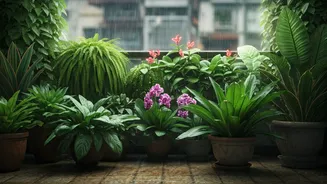


Choose the Right Window Box
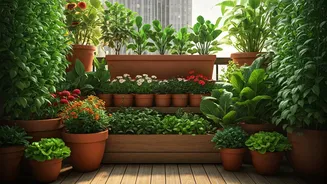
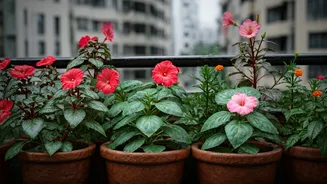
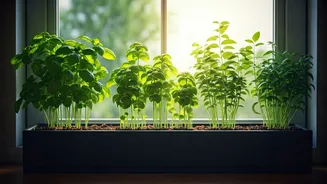
Your journey begins with the container. Window boxes come in various materials like wood, plastic, terracotta, or metal. While wood, like cedar, is durable, plastic is lightweight and budget-friendly. The most crucial feature, regardless of material,
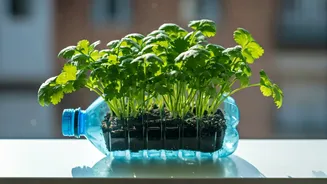
is drainage holes at the bottom. Without proper drainage, water collects, leading to root rot, which is a common reason for failure in container gardening. For a standard window, a box that is at least 6-8 inches deep provides ample space for roots to grow. You can also get creative with upcycled materials, but always ensure you drill holes for drainage.
Select Herbs for the Indian Kitchen
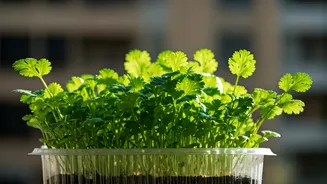
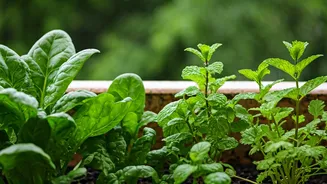
Focus on herbs you will actually use in your daily cooking. For Indian homes, a few choices are almost essential. Mint (pudina) is incredibly resilient and grows fast, so much so that it's best to keep it contained. Coriander (dhania) is another staple, perfect for beginners as it sprouts quickly. Holy Basil (Tulsi) is not only sacred but also hardy and easy to maintain. Other excellent options include curry leaves (which require patience but offer long-term rewards), green chillies, and lemon grass. For those who enjoy global cuisines, Italian basil, oregano, thyme, and rosemary are also fantastic choices that grow well in containers.
Prepare the Perfect Soil Mix
Simply digging soil from a garden and putting it in a pot is a common mistake. Garden soil compacts easily in containers, choking roots and retaining too much water. A high-quality, lightweight potting mix is essential. You can buy pre-made organic potting mixes online or from a local nursery. Alternatively, you can create your own superior blend. A proven formula for Indian conditions is a mix of cocopeat, vermicompost, and perlite (or river sand). A good ratio to start with is 50% cocopeat for moisture retention, 30% vermicompost for slow-release nutrients, and 20% perlite for aeration and drainage. This soilless mix provides the perfect balance for healthy root development.
Sunlight and Water: The Essentials
Most culinary herbs are sun-lovers and require at least 4-6 hours of direct sunlight daily to thrive. A south or west-facing window is often ideal. Herbs like basil, rosemary, and thyme crave even more sun, thriving in 6-8 hours of light. Mint and parsley are more tolerant of partial shade. Check the soil daily by sticking your finger about an inch deep. If it feels dry, it's time to water. Window boxes can dry out quickly, especially in hot weather, so consistent moisture is key, but avoid making the soil soggy.
Harvesting for a Continuous Supply
This is the secret to an 'unlimited' supply of herbs. Regular harvesting encourages plants to become bushier and more productive. For leafy herbs like basil and mint, pinch or snip the stems just above a set of leaves. This encourages the plant to branch out from that point, effectively doubling its growth. Don't just pick individual leaves from the bottom; always trim from the top. For herbs like coriander and parsley, harvest the outer, larger stems first, cutting them close to the base. This allows the younger, inner leaves to continue growing. Frequent, gentle trimming is the best way to ensure your window box keeps producing fresh flavours for your kitchen.