






Master the Art of Washing Produce
During monsoon, fruits and vegetables are more likely to be contaminated with mud, bacteria, and pesticides due to damp conditions. A simple rinse under running water is a good start, but for a more thorough clean, health authorities like FSSAI recommend
extra steps. For leafy greens like spinach, and complex vegetables like cauliflower or cabbage, it's best to separate the leaves or florets. Soaking them for 10-15 minutes in a bowl of water with a tablespoon of salt or a small amount of vinegar can help dislodge hidden dirt and germs. Always rinse them again with clean water before cooking. For root vegetables, a gentle scrub with a brush is effective at removing caked-on soil.
Prioritise Hot, Freshly Cooked Meals
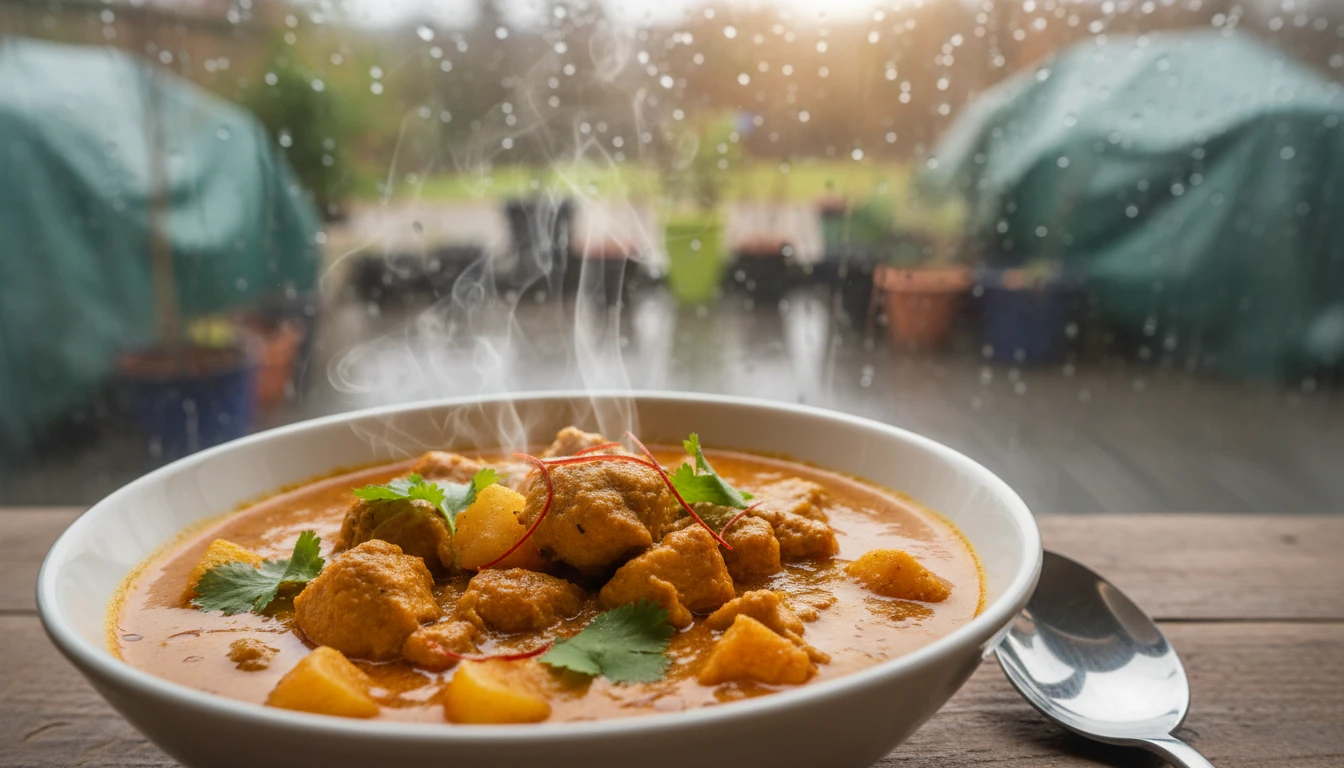
The humid monsoon climate is an ideal breeding ground for bacteria. Cooked food left at room temperature for more than two hours enters a 'danger zone' where microbes can multiply rapidly. Make it a habit to eat freshly prepared meals. When you cook, ensure the food reaches a high temperature to kill any potential pathogens. This is especially crucial for meat and seafood, which spoil quickly in damp weather. When reheating leftovers, bring them to a rolling boil or ensure they are piping hot throughout, not just warm. Steaming vegetables is also a great cooking method during this season, as it effectively kills germs without requiring you to fry them.
Rethink Your Raw Food Habits
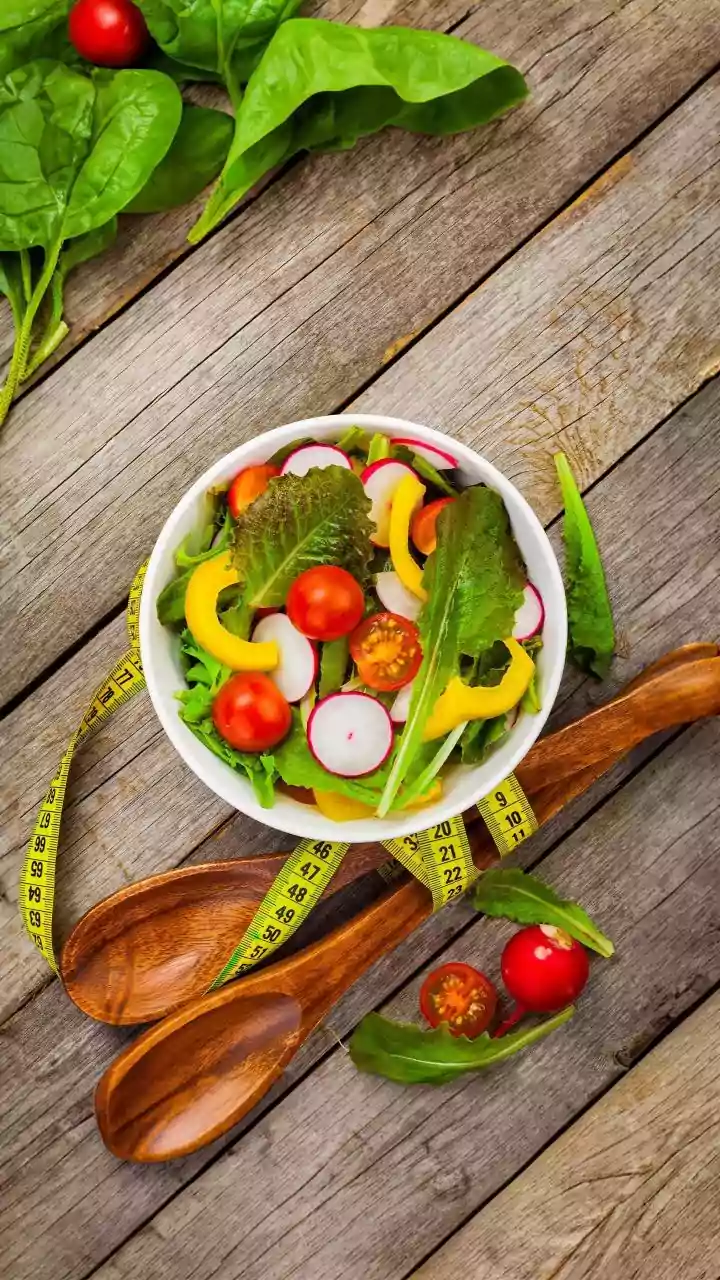
Raw foods carry a higher risk during the rainy season. That salad or fruit chaat might seem healthy, but the raw ingredients could be contaminated. It is safer to switch to cooked or steamed salads during this period. If you do eat raw fruits, choose those with a thick peel that you can remove yourself, like bananas and oranges, and consume them immediately after cutting. Avoid pre-cut fruits from street vendors, as they are often exposed to contaminated water and flies. Even healthy sprouts can harbour harmful pathogens in the monsoon, so it's advisable to boil or steam them before consumption.
Be Street-Food Smart
The craving for hot pakoras and bhutta is undeniable, but street food hygiene can be a major concern during monsoon. Water quality often drops, and the high humidity helps bacteria flourish on food left in the open. If you must indulge, choose vendors who cook the food fresh and hot in front of you. Piping hot items like freshly fried samosas, roasted corn on the cob, or hot masala chai are relatively safer choices. It is best to avoid items that use unboiled water, such as pani puri, and raw chutneys, which are common sources of stomach infections.
Store Food Smarter in High Humidity
Moisture is the enemy of fresh food. High humidity speeds up spoilage, causing everything from biscuits to grains to lose their texture and become prone to mould. Use airtight containers for all dry goods like flour, rice, and spices to protect them from moisture. Don't overfill your refrigerator, as proper air circulation is key to keeping produce fresh. Store raw meat and cooked food on separate shelves to prevent cross-contamination. FSSAI also recommends cleaning and defrosting your fridge regularly, ideally every two weeks, to prevent the build-up of bacteria and mould that thrive in damp conditions.
Focus on Kitchen and Personal Hygiene
Your hygiene practices are your first line of defence. Wash your hands thoroughly with soap and water before and after handling food. Keep your kitchen surfaces, chopping boards, and utensils clean and dry. Use separate chopping boards for raw meats and vegetables to avoid cross-contamination. It's also important to ensure the water you use for cooking and drinking is either boiled, filtered, or from a purified source, as waterborne diseases are rampant during this season.