







The Silent Damage of a Flood
When floodwaters swamp a city park or community garden, the most immediate damage is visible. But beneath the surface, a crisis unfolds. Soil is a living ecosystem, teeming with billions of microbes like bacteria and fungi. These microscopic organisms
are vital for nutrient cycling, breaking down organic matter, and helping plants thrive. Flooding drowns this delicate world, creating an oxygen-deprived, or anaerobic, environment. Within just 72 hours, the beneficial, oxygen-loving aerobic microbes can be almost entirely wiped out. This not only halts essential soil functions but can also create a space for potentially harmful anaerobic bacteria to multiply. Research following Hurricane Harvey in Houston found that antibiotic-resistance genes in soil bacteria increased for several months after the flood, posing a potential health risk.
An Unbalanced Recovery
Left to its own devices, soil can eventually recover, but the process is slow and the outcome uncertain. The microbial community that returns may be significantly different from the one that was lost. Studies have shown that flooding alters the relative abundance of key bacterial groups, and it can take many months for the ecosystem to begin to stabilize. In the immediate aftermath, nutrient availability plummets. For instance, flooding can reduce populations of microorganisms responsible for making phosphorus, a key plant nutrient, available for uptake. This imbalance explains why plants often struggle in post-flood soils and why urban green spaces can take so long to bounce back. The key challenge, then, is not just to wait for recovery, but to actively guide it.
The 'Get Something Growing' Strategy
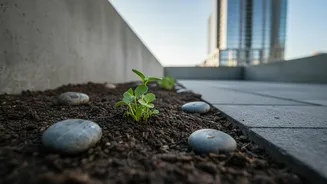
So, how can we actively repair this damage? A growing body of research, much of it from agriculture, points to a surprisingly simple principle: get something growing. Planting what are known as cover crops is a powerful tool for soil restoration. These plants, which can range from legumes to grains like rye, serve multiple purposes. Their roots help aerate the compacted, waterlogged soil, creating pathways for oxygen to return. As they grow, they release sugars and other compounds from their roots—called exudates—which serve as the perfect food for beneficial microbes, kick-starting their repopulation. This process helps re-establish the critical symbiotic relationships that define a healthy soil ecosystem.
Adding Life Back to the Soil
In addition to planting, researchers are exploring more direct interventions. One of the most effective strategies is the application of organic matter like compost or animal manure. This material is not just a source of nutrients; it’s a lifeline for microbial activity. It provides food and habitat, improving the soil's structure and its ability to hold water. Some research also points to the potential of plant-growth-promoting microbes (PGPMs), which are beneficial microorganisms that can be introduced to help regulate soil nutrients and enhance plant tolerance under stressful conditions. By adding these elements, city planners and gardeners can essentially inoculate the soil, accelerating the return of a diverse and functional microbial community.
A Case for Patience and Planning
While active restoration is key, some studies also highlight the importance of patience and timing. Research following an extreme flood in Indiana suggested that in the immediate aftermath, leaving soils undisturbed might be the best first step. Allowing the soil to dry out lets sunlight and dehydration naturally reduce the populations of waterborne microbes deposited by the flood. Any tillage or digging done too early can actually mix these organisms deeper into the soil, slowing their decline. The consensus seems to be a two-step approach: first, allow the soil to dry and settle, and only then begin the active work of restoration through cover crops and organic amendments. This thoughtful approach can dramatically speed up the healing process, which could otherwise take six months or longer.