



That familiar tight, irritated feeling your skin gets in cold weather isn't just in your head. Harsh winds and dropping temperatures actively work against your skin's health, leading to dryness and discomfort. Here’s the science behind it.
The Science of Winter Skin
Winter weather
creates a perfect storm for skin dehydration. Cold air naturally holds less moisture than warm air, meaning the environment itself is drier. When you step outside into a chilly wind, this effect is amplified. The wind strips away the thin layer of natural oils on your skin's surface, which acts as a protective shield. This process accelerates what dermatologists call transepidermal water loss (TEWL), where moisture from the deeper layers of your skin evaporates into the dry air more quickly. Compounding the issue is the shift from cold outdoors to dry, heated indoor air, which further saps moisture from your skin around the clock. This constant fluctuation weakens your skin's outermost layer, the skin barrier, leaving it less able to retain hydration and more vulnerable to irritation.
Your Skin's Protective Barrier
To understand the solution, it helps to first understand the problem on a microscopic level. Your skin barrier, or stratum corneum, is often compared to a brick wall. The skin cells are the 'bricks', and a complex matrix of lipids (fats) acts as the 'mortar' holding them all together. This structure is your body's first line of defence, designed to keep essential water in and harmful irritants and pollutants out. When this mortar is strong and intact, your skin feels soft, hydrated, and resilient. But when it's compromised by factors like cold wind and low humidity, gaps can form in the wall. This leads to increased water loss, resulting in the classic symptoms of winter skin: dryness, flakiness, roughness, and sensitivity.
Meet Ceramides: The Barrier's Building Blocks
This is where ceramides come in. Ceramides are not a trendy, new invention; they are a fundamental component of your skin. These lipid molecules are the primary building blocks of that 'mortar', making up about 50% of the skin's lipid matrix. Their main job is to fill the spaces between your skin cells, ensuring the barrier remains sealed, strong, and effective at retaining moisture. However, ceramide levels can be depleted by environmental stressors—like cold weather and dry air—as well as the natural ageing process. Studies have even suggested that the skin's natural lipid levels, including ceramides, are lower in the winter. When these levels drop, the barrier weakens, and hydration escapes.
How Topical Ceramides Restore Comfort
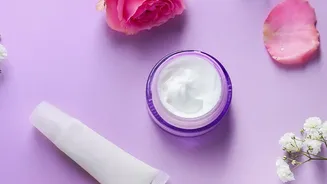
The good news is that you can replenish your skin's supply. Applying ceramides topically through skincare products helps to patch up the holes in your skin's barrier. Think of it as reapplying mortar to a weathered brick wall. By replenishing these essential lipids, you help restore the barrier's structural integrity. This reinforced barrier is far more effective at locking in hydration and preventing the excessive water loss caused by harsh winter conditions. The result is skin that feels more comfortable, looks smoother, and is less prone to dryness and irritation. Studies have shown that ceramide-containing moisturisers can significantly improve skin hydration and barrier function.
Using Ceramides in Your Daily Routine
Incorporating ceramides into your skincare is simple because they are typically found in moisturisers—a step most people already use. They are versatile and work well with other ingredients like hyaluronic acid, niacinamide, and even stronger actives like retinoids, which they can help your skin tolerate better by reducing irritation. To get the most out of your ceramide product, apply it to slightly damp skin, for instance within a minute or two after cleansing. This helps trap an extra layer of water under the ceramide seal, boosting hydration. In your morning routine, a ceramide moisturiser should be applied after any water-based serums and before your sunscreen. At night, apply it after cleansing and any treatment serums to seal everything in and support your skin’s natural overnight repair cycle.