




The New Travel Itinerary
Forget the frantic rush to cover a checklist of monuments. For a growing number of Indian travellers, the ultimate itinerary is guided by the stomach. This trend, known as culinary tourism, is transforming short breaks and weekend trips into immersive
gastronomic journeys. Instead of asking, “What should we see?”, the planning now often begins with, “What should we eat?”. Travellers are actively seeking authentic food experiences, from iconic street food stalls to heritage recipes passed down through generations. This shift reflects a broader desire for experiential travel, where the goal is to connect with a place's culture in a meaningful way—and there are few better gateways to culture than food.
A Taste of Authenticity
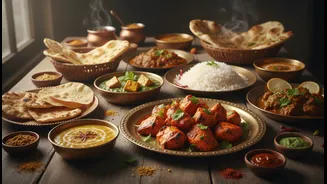
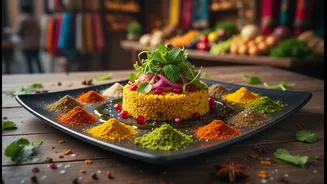
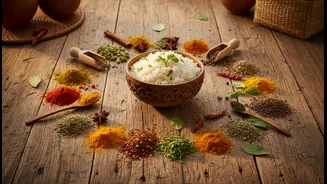
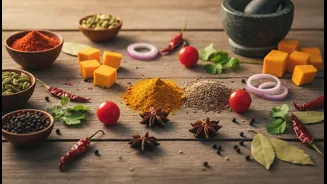
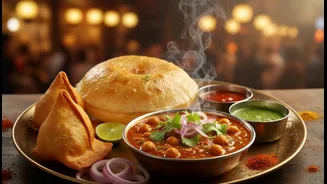
Food is much more than just sustenance; it’s a story on a plate. Each dish is a reflection of a region’s history, geography, and traditions. A trip to Amritsar, for instance, is incomplete without the divine simplicity of the Golden Temple's langar or the buttery goodness of a fresh Amritsari kulcha. Similarly, a weekend in Lucknow offers a taste of royal history through its succulent Awadhi kebabs and aromatic biryanis. These food-focused trips allow travellers to engage directly with local communities, from interacting with street vendors in Old Delhi to visiting spice plantations in Kerala. This quest for authenticity is a powerful driver, turning a simple meal into a memorable cultural exchange.
Spotlight on Regional Flavours
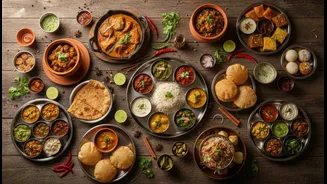
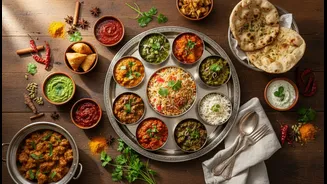
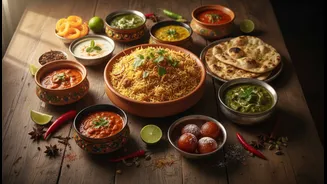
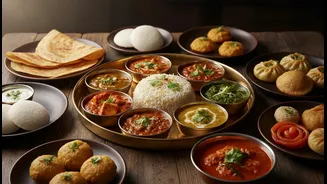
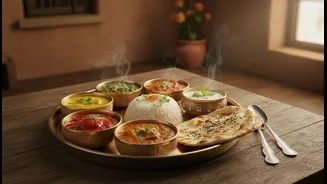
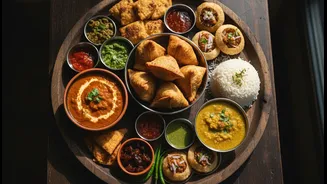
Across India, distinct culinary identities are becoming major tourism draws. In the south, the coastal areas of Kerala and Goa beckon with their fresh seafood curries, infused with coconut and local spices. In the west, Mumbai's vibrant street food culture, from Vada Pav to Pav Bhaji, offers a high-energy culinary adventure. The royal kitchens of Rajasthan attract travellers with rich vegetarian thalis featuring dishes like Dal Baati Churma, while Hyderabad remains the undisputed capital for biryani lovers. Even lesser-known culinary landscapes are gaining prominence, with travellers exploring the unique flavours of Coorg's Pandi Curry or the vegetarian specialities of Gujarat. These destinations prove that a region's most powerful asset is often its unique flavour profile.
The Social Media Effect
The rise of food tourism is intrinsically linked to our digital lives. Platforms like Instagram and the proliferation of food bloggers have put a spotlight on regional delicacies, turning once-hidden gems into must-visit destinations. A visually stunning plate of Hyderabadi biryani or a video of a chef flipping parathas in Chandni Chowk can spark travel inspiration instantly. Recent data indicates that younger travellers, particularly those aged 22-27, are heavily influenced by food content on social media when planning their trips. This digital word-of-mouth has empowered small eateries and local artisans, giving them a platform to reach a national audience and making it easier for travellers to discover and plan their next culinary adventure.
Boosting Local Economies
This trend isn't just enriching for the traveller; it's a significant boon for local economies. When tourists travel for food, their spending directly supports a wide ecosystem, from local farmers and spice merchants to street food vendors and family-run restaurants. Studies show that culinary tourism can stimulate rural development and create sustainable employment opportunities. By creating demand for traditional recipes and local ingredients, food-focused travel also helps in preserving culinary heritage that might otherwise be lost. This creates a virtuous cycle where tourism thrives, local communities benefit, and regional identities are strengthened and celebrated.