




From Plate to Performance
The definition of a luxury meal is expanding far beyond the confines of the kitchen. Today's diners, particularly in metropolitan hubs like Delhi, Mumbai, and Bengaluru, are seeking more than just exquisite food; they're craving an experience. This has
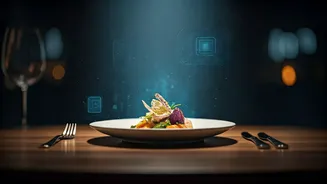
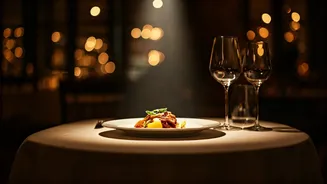
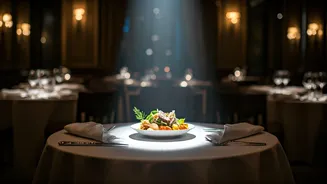
given rise to 'cinematic' or 'immersive' dining, a concept where gastronomy merges with performance, art, and narrative. Restaurants are becoming stages, and a meal unfolds like a play. Concepts range from theatrical culinary shows where actors might step off a screen to perform tableside, to curated nine-course menus where every dish is timed to a scene from a classic film like 'Ratatouille' or 'Twilight'. The goal is to create a multi-sensory journey that engages diners emotionally and turns a simple night out into a shareable, memorable event.
What's Driving the Drama?
Several factors are fuelling this experiential shift. The rise of a more affluent, globally-exposed consumer class means diners are more informed and demanding. They have followed chefs on social media, understand global trends, and want their real-life experiences to match. This aligns with a broader move towards an 'experiential economy,' where people increasingly value memorable moments over material goods. Restaurants are leveraging this by using storytelling, elaborate design, and personalized service to stand out in a competitive market. Social media is also a powerful catalyst; creating a visually stunning, narrative-driven environment is a surefire way to generate buzz and user-generated content, making the restaurant a destination in itself.
Spotlight on the Storytellers
Across the country, culinary pioneers are championing this trend. In Delhi, Dramique bills itself as a theatrical dining destination where the plate 'performs,' with menus designed in dialogue with set design and music to create a cohesive rhythm. Another Delhi concept, Taste Cinemas, offers an experience where you literally eat what you watch, crafting entire menus inspired by movies. Design firms are also creating spaces that tell a story, like Laat Saab's aristocratic Indian palace theme or Office Office's satirical take on a government office. In Gurugram, Kimikai Umami House builds a narrative around the Silk Route, with a fox character at its center and a cocktail menu designed like a three-course meal. These establishments are proving that a strong concept can transport diners to another world entirely.
Beyond the Gimmick
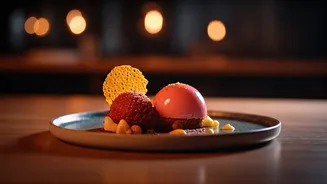
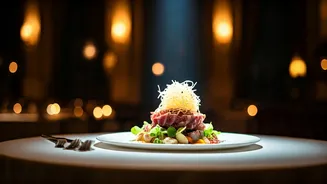
While a unique theme can get customers in the door, the food must deliver for the experience to be worthwhile. The most successful cinematic restaurants understand that the narrative must extend to the plate. Chefs are becoming storytellers, using ingredients to evoke a sense of place or emotion. At Dramique, for example, a Salmon Tartare might open the 'act' with a light, teasing note, while a heavier lamb dish brings a sense of conflict. At Kimikai, the drama is found not just in the decor but in the depth of the umami flavours that live up to the high stakes of the restaurant's narrative. This focus on tying the culinary elements directly to the story ensures that the experience feels holistic and intentional, rather than a superficial gimmick. Chefs now see their role as connecting diners to a story, whether it's about a specific region, a historical period, or a work of fiction.