


A Most Unlikely Atmosphere
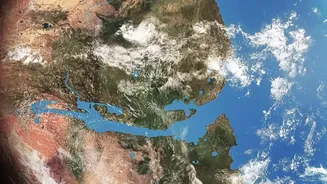
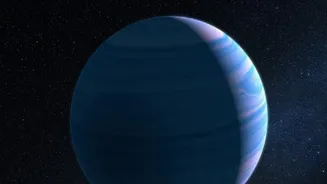
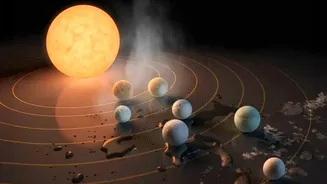
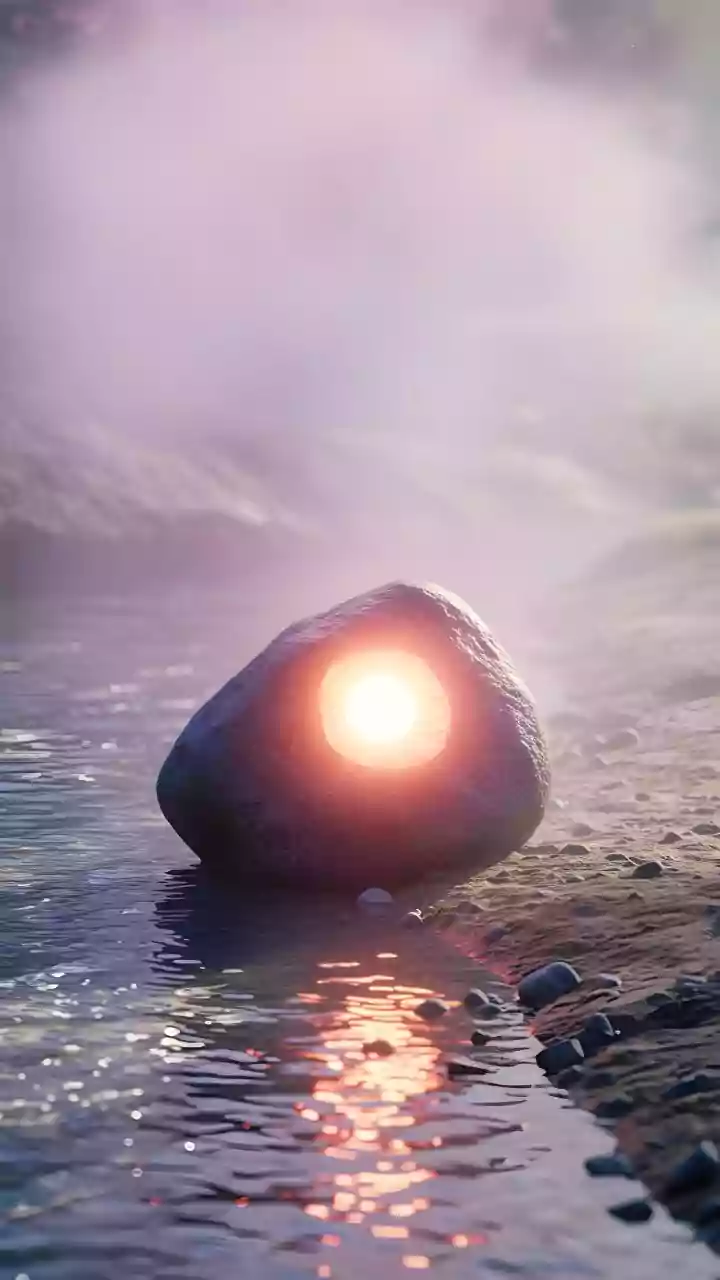
Meet 55 Cancri e, a 'super-Earth' located about 41 light-years away. It is not a place you would want to visit. Orbiting its star in a mere 18 hours, its surface temperature is hot enough to melt rock, earning it the nickname 'lava planet'. For years,
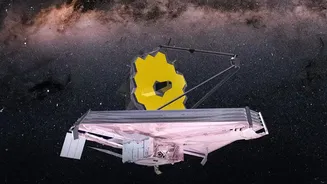
astronomers expected this scorched world to be a bare rock, its original atmosphere long since boiled away by the intense stellar radiation. However, the latest data from the James Webb Space Telescope (JWST) has revealed something astounding: 55 Cancri e appears to have a significant atmosphere after all. This finding challenges our assumptions about which planets can retain a gaseous envelope and how they do it.
How Webb Listens to an Alien Sky
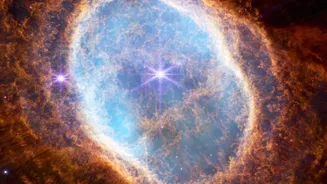
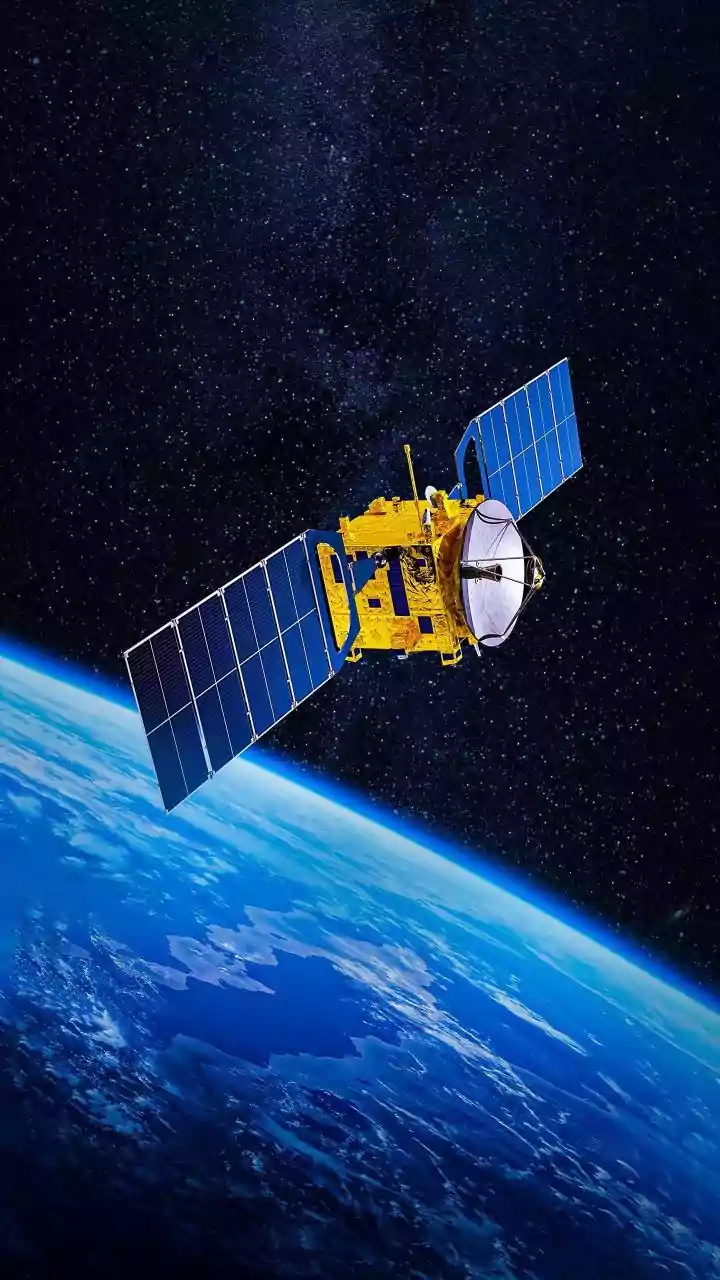
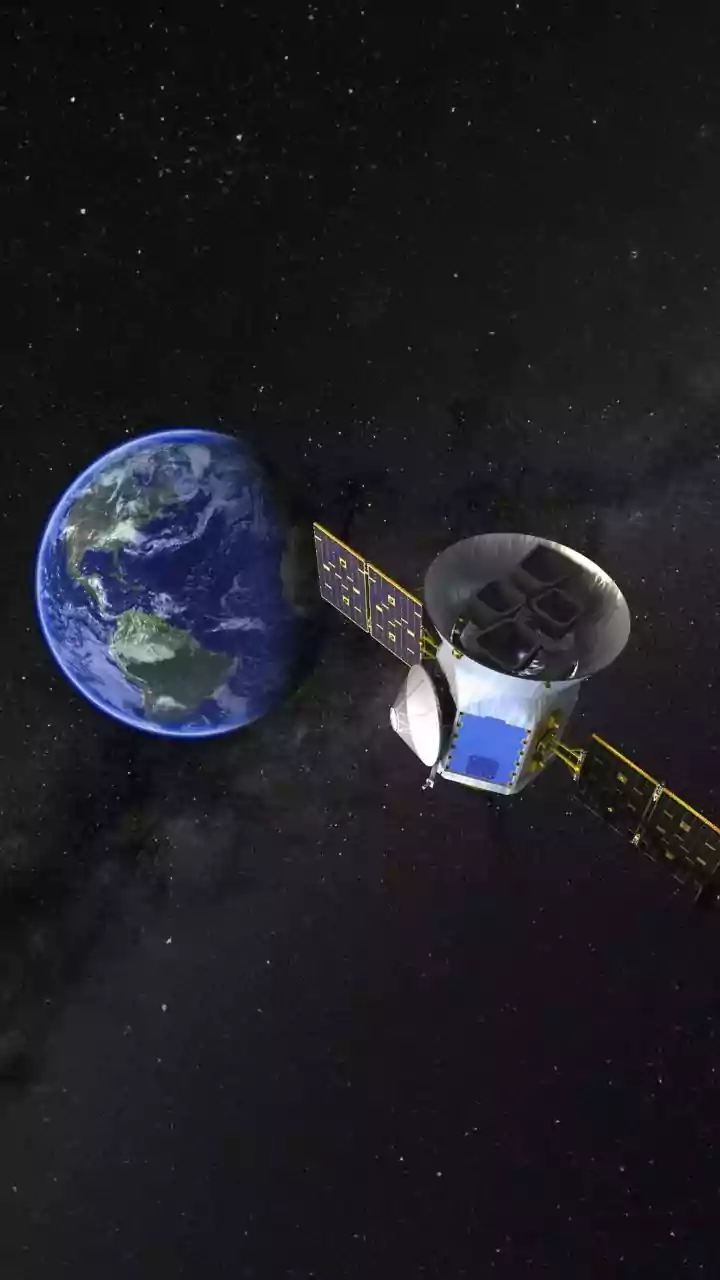
So how does a telescope see an atmosphere from trillions of kilometres away? It uses a technique called spectroscopy. In this case, astronomers used Webb to conduct 'secondary eclipse' observations. They carefully measured the combined light from the star and planet, and then measured the light from just the star as the planet passed behind it. By subtracting the second measurement from the first, they were able to isolate the faint infrared glow coming directly from the planet’s dayside. Within that light is a chemical fingerprint. Different molecules in an atmosphere absorb and emit specific wavelengths of light. By analysing this spectrum, scientists can determine what gases are present, their temperature, and their abundance.
The Breath of a Molten World
The analysis of 55 Cancri e revealed an atmosphere that was both unexpected and dynamic. Instead of being the bare rock scientists predicted, or having an atmosphere dominated by vaporised minerals, the data points towards a world shrouded in gases rich in carbon monoxide and hydrogen. This is puzzling, as a light gas like hydrogen should have escaped the planet's gravity long ago. The leading theory is that we are not seeing a primordial atmosphere, but a 'secondary' one. It is believed the planet is covered in a global ocean of magma, which is constantly 'outgassing'—releasing dissolved gases from the planet's interior into the sky. In essence, the atmosphere is being continuously replenished by the molten world itself.
A Window into a Planet's Interior
This discovery does more than just confirm an atmosphere. The specific mix of gases provides a rare glimpse into the chemistry of an exoplanet’s interior. The presence of a hydrogen-rich atmosphere, for instance, suggests that the planet's internal chemistry strongly favours hydrogen over oxygen. By studying the sky, astronomers are indirectly learning about the geology of a world they can never visit. The findings from 55 Cancri e suggest that even the most extreme and seemingly inhospitable rocky planets can have complex geological and atmospheric cycles, a crucial insight as the search for habitable worlds continues.
A Stepping Stone to Finding Another Earth
Let's be clear: 55 Cancri e is not habitable. But the techniques used to study it are revolutionary. Analysing the atmospheres of rocky exoplanets is exceptionally difficult; their thin gaseous layers and small size make them much harder targets than gas giants. By successfully characterising the atmosphere of this lava world, scientists have proven that the JWST has the power and precision to do it. This is a crucial technological demonstration. It's a dress rehearsal for the main event: pointing the telescope at cooler, rocky planets that orbit within their star's 'habitable zone'—the region where liquid water could potentially exist on the surface. While some discoveries hint at water vapour, this work on 55 Cancri e proves the method for finding it and other gases on rocky worlds is sound.