



The Real Cost of Random Cooking
When every meal is planned in isolation, you end up with a chaotic kitchen. Monday’s recipe needs one specific herb, Tuesday’s a different one, and by Friday, your fridge is a graveyard of orphaned ingredients. This approach is not just frustrating; it's
expensive. Planning meals that intentionally share core ingredients — a concept known as ingredient overlap — is the smartest way to fight back. The benefits are immediate: you save money by buying less, drastically reduce food waste, and simplify your grocery trips. It's not about eating the same thing all week, but about making your ingredients work harder for you.
Start with a Smart Pantry Audit
Before you can plan, you need to know what you have. A regular pantry audit is the first step towards kitchen efficiency. Take everything out of your pantry, fridge, and freezer. Get rid of expired items and take stock of what’s left. This exercise helps you see what you frequently use and what gets forgotten. Keeping an ongoing inventory, whether on a notepad or a digital app, prevents you from buying duplicates and helps you build your weekly meal plan around items you already own. Think of it as a reset button for your kitchen.
The Anchor Ingredient Strategy
The core of overlap planning is the 'anchor ingredient' method. Each week, choose one or two versatile proteins or vegetables to build several meals around. For example, a large batch of paneer can be the star in three very different dishes. You could make a rich Paneer Makhani on Monday, a quick Paneer Bhurji for a midweek lunch, and Palak Paneer for a wholesome dinner towards the end of the week. Similarly, a whole chicken can be roasted one night, with the leftover meat used for sandwiches or a salad the next day, and the carcass boiled for a flavourful soup stock. This strategy ensures one large purchase gets fully utilised, delivering variety without waste.
Master Your Flavour Bases
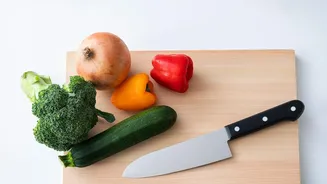
So much of Indian cooking relies on a foundation of aromatic staples. Onions, tomatoes, ginger, and garlic form the backbone of countless curries and sabzis. Instead of starting from scratch every single time, you can prepare these flavour bases in advance. At the beginning of the week, take some time to chop a large batch of onions or prepare a big container of ginger-garlic paste. This 'batch cooking' approach streamlines the nightly cooking process. When your flavour base is ready to go, you're already halfway to a delicious home-cooked meal, making it much easier to resist the temptation of takeout on a busy night.
Embrace Flexible Recipes
Recipes are guidelines, not strict rules. Smart ingredient planning also means being flexible. If a recipe calls for cauliflower but you have a head of broccoli that needs to be used, make the swap. Don’t have fenugreek leaves (methi) but have spinach (palak)? In many dishes, that substitution will work just fine. This flexibility prevents last-minute trips to the store for a single ingredient and empowers you to use what you have on hand. Create an 'eat first' bin or shelf in your fridge for produce that's nearing its end, making it easy to see what should be incorporated into your next meal.