


The Three Routes on Trial
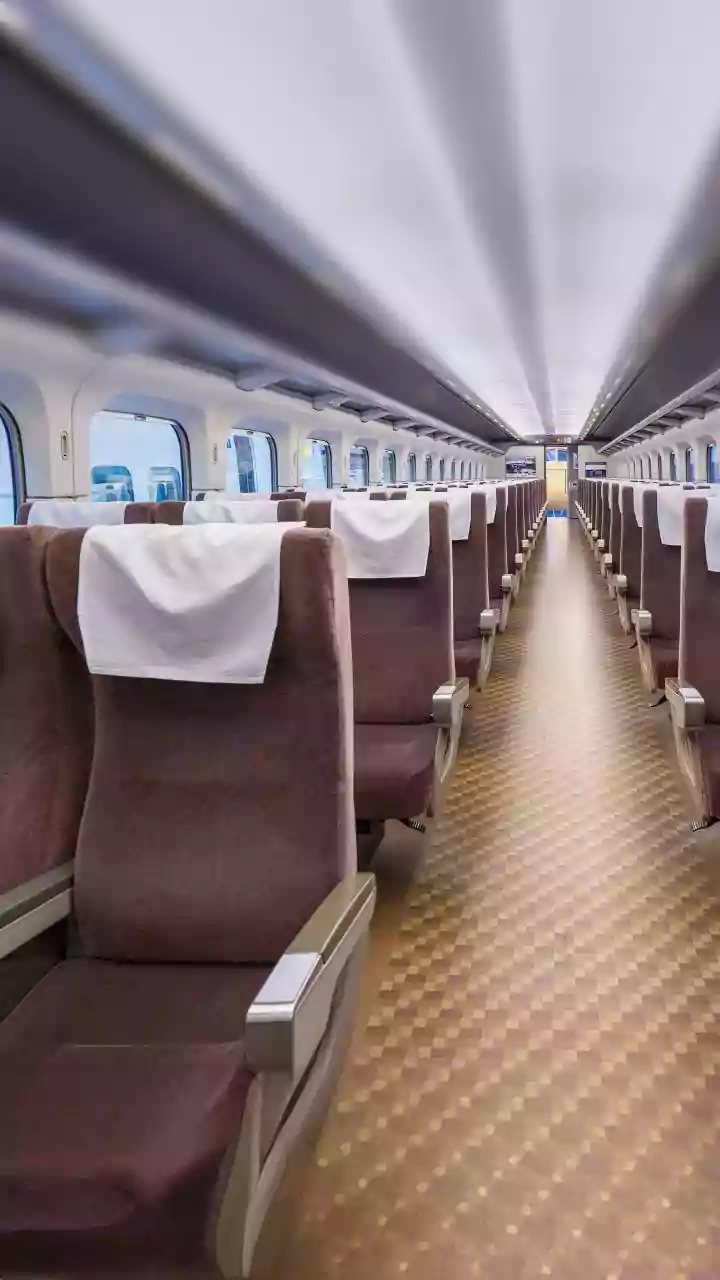
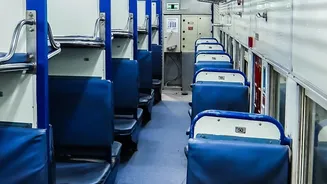
This pilot project, which began on November 1, 2026, is not for all Vande Bharat trains but is specifically being implemented on the three long-distance Vande Bharat Sleeper services. Passengers travelling on the New Delhi-Varanasi, Mumbai-Bengaluru,
and Howrah-Kamakhya (Guwahati) routes will be the first to experience this new catering model. The Indian Railway Catering and Tourism Corporation (IRCTC) has stated that it will closely monitor passenger feedback from these three routes before making any decision on whether to expand this new menu structure to other trains across the Vande Bharat network or other long-distance services. The initiative is designed as a 'proof of concept' to see if a more compact, airline-style meal service can lead to a better overall passenger experience.
Why Quality Over Quantity?
The primary driver behind this significant change is the volume of passenger complaints regarding food quality on trains. Over the years, issues such as cold food, stale meals, and concerns about hygiene have been persistent. Railway officials believe that managing an elaborate menu with 8 to 10 items per meal tray presents operational challenges, especially with limited pantry space and staff on a moving train. By reducing the number of dishes to a core selection of four items, IRCTC aims to streamline the entire catering process, from procurement to preparation and service. The logic is that with fewer items to manage, catering staff and suppliers can apply stricter quality control, ensuring each dish is fresh, hygienic, and consistent. To support this quality push, IRCTC is partnering with major cloud kitchens and established hospitality groups like TajSATS and the Mayfair Group, which have experience in large-scale, high-quality food production.
A Look at the New Menu
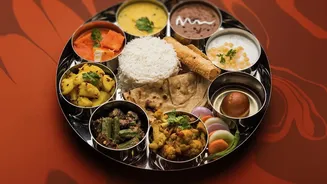
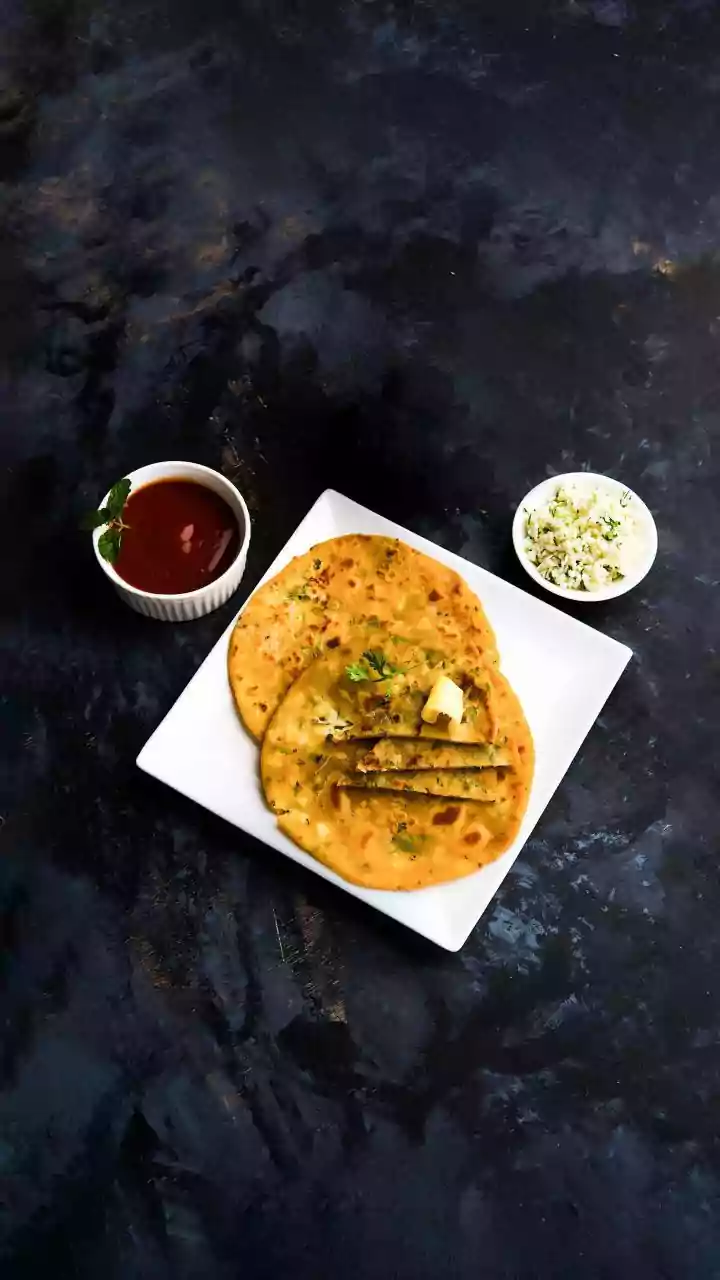
So, what exactly is changing on your meal tray? The new menu focuses on a simplified but substantial core meal. For breakfast, passengers will now be offered a choice from a smaller selection, such as idli-vada with chutney and sambar, poha, or upma. Items like sandwiches, egg omelettes, soup, buttermilk, and chocolates have been removed from the breakfast service. For lunch and dinner, the focus shifts to a classic combination: chapati, rice, dal, and one main vegetable dish. A chicken-based dish will be available as the non-vegetarian option. The most noticeable difference will be the absence of several accompaniments. The elaborate spread that often included a separate dry vegetable, curd, salad, pickles, and a sweet has been discontinued for the trial. This change also means the total weight of the meal has been reduced from approximately 700-750 grams to a more compact 450-500 grams, a reduction achieved by removing side dishes, not by shrinking the main portions.
Impact on Fares and Future Plans
A key question for many passengers is whether this reduced menu will lead to a reduction in catering charges, which are typically included in the ticket fare unless a 'no-food' option is selected at booking. While passengers are closely watching for any changes to the fare structure, there has been no official announcement from IRCTC regarding a price adjustment for the trial period. The success of this pilot project hinges entirely on passenger reception. Officials have made it clear that they are actively assessing feedback to determine if the trade-off of fewer options for higher quality is a welcome one. Early indications from IRCTC's West Zone have reportedly shown a drop in catering-related complaints since the changes were implemented. If the response remains positive, this streamlined, quality-focused approach to onboard dining could become the new standard not just for Vande Bharat trains, but potentially for other premium long-distance trains in the Indian Railways network as well.