







The Challenge of Urban Noise
Living in a bustling Indian city means being surrounded by energy, culture, and, unfortunately, a considerable amount of noise. The sounds of traffic, construction, and neighbours can easily bleed through the walls of modern apartments, making concentration
difficult for those working from home, recording audio, or simply seeking a tranquil environment. Traditional soundproofing methods often involve expensive, bulky, and synthetic materials that are not always practical or eco-friendly. This has left a gap in the market for a solution that is both effective and accessible for the average apartment dweller.
What Are Coir Acoustic Panels?
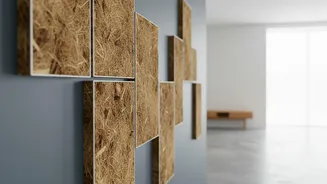
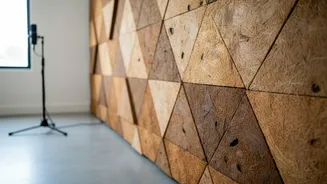
Enter the humble coconut. The fibrous husk of a coconut, known as coir, has been used for centuries to make ropes, mats, and mattresses. Now, this versatile, natural material is being engineered into high-performance acoustic panels. Coir is an agricultural byproduct of the massive coconut industry in India and other tropical countries, meaning it's an abundant and renewable resource. To create these panels, the tough coir fibres are cleaned, processed, and compressed, often with a natural or minimal binding agent, to form rigid boards of varying thicknesses and densities. These panels can then be mounted on walls or ceilings to help control the acoustics of a room.
The Science of Sound Absorption
So, how does a coconut husk stop sound? The effectiveness of coir panels lies in their porous, fibrous structure. When sound waves from your television, a video call, or outside traffic hit the panel, they travel into the millions of tiny air pockets between the coir fibres. As the sound energy moves through this complex web, it creates friction, which converts the acoustic energy into a tiny amount of heat, effectively trapping and dampening the sound. This process is known as sound absorption, and it's particularly effective at reducing echo and reverberation within a room, making speech clearer and spaces feel quieter. While not a complete soundproofing solution that blocks all noise, these panels significantly improve acoustic comfort, especially at mid-to-high frequencies.
An Eco-Friendly Choice
One of the biggest advantages of coir panels is their sustainability. Unlike conventional acoustic foam or fibreglass, coir is a completely natural and biodegradable material. Many traditional sound-absorbing panels are made from synthetic fibres like polyurethane or mineral wool, which can contain volatile organic compounds (VOCs) and are carcinogenic. Coir panels, by contrast, are non-toxic and do not release harmful particles into the air, making them a much healthier choice for indoor environments. By using a waste product of the coconut industry, these panels promote a circular economy, turning agricultural waste into a valuable product and reducing landfill burden.
Affordability and Accessibility
For many, the cost of soundproofing is a major barrier. Professional-grade acoustic treatments can run into tens of thousands of rupees. Coir panels present a far more budget-friendly alternative. Because the raw material is an inexpensive agricultural byproduct, the final product is often more affordable than synthetic options like acoustic foam or fibreglass panels. This makes it a viable DIY project for renters and homeowners alike who want to improve their studio, home office, or media room without a significant financial investment. Studies and manufacturers note that coir offers comparable or even superior performance to some traditional materials, providing excellent value for money.
Practical Considerations for Home Use
Coir acoustic panels are available in various sizes and thicknesses, allowing for customization based on specific needs. Thicker panels generally provide better absorption, especially at lower frequencies. Installation is often straightforward, with many panels designed to be easily mounted on walls. This makes them a practical choice even for renters who cannot make permanent alterations to their space. Furthermore, the natural, earthy aesthetic of coir can be a design feature in itself, adding warmth and texture to a room in a way that synthetic foam panels cannot. As a material, coir is also naturally resistant to moisture and mildew, a significant advantage in humid climates.