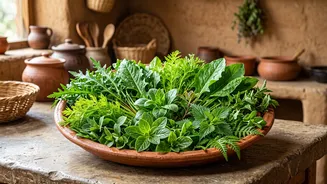

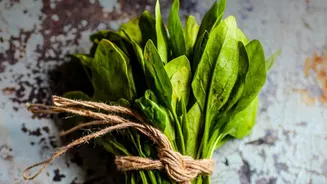


A quiet revolution is unfolding on the plates of India’s finest restaurants. Beyond the familiar spices and staples, chefs are exploring a wilder pantry: the indigenous foraged greens of Central India, prized for their untamed, complex flavours.
A Taste of the Wild
Imagine
a flavour that is sharp, peppery, and deeply earthy, a taste that cannot be cultivated in a field but only harvested from the forest floor. This is the allure of indigenous greens from regions like Chhattisgarh, Jharkhand, and Madhya Pradesh. These are not your everyday palak or methi. We are talking about plants like 'chench bhaji,' with its subtle bitterness, and 'chakod bhaji,' known for its robust, almost meaty texture when cooked. For generations, these greens have been a cornerstone of Adivasi cuisine, offering not just sustenance but a deep connection to the land. Each plant, from the tender leaves of 'lal bhaji' to the sour notes of 'khatti bhaji' (sorrel), carries the unique signature of its ecosystem.
The Allure of Untamed Flavours
For a gourmet chef, flavour is everything, and these wild greens offer a palette that is both new and ancient. Chefs like Thomas Zacharias, founder of The Locavore, have championed the use of such hyperlocal ingredients, exploring how they can transform a dish. Unlike commercially grown vegetables, which are often bred for uniformity and long shelf life, foraged greens offer a dynamic range of tastes and textures. Their peppery, sometimes astringent notes can cut through richness, balance a creamy sauce, or stand alone as the star of a dish. This complexity is a creative goldmine, allowing chefs to craft unique culinary experiences that tell a story of place and season. The slightly bitter notes of some greens, for example, can cleanse the palate, making them a sophisticated addition to a multi-course tasting menu.
A Commitment to Sustainability and Biodiversity
The movement towards using foraged greens is about more than just novelty. It represents a conscious shift towards sustainability in the culinary world. In an age dominated by monoculture crops, championing wild edibles is a powerful statement in support of biodiversity. These plants thrive without pesticides or intensive farming, making them an inherently eco-friendly choice. By creating a demand for them, chefs are encouraging the preservation of the ecosystems where they grow. Furthermore, this trend brings attention to the importance of moving beyond a handful of globally dominant vegetables and embracing the thousands of edible species that have been overlooked. It’s a move from farm-to-table to forest-to-table, fostering a deeper respect for nature's pantry.
Honouring Indigenous Knowledge
Foraging is not a new trend; it is an ancient practice. For the tribal communities of Central India, these greens are a vital part of their food security, nutrition, and traditional medicine. When chefs feature these ingredients, they are also platforming the invaluable indigenous knowledge that surrounds them. This includes understanding the right season to harvest, the proper way to clean and cook plants that may be toxic if prepared incorrectly, and their medicinal properties. This collaboration creates a bridge between urban fine dining and rural traditions, fostering mutual respect. By placing value on these 'lost' foods, the culinary world helps preserve cultural heritage that is deeply intertwined with the natural world.
Forging a New Culinary Identity
The embrace of wild greens is part of a larger quest to define a modern Indian culinary identity that is authentic, diverse, and deeply rooted in the subcontinent's own landscapes. For years, luxury dining in India often leaned on imported ingredients. Today, a new generation of chefs is confidently looking inward, finding inspiration in the wild abundance of their own backyards. This 'locavore' movement not only reduces food miles but also builds a more resilient and equitable food system, where the foragers and farmers who are stewards of this biodiversity are given the dignity and economic opportunities they deserve. The result is a dining experience that is not only delicious but also meaningful, connecting the diner to the very soil of India.