





The Decades-Old Dilemma
Across Maharashtra, a state with roughly 45 lakh agricultural electricity connections, farming has long been a gamble against nature and infrastructure. Farmers traditionally relied on rain-fed agriculture for a single-season crop, typically paddy or millets.
For any additional irrigation, they faced a difficult choice: depend on an erratic grid that often supplied power only at night, or invest in expensive diesel pumps with fluctuating fuel costs. This uncertainty suppressed yields, limited crop choices, and often forced families into seasonal migration to cities for daily wage work just to make ends meet. Even when water sources like dams were nearby, getting that water to the fields remained a significant, costly challenge.
How Solar Pumps Change the Game
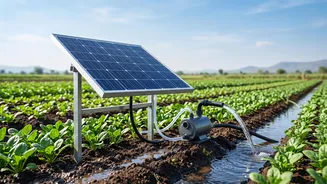
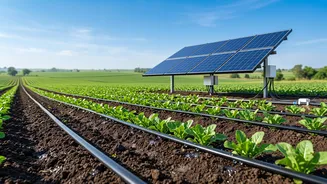
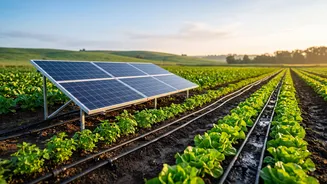
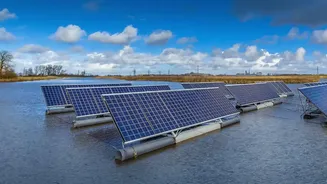
Solar irrigation pumps offer a simple yet powerful solution. By harnessing sunlight through photovoltaic (PV) panels, these systems power a pump to draw water for irrigation without needing grid electricity or diesel. This provides farmers with a reliable, consistent water supply during the daytime, aligning with crop needs and a normal working day. The technology eliminates the financial burden of diesel and the unpredictability of the grid, giving farmers unprecedented control over their water resources. When paired with efficient methods like drip irrigation, these systems also promote water conservation, a critical benefit in water-scarce regions.
From Survival to Profitability
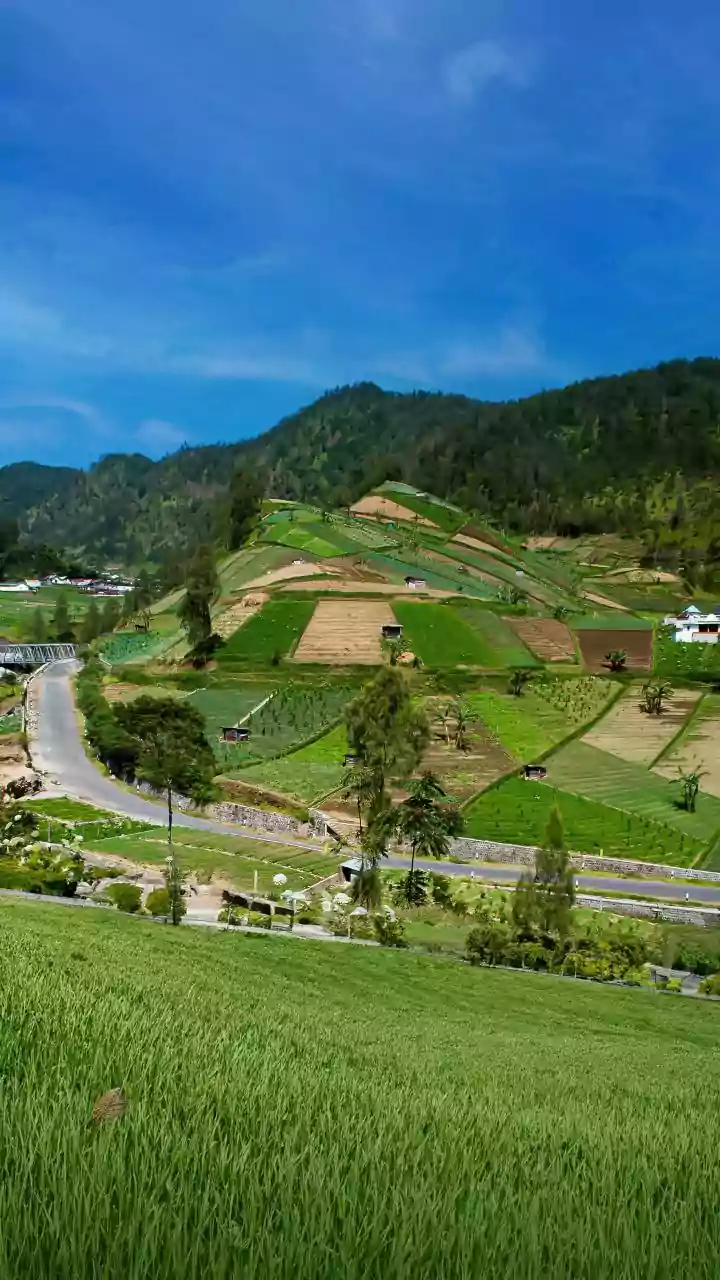
The impact of this reliable water access is transformative, shifting farmers from subsistence to profitability. With year-round irrigation now possible, farmers can cultivate a second or even third crop, breaking free from single-season dependency. This has led to a significant diversification of crops. Many are moving beyond traditional grains to cultivate high-value vegetables, fruits, and cash crops like groundnuts, onions, and chillies. In Tulyachapada village in Palghar district, for example, land under cultivation expanded from just five acres to over 95, with vegetable cultivation growing from zero to nearly 40 acres after the installation of shared solar pumps. Farmer Ashok Karade in Gadchiroli reported his income crossing ₹3.5 lakh per year after installing a solar pump, as he was able to grow a second crop and no longer worried about electricity bills or power outages.
Government Schemes Powering the Change
This agricultural shift is being accelerated by government support. The central government's PM-KUSUM (Pradhan Mantri Kisan Urja Suraksha evam Utthaan Mahabhiyan) scheme and Maharashtra's own Mukhyamantri Saur Krushi Vahini Yojana (MSKVY 2.0) are crucial drivers. These programs aim to provide farmers with heavily subsidised solar pumps. Under PM-KUSUM, farmers may receive subsidies of up to 60%, requiring them to pay as little as 10% of the upfront cost, with loan options available for the rest. This makes the high initial investment manageable for smallholders. MSKVY 2.0 further aims to solarise agricultural electricity feeders themselves, ensuring reliable daytime power to entire farming communities by building solar plants near substations.
Challenges and the Road Ahead
Despite the clear benefits, the transition is not without challenges. The initial capital cost, even with subsidies, can still be a hurdle for the smallest and most marginal farmers. Ensuring proper maintenance and technical support in remote areas is another critical factor for long-term success. Perhaps the most significant long-term concern is the potential for groundwater over-extraction. With newfound water security, there is a risk of unsustainable water use if the technology isn't paired with conservation awareness and efficient irrigation techniques. Experts recommend strengthening technical support and water management training to ensure these solar initiatives remain sustainable for decades to come.