

The Building Blocks of Muscle
To understand muscle growth, we first need to talk about amino acids. Think of them as the essential building blocks your body uses to construct protein. There are 20 different amino acids, and nine of them are considered 'essential' because your body can't
produce them on its own; you must get them from food. These nine are crucial for countless bodily functions, but they are especially vital for repairing and building muscle tissue after exercise. When a food source contains all nine of these essential amino acids in adequate amounts, it's referred to as a 'complete protein'.
The Myth of ‘Incomplete’ Plant Protein
For years, a common myth suggested that plant-based proteins were 'incomplete' and therefore inferior to animal proteins like meat, eggs, and dairy. This isn't entirely accurate. Most plant-based foods actually contain all nine essential amino acids, but some are low in one or two specific ones. For example, legumes like beans and lentils tend to be lower in the amino acid methionine, while grains like rice and wheat are often lower in lysine. These are known as 'limiting amino acids' because their low quantity can limit the body's ability to synthesize protein. However, this doesn't make them ineffective; it just means we need to be a little smarter about how we eat them.
The Power of Protein Combining
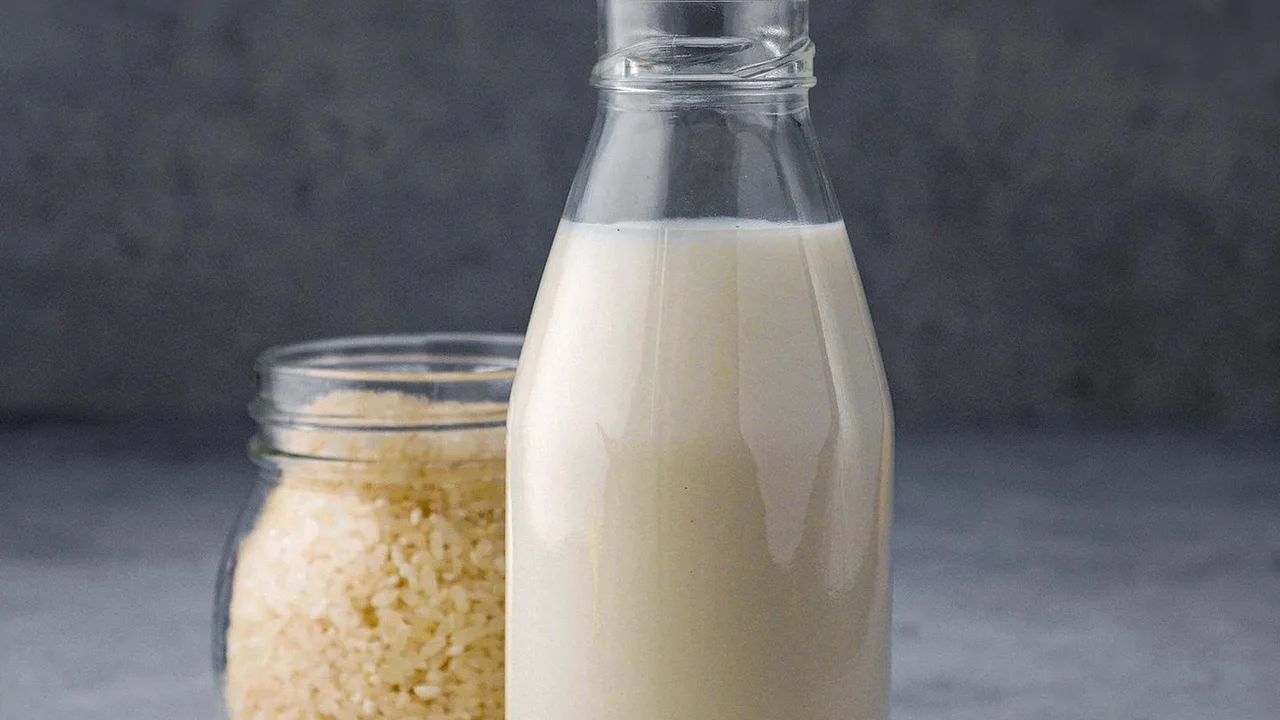
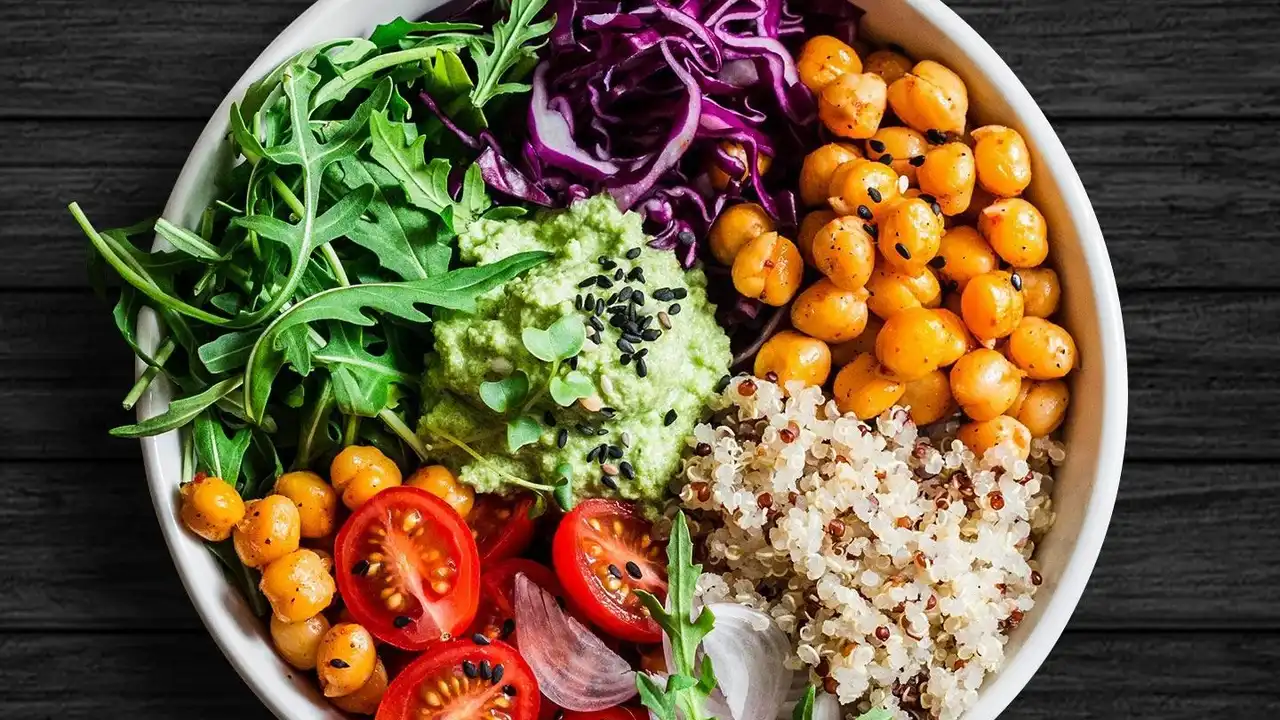
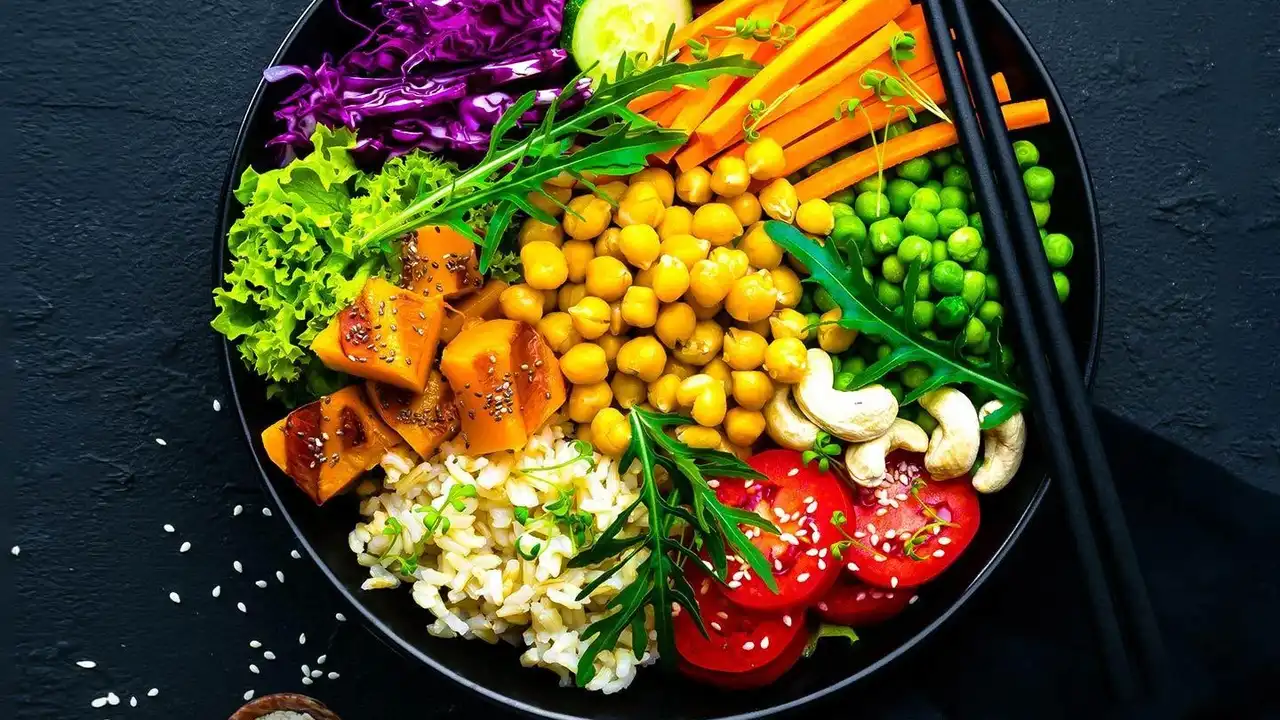
This is where mixing plant proteins becomes a game-changer. The strategy, known as protein complementation, involves pairing different plant foods to create a balanced amino acid profile. By combining foods with different strengths, you easily cover any individual weaknesses. For instance, when you eat rice (low in lysine, high in methionine) with beans (high in lysine, low in methionine), your body gets an ample supply of all essential amino acids, similar to what you'd find in an animal protein source. This synergy unlocks the full potential of plant-based foods, providing your muscles with the complete set of tools they need to repair and grow.
Smart Pairings for Optimal Growth
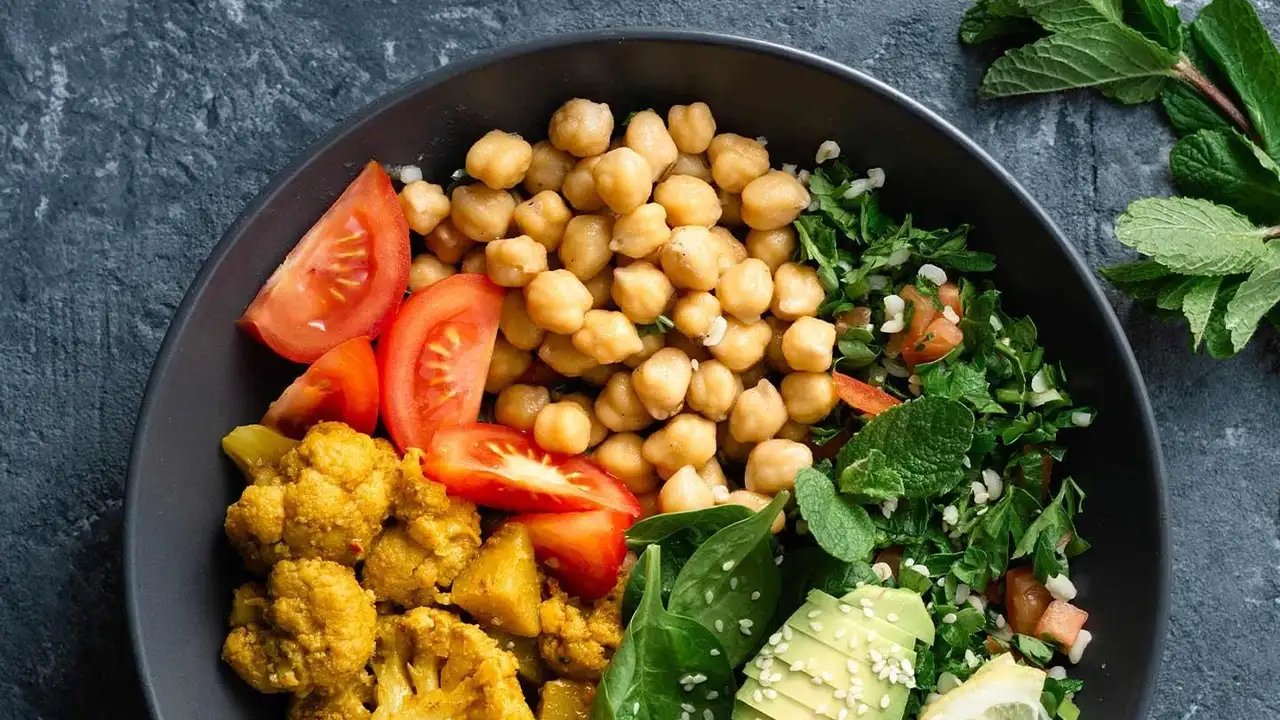
Creating complete protein meals is simpler than it sounds and has been a cornerstone of traditional diets around the world for centuries. Some classic and effective combinations include: hummus (chickpeas and tahini) with whole-wheat pita bread, peanut butter on whole-grain toast, lentil soup with a side of whole-grain crackers, and a quinoa salad with black beans and sunflower seeds. Other powerhouse plant foods like soy (in the form of tofu, tempeh, and edamame), quinoa, and buckwheat are considered complete proteins on their own, containing all nine essential amino acids in sufficient amounts.
Timing Is More Flexible Than You Think
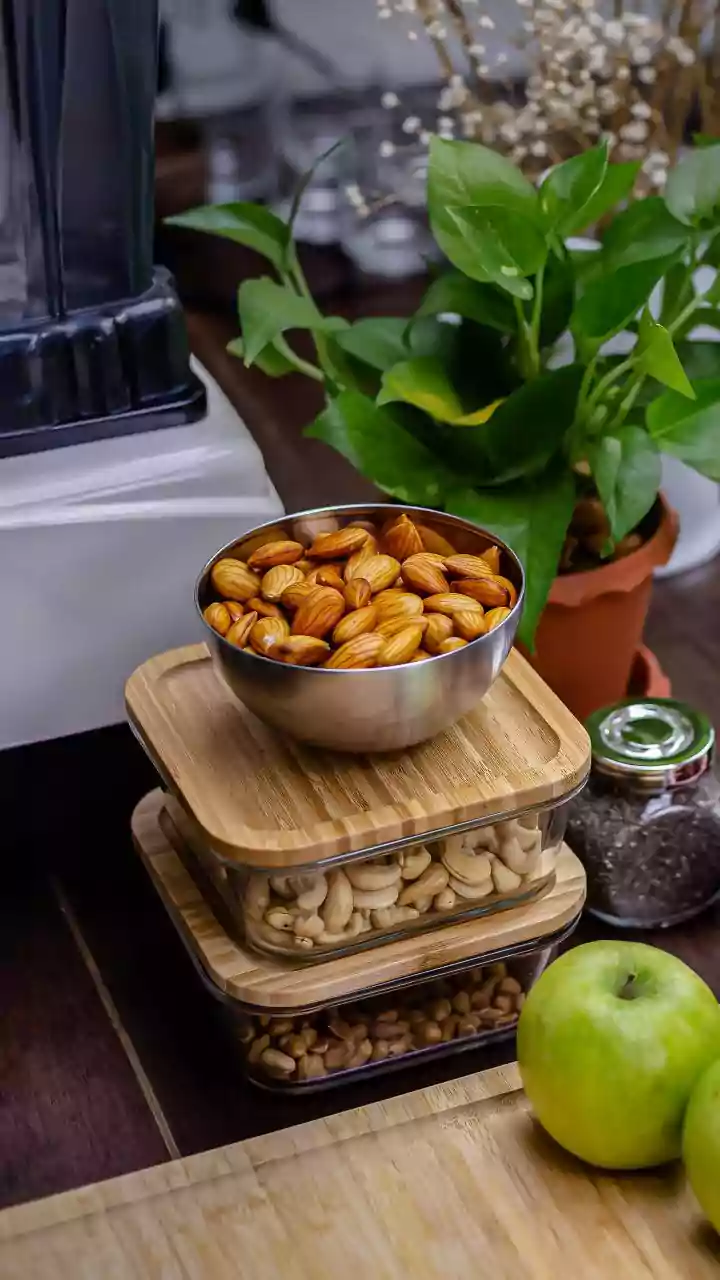
Another outdated belief was that you needed to eat complementary proteins in the same meal for them to be effective. Modern nutrition science has shown this is not necessary. Your body maintains a reserve pool of amino acids it can draw from throughout the day. So, as long as you consume a variety of plant protein sources—legumes, grains, nuts, and seeds—over the course of your day, your body will have everything it needs to function optimally and build muscle. The focus should be on overall dietary variety rather than stressing about perfect combinations at every single meal.