


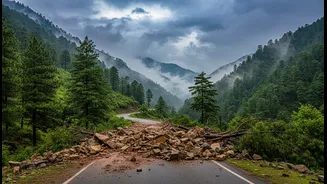


Why Daily Checks are a Non-Negotiable
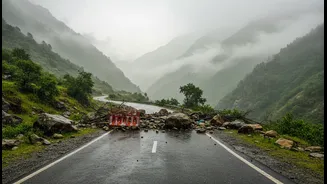
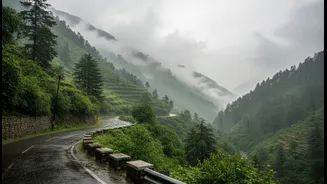
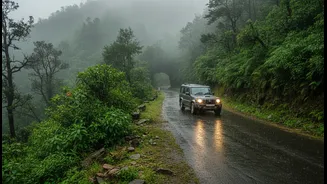
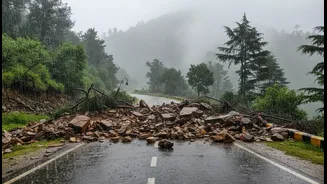
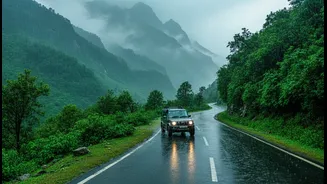
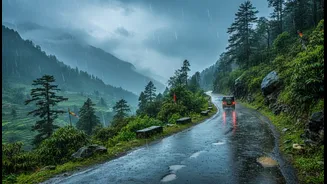
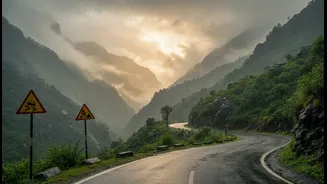
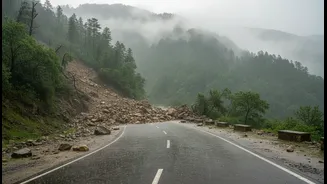
Especially during the monsoon (June to September) and winter months, Himachal's roads are highly susceptible to disruption. Heavy rains can trigger landslides and flash floods, while snowfall can block high-altitude passes for days. Recent weather patterns
show the monsoon remaining active across the state, with the India Meteorological Department (IMD) frequently issuing alerts for heavy rainfall in districts like Kangra, Mandi, Shimla, and Kullu. These events can lead to sudden road closures, leaving travellers stranded for hours or even days. A quick check before starting your day isn't just a good idea; it's an essential part of your travel safety plan, allowing you to alter routes or schedules to avoid getting stuck.
Your Official Information Toolkit
Relying on outdated information or just following a GPS route blindly can be dangerous. Smart travellers use official and verified sources for the most accurate updates. The Himachal Pradesh Police and State Disaster Management Authority (HPSDMA) are key resources. The HP Police often posts traffic advisories on their official website and social media channels. Another critical tool is the national Parivahan portal, which can be accessed for state-specific updates. For weather warnings, the IMD's bulletins are the most reliable source. Additionally, the National Highways Authority of India (NHAI) provides updates, especially during monsoons, and has an emergency helpline (1033) for reporting blockages.
Key Routes That Demand Extra Caution
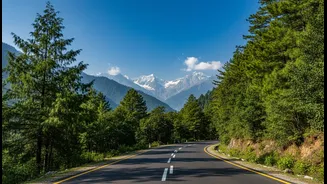
While any mountain road can be unpredictable, some major arteries in Himachal are notoriously prone to issues. The Chandigarh-Manali highway (NH-3) often faces blockages due to landslides, particularly in the stretch between Mandi and Kullu. The iconic Manali-Leh Highway, with its high passes like Rohtang and Baralacha La, is subject to weather-based closures and requires careful, real-time monitoring. Similarly, the Hindustan-Tibet Road (NH-5) connecting Shimla to the tribal districts of Kinnaur and Spiti is vulnerable to landslides and flash floods. Other routes, like those around Chamba, Jalori Pass, and the interior roads of Kullu, also warrant daily checks.
Beyond Apps: The Power of Local Knowledge
Technology is a great ally, but it shouldn't be your only one. Local knowledge is often the most current and practical. Before embarking on a journey between towns, talk to your hotel staff, taxi drivers, or local shopkeepers. They often have real-time information from a network of other drivers and residents about the exact location and severity of a roadblock. Community-driven platforms and social media groups where locals and other travellers share live updates can also be invaluable resources, filling the gap that official channels might not cover immediately. This on-the-ground intelligence can help you make informed decisions, like whether to wait out a blockage or take a verified alternate route.
Your Monsoon Travel Action Plan
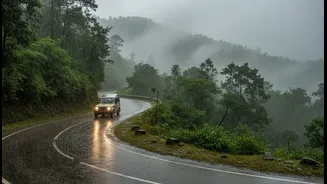
Being prepared can turn a potential crisis into a minor inconvenience. First, always have a flexible itinerary and a Plan B. Before you travel, pack an emergency kit for your vehicle containing extra water, non-perishable food like biscuits and chocolates, a first-aid kit, a powerful torch, and a fully charged power bank. Keep your vehicle's fuel tank full, as the next petrol pump might be inaccessible. Avoid driving at night during heavy rain, when visibility is poor and the risk of sudden landslides is higher. If you do get stuck, stay calm, avoid crossing flowing water, and alert authorities if possible. Following official advisories is paramount; avoid travel if an orange or red alert has been issued for your intended route.