


Our Cities Are Getting Hotter
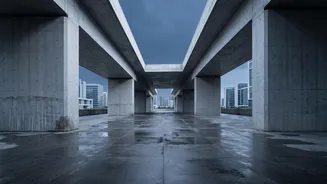
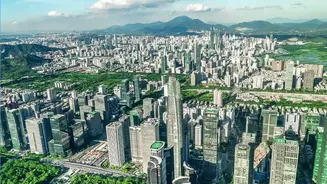
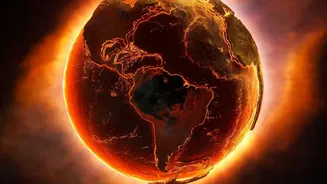
One of the most immediate effects of losing parks is the rise of the 'urban heat island' effect. Concrete and asphalt absorb and retain far more heat than greenery. Without trees and grass to provide shade and cooling through evapotranspiration, our cities
become significantly hotter than surrounding rural areas. This isn't just a minor inconvenience; it leads to more frequent and intense heatwaves, which pose serious health risks like heatstroke and exhaustion, particularly for vulnerable populations. Studies across major Indian cities, including Delhi, Mumbai, and Hyderabad, have documented this worrying trend, linking land use changes directly to rising urban temperatures. Essentially, by replacing parks with buildings, we are building our own ovens.
A Heavy Toll on Health and Well-being
The connection between green spaces and health is undeniable. Research increasingly shows that a lack of access to parks is linked to a rise in physical and mental health issues. A study near Hyderabad found that rapid urban development was associated with higher risks of hypertension, obesity, and other cardiometabolic issues. This is partly because parks provide crucial, free spaces for physical activity—walking, jogging, and playing. Beyond the physical, green spaces have a restorative effect on mental health, helping to reduce stress, anxiety, and depression. In a rapidly urbanizing India, where mental health challenges are a growing concern, the disappearance of these natural sanctuaries has serious public health implications.
The Fraying of Community Bonds
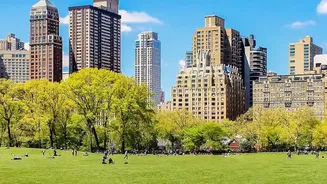
Parks are more than just collections of trees; they are the social heart of a neighbourhood. They serve as natural gathering places where people from different walks of life can interact, children can play, and elderly residents can find companionship. When these spaces disappear, opportunities for community interaction dwindle, which can lead to social isolation and a weaker sense of community. This loss disproportionately affects lower-income neighbourhoods, which often have less green space to begin with, deepening social inequalities. Without these shared public areas, our cities risk becoming collections of isolated individuals rather than interconnected communities.
An Escalating Environmental Price
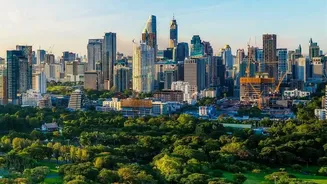
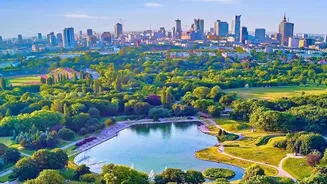
The environmental cost of shrinking parkland is steep. Urban green spaces are vital ecosystems that support biodiversity, improve air quality by filtering pollutants, and help manage stormwater by absorbing rainfall. As cities like Chennai and Mumbai expand, their per capita green space has fallen dramatically below the standards recommended by global health bodies. This loss of green cover contributes to poorer air quality, increased risk of urban flooding, and a decline in local wildlife. The National Forest Policy of India recommends green belts in urban areas for a reason—they are essential natural infrastructure for a city's resilience.
The Search for Greener Solutions
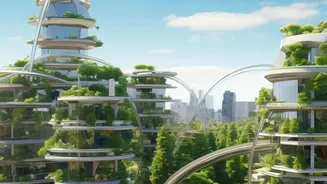
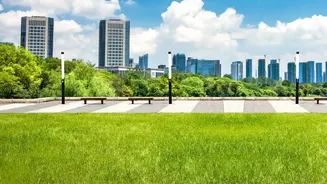
The challenge is immense, but not insurmountable. Across India, there is growing recognition of the need to protect and create urban green spaces. Government initiatives like the Smart Cities Mission and AMRUT aim to integrate green planning into urban development. Some states, like Tamil Nadu, have introduced policies mandating minimum green cover in cities. Innovative solutions are also emerging, such as creating vertical gardens, green roofs, and reclaiming underutilised land for small 'pocket parks'. Citizen groups and NGOs are also playing a crucial role, advocating for the protection of existing parks and pushing for more inclusive, accessible green spaces for all residents. These efforts highlight a critical shift in perspective: viewing parks not as optional luxuries, but as essential components of a healthy, livable city.