

What is a Humidity Tray?
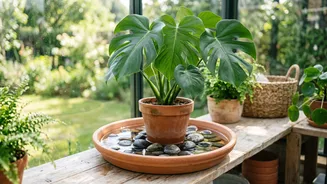
A humidity tray, often called a pebble tray, is simply a shallow tray or dish filled with a layer of pebbles and water. Your plant's pot sits on top of the pebbles, elevated above the water line. As the water in the tray evaporates, it increases the ambient
moisture in the immediate vicinity of the plant, creating a humid microclimate that many popular houseplants love. This method is an affordable and low-maintenance alternative to electric humidifiers or constant misting.
Which Plants Benefit Most?
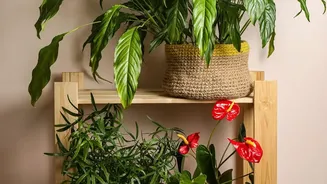
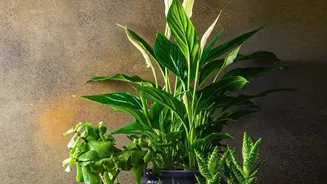
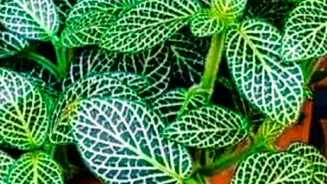
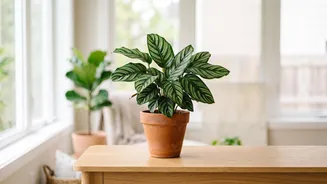
Many of our favourite houseplants originate from tropical rainforests, where humidity is consistently high. These are the plants that will show the most appreciation for a humidity tray. Signs that your plant is craving more moisture include browning leaf tips and edges, curling leaves, and slow or stunted growth. Plants that thrive with extra humidity include ferns (like Boston and Maidenhair), Calatheas, Marantas (Prayer Plants), Orchids, Alocasias, and Anthuriums. Most common Monsteras, Philodendrons, and Pothos also appreciate the boost, though they are generally more tolerant of average home conditions.
A Simple Step-by-Step Guide
Creating your own humidity tray is remarkably easy and can even be done with items you already have at home. First, select a waterproof tray or saucer that is wider than the base of your plant's pot; the larger the surface area, the more effective the evaporation. Fill the tray with a layer of pebbles, gravel, or decorative stones. Next, add water to the tray, ensuring the level stays just below the top of the pebbles. It is crucial that the bottom of the plant pot does not sit directly in the water, as this can lead to waterlogged soil and root rot. Finally, place your potted plant on top of the pebbles. That’s it! Your personal plant humidifier is ready.
Common Mistakes to Avoid
While simple, there are a few common pitfalls to avoid for the best results. The most critical mistake is overfilling the tray. If the pot's drainage holes are in contact with the water, the soil will become saturated, leading to root rot. Always keep the water level below the top of the pebbles. Another error is using a tray that is too small, which will evaporate too quickly to be effective. Finally, don't forget maintenance. Neglecting to clean the tray can lead to a buildup of algae, mould, or even pests like fungus gnats. It's good practice to rinse the pebbles and wash the tray every few weeks to keep things fresh.
DIY and Maintenance Tips
You don't need to buy a special kit. Any shallow, waterproof container can work, from old plates to repurposed plastic food containers. This makes it a free and eco-friendly solution. You can use any small stones, gravel, or even porous clay pebbles, which absorb and release water slowly for a more sustained effect. Check the water level every few days and top it up as it evaporates. The rate of evaporation will depend on the season and the dryness of your home's air, especially during winter when heating systems are running. For an even greater impact, group several humidity-loving plants together over a larger tray to create a lush, humid zone that benefits all of them.