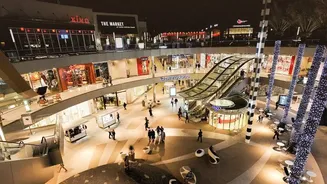




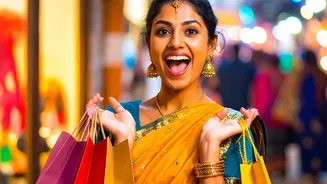
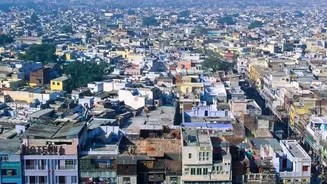
The traditional story of Indian retail, long dominated by megacities, is being rewritten. This festive season, the real action is in Tier-2 hubs, where malls are reporting record-breaking footfalls and a significant surge in consumer spending.
A Consumption Boom Beyond the Metros
While metro
markets like Delhi and Mumbai remain crucial, the most explosive growth in retail is now happening in cities like Chandigarh, Lucknow, Jaipur, and Mangaluru. This trend was particularly evident during the recent 2026 festive shopping season, which saw shoppers in non-metro regions driving a significant portion of sales. It's not just about more people showing up; they are also spending more per visit. Consumers in Tier-2 cities are increasingly trading up, purchasing premium products across categories like fashion, electronics, and beauty. This shift signals a maturing consumer base with higher disposable incomes and aspirations that mirror their metro counterparts.
The New Hubs of Indian Retail
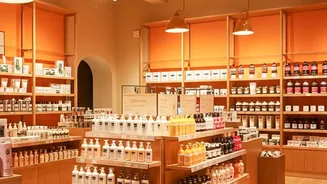
Several Tier-2 cities are emerging as standout performers. Chandigarh, for instance, boasts the highest monthly per-capita consumption expenditure in the country, even surpassing major metros. This is backed by high-quality retail infrastructure, with over 90% of its shopping centre stock rated as Grade A. Lucknow has the highest concentration of unique international brands, while Mangaluru is the most brand-dense market, with over 102 international stores per million people. Other cities like Kochi, Jaipur, Indore, and Coimbatore are also becoming significant retail destinations, attracting both brands and shoppers. This growth is a direct result of better infrastructure, rising urbanisation, and a young, aspirational population.
What's Driving the Spending Spree?
Several factors are fueling this boom. A primary driver is rising disposable income, creating a new class of consumers with the capacity and willingness to spend. The rapid penetration of high-speed internet and smartphones has also played a crucial role, making consumers in smaller cities as digitally fluent and trend-aware as those in the metros. This 'phygital' behaviour, where online discovery leads to offline purchases, is particularly beneficial for categories like fashion and jewellery that thrive on a touch-and-feel experience. Furthermore, many Tier-2 markets were previously underserved by organised retail, creating pent-up demand that is now being met by a new wave of high-quality mall development.
From Essentials to Aspirations
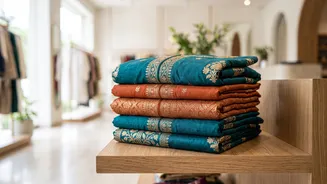
The shopping basket in Tier_2 cities has evolved significantly. While essentials and groceries still see strong growth, the real story is the surge in discretionary spending. Fashion has emerged as a key growth driver, with apparel and lifestyle categories contributing significantly to festive sales. Retailers note a clear trend towards premiumisation, with shoppers willing to pay more for quality, design, and a better brand experience. This extends beyond clothing to electronics, where larger_screen TVs are popular, and even luxury goods. Food and beverage (F&B) and entertainment are also becoming major draws, transforming malls from simple shopping destinations into comprehensive experience hubs.
A Structural Shift for Brands and Investors
This trend represents a fundamental rebalancing of India's economic geography. Retailers and brands are taking notice, tailoring their product assortments, marketing campaigns, and store expansion strategies specifically for these markets. Many directtoconsumer (D2C) brands that gained initial traction online are now opening physical stores in Tier_2 cities to meet growing demand. For investors, this shift is creating a two_speed retail landscape: mature, and sometimes saturated, Tier_1 markets, and a younger, faster_growing Tier_2 ecosystem with modern, high_quality retail assets. Since 2020, Tier_2 cities have added more than three times the amount of Grade_A retail space compared to Tier_1 cities, signaling where the smart money sees future growth.