





Understanding the Post-Monsoon Risk
While the heavy monsoon rains may have stopped, the danger hasn't entirely passed. The soil on the hillsides remains saturated with water, a condition that can persist for weeks. This water reduces the friction and stability of the soil and weathered
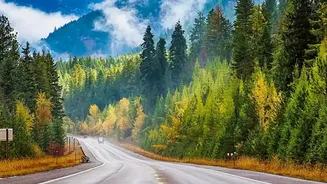
rock, making slopes incredibly vulnerable to collapse. A sudden downpour or even just the force of gravity on an over-saturated slope can trigger a landslide with little warning. Human activity, such as road cutting and deforestation, has further destabilised many of these fragile slopes, increasing the risk. Areas in Kerala, Karnataka, and Maharashtra are particularly known for this hazard.
Your Pre-Trip Safety Checklist
A safe journey begins long before you turn the key. Proper preparation is your first and best line of defence. Before heading into the ghats, run through this checklist: Vehicle Health is Paramount: Get your car thoroughly checked. Pay special attention to tyres, ensuring they have deep treads for good grip on potentially slippery or gravelly roads. Your braking system, lights, wipers, and horn must be in perfect working order, as visibility can change rapidly with fog or sudden showers. Plan and Check Your Route: Before you leave, check for the latest weather forecasts and traffic advisories. Local authorities often close ghat sections that are deemed unsafe after heavy rains. Have an alternative route in mind. Fuel Up: Fill your fuel tank completely before entering the ghat sections, as petrol pumps can be few and far between on these remote roads. Inform Someone: Let a friend or family member know your intended route and your estimated time of arrival. This is a simple but crucial safety step.
Mastering Safe Ghat Driving Techniques
Driving on hilly terrain requires a different approach than on city roads or highways. Patience and smoothness are key. Maintain a Low Gear: When climbing steep inclines or descending, use a lower gear (second or third). On descents, this allows for 'engine braking', which prevents your brakes from overheating and failing. Never coast downhill in neutral. Avoid Sudden Manoeuvres: Sudden acceleration or hard braking can cause you to lose traction, especially on wet patches or hairpin bends. Keep your driving smooth and steady. Honk at Blind Curves: Always honk at sharp, blind turns to alert any oncoming traffic of your presence. It's a standard and expected practice in the ghats. Overtake with Extreme Caution: Never overtake on a blind curve, a narrow stretch, or a hairpin bend. Wait for a clear, straight section of road, and only proceed if the driver ahead signals for you to pass.
Recognising Early Warning Signs
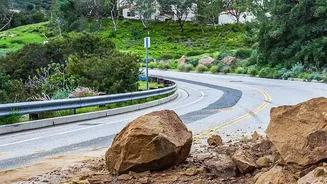
An aware driver is a safe driver. Be vigilant and watch the landscape for signs of instability. These can include new cracks appearing on the road surface, leaning trees or electricity poles, soil or small rocks trickling down a slope, or unusual sounds like rumbling or cracking trees. If you spot any of these warning signs, do not proceed. Turn back and find a safer route, and report what you saw to local authorities if possible.
Your Essential In-Car Emergency Kit
Being prepared for the unexpected can make a massive difference if you get stranded. Your emergency kit should contain: First-Aid Supplies: A well-stocked first-aid kit is non-negotiable. Food and Water: Carry non-perishable snacks like energy bars and sufficient bottled water. Light and Power: A powerful torch with extra batteries and a fully charged power bank for your phone. Basic Tools: A tyre inflator kit, jumper cables, and a tow rope can be lifesavers for minor mechanical issues. * Other Essentials: A multi-tool, duct tape, work gloves, and a blanket for warmth.
What to Do If You're Caught Near a Landslide
If you encounter a fresh landslide or get stuck in mud, your first instinct should be safety. Do not attempt to drive through flowing debris. If your car gets stuck in mud, avoid spinning your wheels, as this will only dig you in deeper. Try to clear mud from around the tyres and place your car's floor mats or branches under the drive wheels to gain traction. If you are trapped between slides or in a dangerous position, it may be safer to abandon the vehicle and move to higher, more stable ground on foot, but only if you can do so safely. Your personal safety is more important than the vehicle.