




A New Era for Overnight Journeys
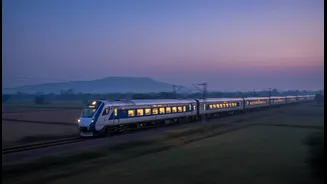
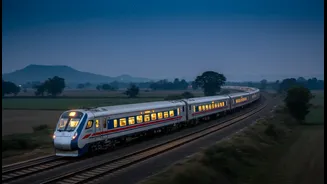
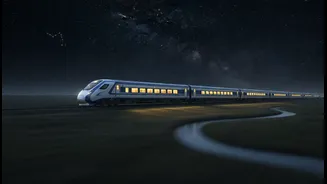
Indian Railways is set to expand its next-generation fleet with the introduction of its second Vande Bharat sleeper train. Prime Minister Narendra Modi is slated to virtually inaugurate the 'Sant Ravidas Express' on July 17, 2026. This new service will
connect Varanasi in Uttar Pradesh with Chheharta, near Amritsar, in Punjab, marking a significant step in modernizing long-distance, overnight rail travel in India. Unlike the chair-car versions that focus on shorter, daytime routes, the Vande Bharat sleeper is engineered specifically for journeys spanning 800 to 1,200 kilometres. The first sleeper service was launched in January 2026 between Howrah and Kamakhya. This second train signifies a growing network aimed at replacing older premium trains on key routes.
What Makes the Coaches Modern?
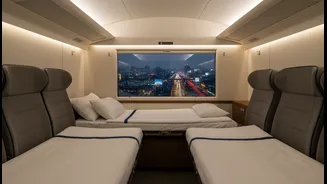
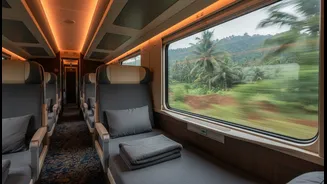
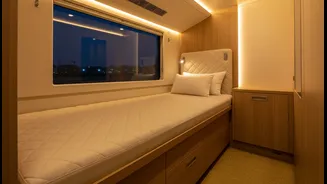
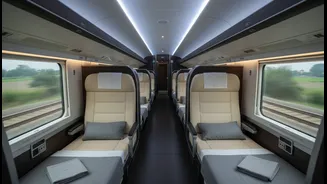
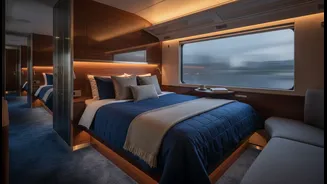
The leap from traditional sleeper coaches to the Vande Bharat version is significant. These new trains are designed to provide a superior passenger experience with a focus on comfort and aesthetics. The interiors feature ergonomically designed berths with improved cushioning, easier-to-use ladders for upper berths, and sensor-based soft lighting. For enhanced ride quality, the trainsets have advanced suspension and couplers to minimize jerks and noise. Fully sealed gangways prevent dust from entering the coaches, ensuring a cleaner environment. The toilets are larger and more modern, with features like sensor-based taps and bio-vacuum systems. Safety has also been upgraded with advanced fire detection systems, CCTV cameras, and the Kavach anti-collision system.
Faster Connectivity on Key Routes
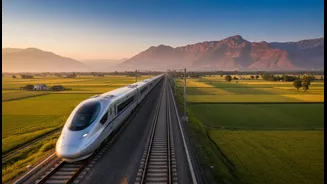
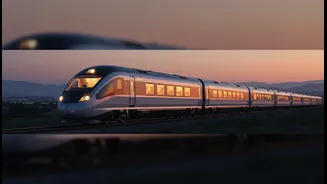
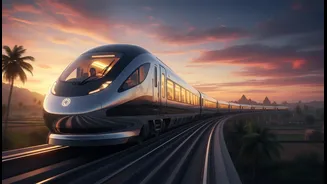
A defining feature of the Vande Bharat platform is its speed. The sleeper version is designed for a top speed of 180 kmph, though it will operate at a maximum of 160 kmph on current tracks, similar to the fastest stretches used by Gatimaan Express. Unlike locomotive-hauled trains like the Rajdhani, Vande Bharat trains are self-propelled trainsets. This allows for much faster acceleration and deceleration, reducing overall journey time and minimizing turnaround time at terminal stations. The new Varanasi-Chheharta service, for instance, will improve connectivity on a crucial corridor linking eastern Uttar Pradesh with Punjab. The train will run three times a week in each direction, with major stops including Lucknow, Moradabad, Ambala Cantt, and Jalandhar City, connecting several important commercial and religious hubs.
Vande Bharat Sleeper vs. Rajdhani
For decades, the Rajdhani Express has been the gold standard for premium overnight travel in India. The Vande Bharat sleeper is poised to become the new benchmark. While Rajdhani trains can reach speeds of up to 140 kmph on select routes, the Vande Bharat sleeper's superior acceleration gives it a consistent edge in reducing travel time. The passenger amenities are a clear upgrade, moving beyond functionality to offer a more hotel-like experience with better berths, ambient lighting, and modern sanitation. Furthermore, Vande Bharat trains are built with enhanced safety standards, including better crashworthiness and fire safety compliance. While fares are expected to be marginally higher than Rajdhani trains, the improved comfort, speed, and safety features present a compelling new option for long-distance travellers.