





Why This Simple Pruning Step Matters
When you see a lush plant at the nursery, your first instinct is to grab it. But a quick inspection can reveal a plant that is wasting energy on unproductive growth. Weak, spindly stems or branches that cross and rub against each other are not just unsightly;
they are resource drains. Removing them allows the plant to redirect its energy towards developing strong roots, healthy foliage, and more abundant flowers or fruit. This initial pruning sets the plant up for a vigorous life, improves its overall structure, and increases air circulation, which helps prevent fungal diseases. Think of it as a crucial first step in training your plant for long-term health and beauty.
Identifying the Problem Stems
So, what exactly are you looking for? First, identify weak stems. These often look thin, pale, and 'leggy,' with large gaps between the leaves. This can be a sign the plant wasn't getting enough light. They may be growing inward toward the center of the plant instead of outward toward the sun. Second, look for crossing stems. These are branches that grow into each other, rubbing and creating wounds. These damaged areas can become entry points for pests and diseases. You should also look for any stems that are dead, damaged, or discolored. A healthy plant should have firm, strong stems and vibrant, evenly colored leaves.
A Quick Guide to Your First Pruning
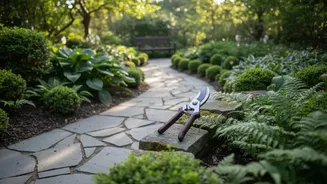
While you shouldn't start pruning in the nursery aisle, selecting a plant with minimal issues is key. Once you get your new plant home, this should be one of your first tasks. You will need a clean, sharp pair of pruning shears or scissors. For weak or spindly stems, trace them back to a main branch or to a point just above a healthy leaf node (where a leaf joins the stem) and make a clean cut. For crossing stems, decide which of the two is stronger and better placed, and remove the other one completely. Always make your cuts at a slight angle. This simple 'haircut' stimulates the plant to push out new, healthier growth.
A Plant Health Checklist Before You Buy
Beyond checking the stems, a few other quick checks at the nursery can save you from future trouble. First, gently inspect the leaves, both on top and underneath. Avoid plants with yellowing leaves, brown spots, holes, or any visible insects. Second, look at the roots. If possible, carefully slide the plant out of its pot. A mass of circling roots means the plant is 'pot-bound' and may struggle after transplanting. Healthy roots should be firm and white or light-colored, not dark and mushy. Finally, check the soil surface for any signs of pests or weeds. Choosing a plant that is healthy from the roots up gives you the best chance of success.
Setting Up for Success in Indian Gardens
This practice is especially useful for popular Indian garden plants like Hibiscus, Bougainvillea, Roses, or Jasmine, which respond very well to pruning. Given that many urban gardeners in India use pots and containers on balconies and terraces, ensuring a plant has a good structure from the beginning is vital for managing its size and shape. Starting with a strong framework prevents the plant from becoming overgrown and difficult to manage in a limited space. This initial cleanup, combined with selecting plants suited to your local climate—whether it's the humidity of Mumbai or the dry heat of Delhi—is a foundational step for any thriving garden, big or small.