



More Than Skin Deep: The Ayurvedic View of Beauty
For thousands of years, Ayurveda has approached beauty from a holistic perspective. Originating in India over 5,000 years ago, this 'science of life' views radiance as an outer manifestation of inner balance. According to Ayurvedic philosophy, true beauty consists
of three pillars: 'Roopam' (outer beauty), 'Gunam' (inner beauty, or the radiance of a warm personality), and 'Vayastyag' (lasting beauty that defies age). This system is built on balancing three fundamental energies, or 'doshas'—Vata, Pitta, and Kapha—which are believed to govern our physical and mental states. Skin issues are seen as signs of an internal imbalance, making skincare a practice of restoring harmony to the entire self, not just treating a surface-level problem.
Rituals of the Royal Courts
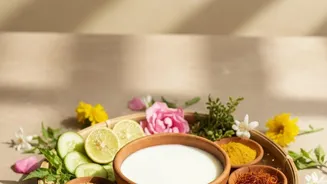
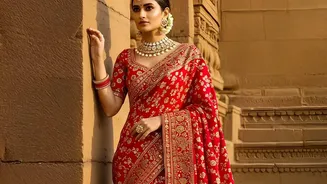
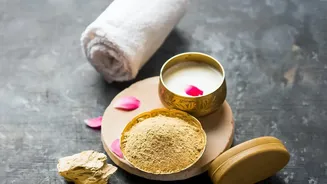
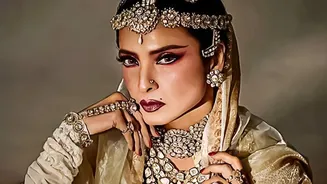
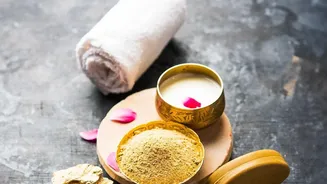
In ancient and medieval India, royal households didn't just use beauty products; they followed intricate rituals designed to purify, nourish, and adorn. These practices were woven into daily life ('Dinacharya') and adapted to the seasons ('Ritucharya'). The aim was not only to look attractive but also to achieve longevity and health. Two central rituals were 'Ubtan' and 'Abhyanga'. Ubtan, a paste made from ingredients like gram flour, turmeric, sandalwood, and rose water, was used as a gentle cleanser and exfoliant long before modern scrubs existed. It remains a key part of pre-wedding ceremonies today, meant to give brides and grooms a radiant glow. 'Abhyanga', or self-massage with warm, herb-infused oil, was another daily practice to nourish the skin, improve circulation, and calm the mind.
The Royal Apothecary: Nature's Most Luxurious Ingredients
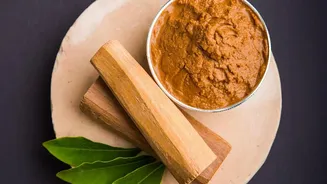
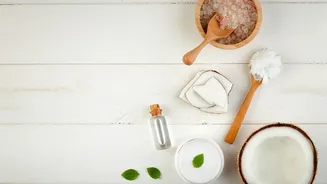
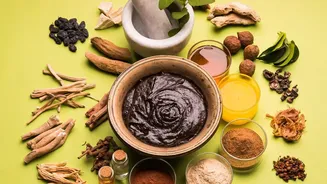
The beauty chests of Indian queens were filled with potent botanicals. Saffron, or 'Kesar', was a prized ingredient, known for its ability to brighten skin and even out complexion. Turmeric ('Haldi') was an indispensable antiseptic and anti-inflammatory agent, used in masks and 'ubtans' to purify the skin and impart a golden glow. Sandalwood ('Chandan') was valued for its cooling properties, soothing irritation and blemishes. Oils were the foundation of many treatments, from coconut and sesame oil used in massage to luxurious blends like 'Kumkumadi Tailam'—a fabled concoction of saffron, sandalwood, and other herbs for a flawless complexion. Rosewater, popularised by Mughal empress Noorjehan, served as a hydrating toner and fragrant mist.
Hair Care Fit for a Queen
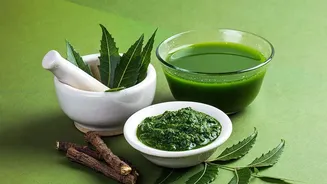
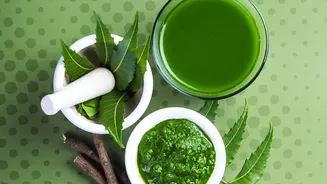
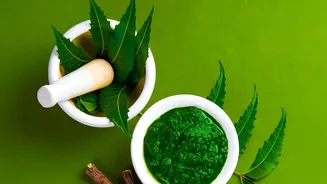
Ayurvedic hair care was equally elaborate. The tradition of oiling the hair and scalp is an ancient practice designed to nourish roots, strengthen strands, and promote growth. Potent herbs like Amla (Indian gooseberry), Bhringraj, and Neem were infused into oils like coconut or sesame to create powerful hair elixirs. After oiling, hair would be washed with herbal preparations. In some royal traditions, like those of the Princess of Travancore, hair was even perfumed by spreading it over smouldering coal containing fragrant herbs like camphor to lock in moisture and leave a lingering scent.
From Ancient Palaces to Modern Routines
Today, this ancient wisdom is experiencing a global renaissance. The principles of clean beauty, personalisation, and holistic wellness align perfectly with Ayurvedic traditions. Modern beauty brands are now looking to these royal rituals, blending traditional ingredients like turmeric, saffron, and ashwagandha into scientifically formulated serums, oils, and cleansers. This new wave of 'A-beauty' combines the efficacy of ancient botanicals with the convenience of modern formulations, proving that these royal secrets are not just relics of the past but timeless blueprints for healthy, radiant skin. The focus remains the same: beauty that starts from within and reflects a state of true balance.