




What Is a Protein Chaat Bowl?
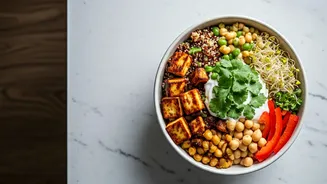
At its heart, the protein chaat bowl is a deconstructed, healthier version of traditional chaat. It swaps out the usual suspects—fried papdi, aloo tikkis, and carb-heavy potatoes—for a nutrient-dense base. Think sprouted moong dal, black chickpeas (kala
chana), boiled sweet potatoes, or a mix of all three. This foundation is then loaded with high-protein ingredients like grilled paneer cubes, tofu, boiled eggs, or even shredded chicken. The goal is simple: retain the soul of chaat while upgrading its nutritional profile. The result is a colourful, satisfying bowl that delivers on flavour without the excess calories, unhealthy fats, and refined carbohydrates associated with the original.
The Rise of Guilt-Free Indulgence
For years, fitness-conscious Indians faced a frustrating choice: stick to a bland diet of boiled chicken and broccoli, or give in to cravings for flavourful desi food and deal with the guilt later. The protein chaat bowl trend emerges from the desire to bridge this gap. It's a response to a growing wellness movement that no longer sees health and taste as mutually exclusive. Millennials and Gen Z, in particular, are driving this change. They are digitally savvy, health-aware, and looking for sustainable lifestyle changes, not restrictive diets. This 'hack' allows them to enjoy the nostalgic flavours of their childhood in a way that aligns with their fitness goals, making it the perfect post-workout meal or a light, satisfying dinner.
From Street Corner to Gym Bag
The trend didn't just appear overnight. It began in the kitchens of fitness enthusiasts and influencers who shared their healthy 'jugaad' on Instagram and YouTube. They demonstrated how simple swaps could transform a high-calorie snack into a powerhouse of nutrition. Soon, health cafes in metropolitan cities like Mumbai, Delhi, and Bengaluru caught on, adding 'Protein Bhel' and 'Sprout Chaat Bowls' to their menus. Now, it's a common sight to see gym-goers snacking on a box of homemade protein chaat post-workout. It’s a testament to the power of social media in shaping modern food culture, turning a simple home experiment into a nationwide phenomenon that perfectly marries India’s rich culinary heritage with contemporary wellness ideals.
The Anatomy of a Healthy Chaat
So, what makes these bowls so special? It's all about smart substitutions. The crunch, traditionally from fried sev or papdi, now comes from roasted peanuts, makhanas (fox nuts), or seeds like pumpkin and sunflower. The creaminess is provided by whisked Greek yogurt or hung curd instead of sweetened dahi. For flavour, the reliance on sugary tamarind chutney is reduced, with the focus shifting to zesty mint-coriander chutney, a generous squeeze of lemon, and a sprinkle of classic chaat masala. Freshly chopped onions, tomatoes, cucumber, and a garnish of pomegranate seeds not only add texture and colour but also boost the bowl's vitamin and fibre content. It’s a masterclass in food reinvention, proving that healthy eating can be exciting and deeply satisfying.