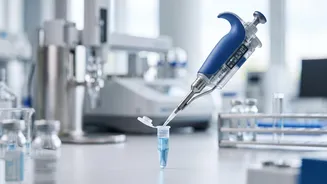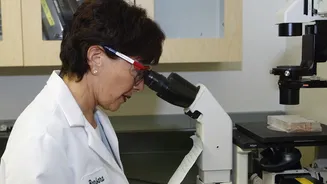








The idea of a vaccine that trains your body to fight cancer is a monumental goal in medicine. Hyderabad-based PopVax is at this frontier, but its personalised vaccines remain in development, highlighting the long road from lab to clinic.
The Promise of a Personal Cure
A personalised
cancer vaccine is not like a flu shot that prevents illness. Instead, it's a therapeutic treatment for people who already have cancer. The process begins by taking a sample of a patient's tumour and sequencing its unique genetic code. Scientists use this data to identify specific mutations, known as neoantigens, that are present on cancer cells but not on healthy cells. An mRNA vaccine is then created to teach the patient's own immune system to recognise these neoantigens as foreign invaders. In essence, it's like creating a custom 'wanted poster' for the immune system, telling it exactly which cells to find and destroy, thereby minimising damage to healthy tissue.
Hyderabad's PopVax Enters the Fray
Hyderabad-based biotechnology startup PopVax is one of the companies working on this cutting-edge technology. Using artificial intelligence and machine learning, PopVax aims to design and produce personalised cancer vaccines based on individual tumour genetics. In October 2026, the company launched its 'RNA Foundry' in Hyderabad, an advanced facility for the research, development, and manufacturing of these personalised medicines. The goal is to dramatically shorten the time it takes to create a patient-specific vaccine, with a proposed timeline of eight to ten weeks from tumour sequencing to a finished product. This local initiative places India on the map of a highly advanced and hopeful area of global medical research.
The 'Unproven' Hurdle
Despite the immense promise, the headline's core message is crucial: clinical effectiveness is still unproven. This is the single biggest challenge. Proving a traditional drug works involves large-scale clinical trials where thousands of patients receive the same standardised medicine. This is impossible for a treatment that is, by definition, unique to each person. Each personalised vaccine is a new drug, making it difficult to gather the broad data regulators need for approval. Scientists must prove not only that the vaccine is safe but that it consistently leads to better outcomes for patients, a process that takes years of meticulous study and validation.
Development, Not Deployment
It is critical for patients and families to understand that these treatments are experimental. As of late 2026, PopVax's cancer vaccine candidates have not yet been administered to patients. The company plans to begin by offering them through compassionate-use and named-patient pathways for a small number of patients outside India, subject to regulatory approvals. This is not the same as a routine hospital treatment. Other companies like Moderna and BioNTech are further along, with some personalised vaccines in late-stage trials for cancers like melanoma, but even these are not yet standard care. The journey from development to widespread availability is long and requires clearing many scientific and regulatory hurdles.
Cautious Hope for the Future
The development of personalised cancer vaccines represents a paradigm shift in oncology, moving away from one-size fits all approaches. The work being done by companies like PopVax in India is a significant step toward bringing these next generation therapies closer to home. However, the path forward requires patience. The high cost, manufacturing complexity, and challenge of proving efficacy are significant barriers that the entire field is working to overcome. While these vaccines hold the potential to one day transform cancer care, the focus for now remains on rigorous research and clinical trials to ensure they are both safe and effective. The hope is real, but the timeline is long.