






A Looming Legacy of Cotton
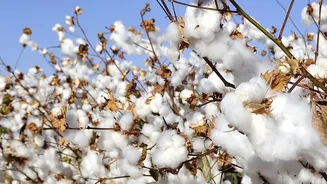
The story of Coimbatore's rise as a textile giant began over a century ago. Its journey was powered by a combination of favourable factors: rich, black soil ideal for cotton cultivation, a moderate climate perfect for spinning yarn, and entrepreneurial
vision. The first mechanised spinning mill, the Coimbatore Spinning and Weaving Mills (also known as Stanes Mill), was established in 1888, marking the dawn of industrialisation in the city. However, it was the arrival of hydroelectric power from the Pykara Falls project in the 1930s that truly ignited a 'cotton boom', leading to a rapid proliferation of mills and cementing its reputation as a textile powerhouse. This industrial boom is why the city earned its moniker, mirroring how Manchester in England became the epicentre of the global cotton trade during the Industrial Revolution.
The Modern Textile Hub
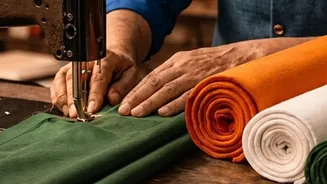
Today, Coimbatore's textile industry is a sprawling ecosystem of over 25,000 units, ranging from large-scale mills to small, family-run power looms. The city's influence extends across the entire textile value chain. It's not just about spinning yarn; Coimbatore is a major producer of textile machinery, knitted garments, and finished fabrics. The Southern India Mills’ Association (SIMA), headquartered here since 1933, is one of the most powerful industry bodies in the country, shaping policy and driving innovation for the entire South Indian textile sector. This industrial might makes Coimbatore a critical node in regional and international trade. Textiles, along with engineering goods and auto components, are major exports, connecting the city to global markets in the Middle East, Europe, and Asia.
Weaving History into Your Visit
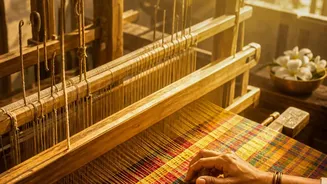
For a traveller, this industrial heritage is not confined to factory gates. It's a living history that can be seen, touched, and even worn. The best place to start is the Kasthuri Sreenivasan Art Gallery and Textile Museum. It offers a fascinating journey through the evolution of textile technology, featuring displays of ancient spinning wheels, handlooms, and a history of costumes. Another must-do is a deep dive into the city's bustling markets. Oppanakara Street, the commercial heart of Coimbatore, is a vibrant spectacle of textile commerce. Here, multi-storey showrooms and traditional shops are packed with everything from cotton fabrics to exquisite silk sarees, offering a tangible connection to the city’s primary trade.
Shopping for a Piece of Heritage
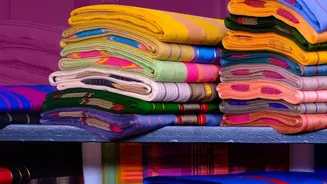
When shopping, look for the unique Kovai Kora cotton saree. A beautiful blend of silk and cotton, this fabric was granted a Geographical Indication (GI) tag in 2014, recognising its unique origin and quality. These sarees are known for their light weight and intricate border designs, woven by traditional artisan families in and around Coimbatore. Exploring the wholesale and retail shops on Oppanakara Street or the nearby Big Bazaar Street provides a glimpse into the sheer volume and variety that defines the city's trade. It's an experience that goes beyond mere shopping; it's an immersion into the very industry that built modern Coimbatore.
Beyond Textiles: A Modern Trade Hub
The cotton industry was the engine that powered Coimbatore's growth, but it also laid the tracks for economic diversification. The engineering workshops that were initially set up to service textile machinery evolved into a massive industry in their own right. Today, Coimbatore is famously known as the 'Pump City', supplying over half of India's requirements for motors and pumps. Its strategic location, serving as a gateway between Tamil Nadu and Kerala, combined with excellent air, rail, and road connectivity, has solidified its status as a major commercial and logistical hub. The entrepreneurial spirit first kindled in the cotton fields now fuels sectors from information technology to jewellery manufacturing.