




The Old Advice and Its Limits
For years, the go-to advice for small-space living has been predictable: opt for furniture with a smaller footprint, paint your walls white, and shove everything else into plastic bins under the bed. While well-intentioned, this approach often creates
more problems than it solves. A room full of tiny, separate furniture items can feel chaotic and lack a focal point. Meanwhile, simply hiding clutter doesn't address the core issue of functionality. You end up with a space that doesn't serve your daily needs, forcing you to constantly navigate around obstacles or dig through poorly organised boxes. This piecemeal strategy treats furniture and storage as two separate enemies to be conquered, rather than two partners with the potential to work in harmony.
A New Mindset: The Integrated System
The real solution lies in a fundamental shift in perspective. Stop thinking about buying a sofa, a coffee table, and a bookshelf as separate acts. Instead, start thinking of your home's furnishings as a single, integrated system designed for your specific life. The most effective small spaces are not filled with a collection of individual items, but are orchestrated with pieces that work together. This means every significant item should be chosen for what it offers both in function and form, and how it connects to the pieces around it. The goal is to create a cohesive environment where storage is seamlessly built into the fabric of your living space, not added as an afterthought.
Furniture That Works Harder
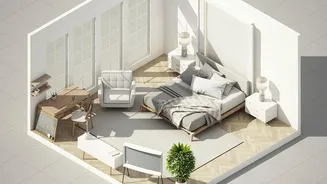
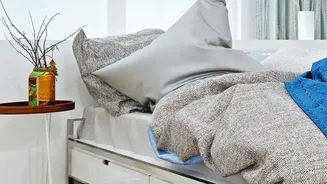
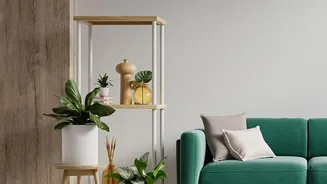
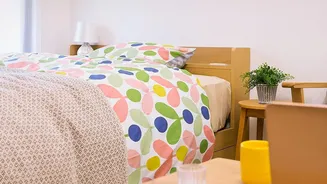
This integrated approach comes to life with multi-functional furniture. These are the workhorses of a modern small home. Think beyond the simple sofa bed. Consider a TV console with deep, hidden drawers that can store everything from electronics to board games, creating a clean, uncluttered look. Invest in a storage bed with a hydraulic lift, providing cavernous space for seasonal clothing, luggage, and extra bedding—items you need but don't use daily. A coffee table might have a top that lifts to become a work-from-home desk, with storage inside for your laptop and papers. Ottomans can hide blankets, and modular shelving units can double as room dividers, defining zones in an open-plan area while offering display and storage space.
Thinking Vertically and Finding Hidden Spaces
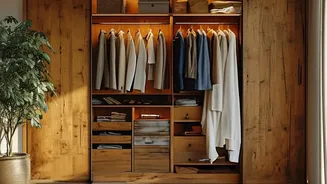
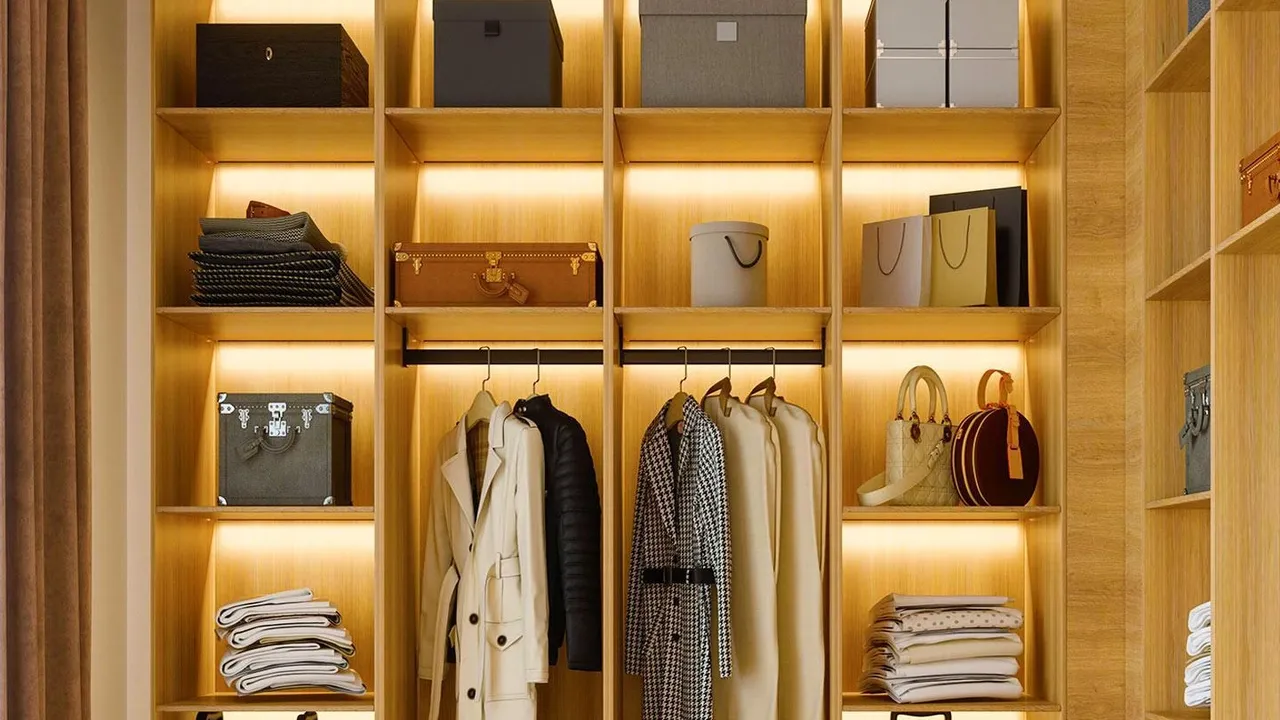
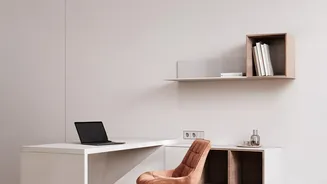
Maximising a small home isn't just about clever furniture; it's about using the entire volume of your space. When floor space is limited, the only way to go is up. High shelves installed close to the ceiling can hold books, decorative boxes, or items you don't need to access frequently, drawing the eye upward and making the room feel taller. Don't overlook the awkward spaces, either. The area under a staircase, the corner behind a door, or a narrow hallway can become prime real estate for custom-built or slim-profile storage. By building in solutions that match your wall colour, you can add immense functionality without creating visual clutter.
The Art of Strategic Editing
No amount of clever storage can solve a problem of simply having too much stuff. An integrated storage system works best when it's designed to hold things you truly need, use, and love. This isn't about stark minimalism, but about conscious curation. Before investing in new furniture, take a ruthless inventory of your possessions. A well-organised space is calming and improves daily functionality because you're not fighting through clutter to live your life. By editing your belongings first, you can plan a storage and furniture system that is perfectly tailored to your reality, ensuring every cabinet, drawer, and shelf has a clear purpose.