
From Sacred Ritual to Cafe Staple
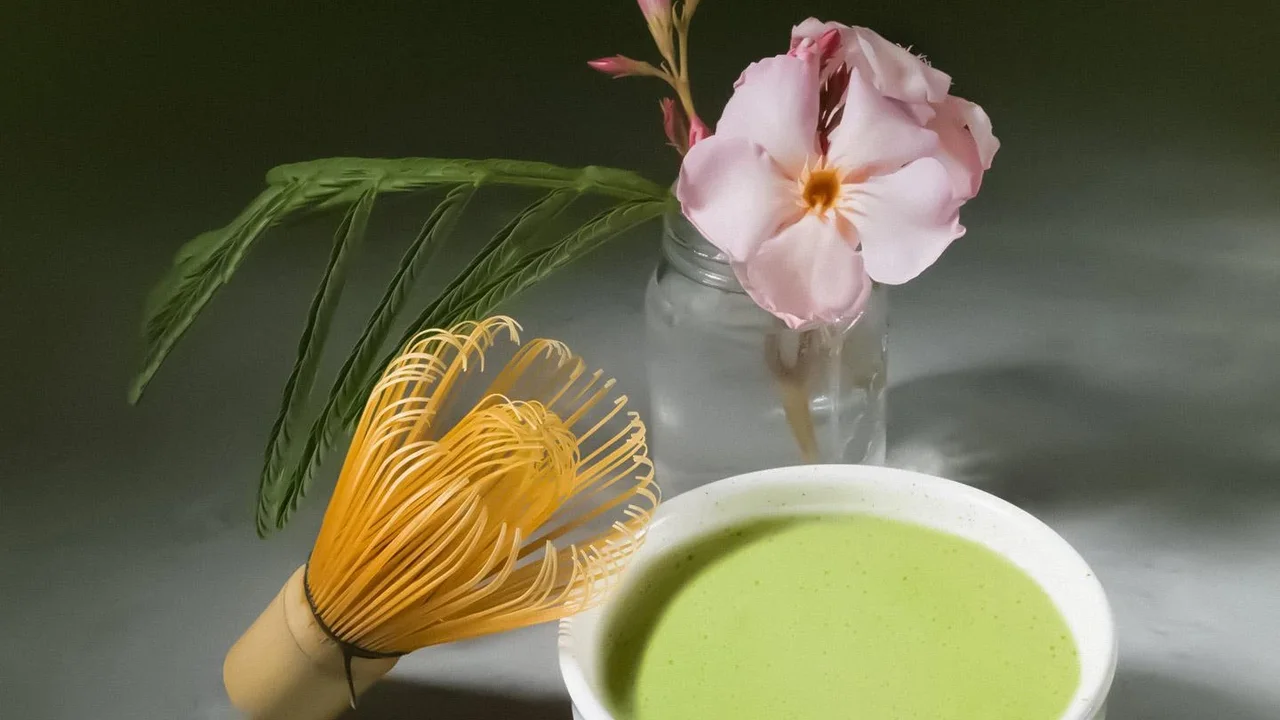
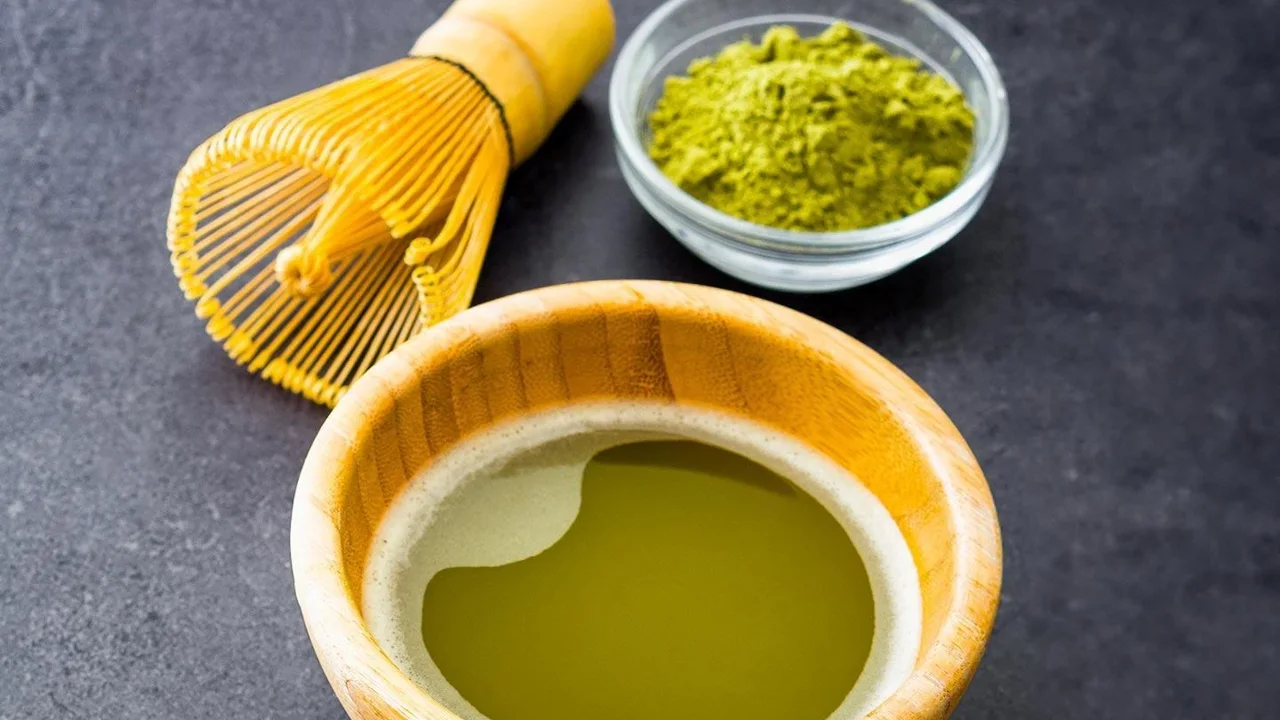
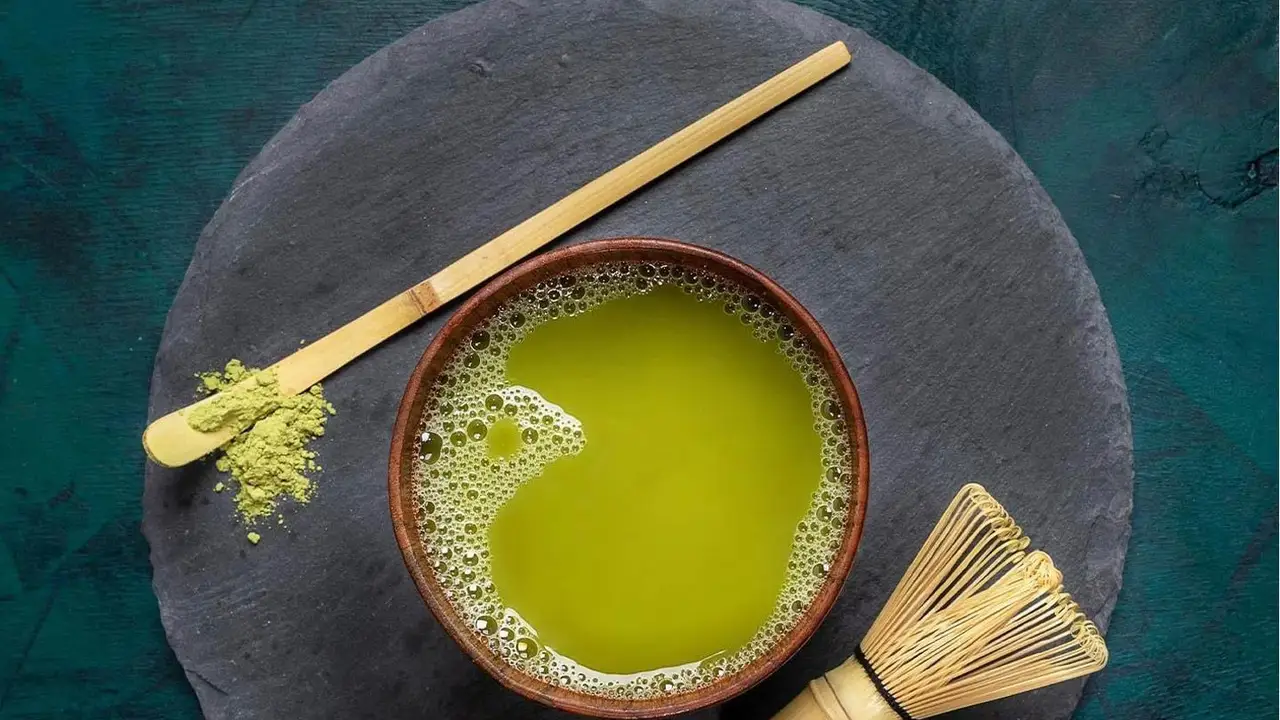
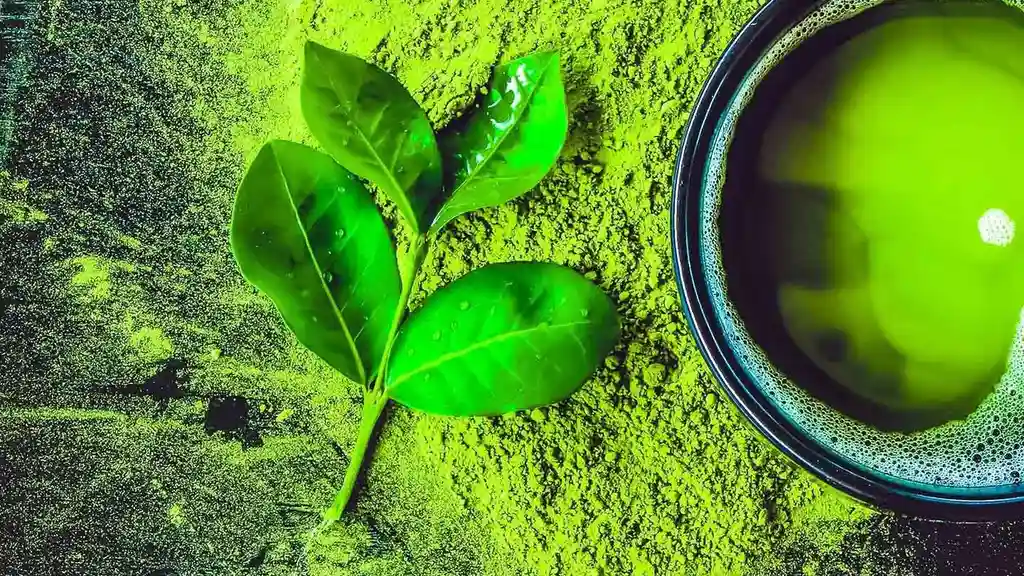
Not long ago, matcha was primarily known for its central role in Japanese tea ceremonies, a ritual steeped in mindfulness and tradition. Its journey to global stardom began when it was adopted by wellness advocates and café culture, transforming it into
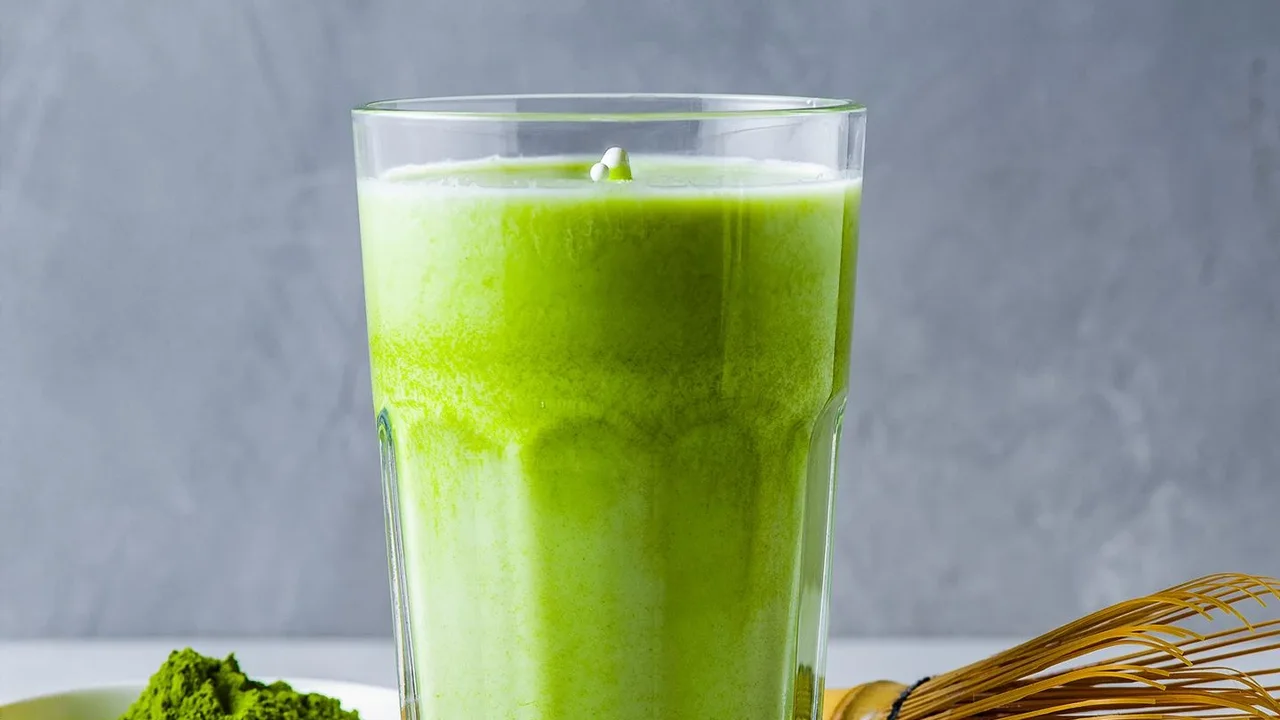
the familiar, photogenic latte we know today. In India, what started as a niche product in premium supermarkets and cafes quickly became a mainstream favourite, with local coffee chains reporting that matcha lattes are now among their top sellers. This widespread acceptance laid the foundation for what was to come next: a full-blown creative explosion.
The Savoury Surprise
Perhaps the most telling sign of matcha's new era is its leap into savoury food. Chefs are now using its distinct umami flavour to add complexity to main courses. Imagine pillowy gnocchi infused with matcha and served with a miso butter sauce, or even a matcha and English pea onigiri (Japanese rice ball). This trend shows a deeper understanding of matcha not just as a flavour, but as a versatile ingredient that can enhance savoury profiles in unexpected ways, moving far beyond its traditional role. Some brands are even developing matcha-based seasonings and sauces for everyday use.
An Indian Twist
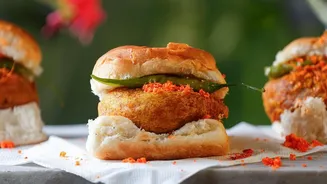
In India, the experimental wave has taken on a distinctly local flavour. Chefs and home cooks are fearlessly blending the Japanese powder with beloved Indian classics. In Bengaluru, one cafe created a matcha aam panna, combining the smoky taste of roasted raw mango with an earthy matcha foam. Elsewhere, the internet has seen creations like matcha rasmalai, matcha coconut ladoos, and even a viral hit from Lucknow called 'Garam Matcha Chai', which infuses the green tea with traditional masala chai spices. There’s even a recipe for a Matcha Gathiya, fusing a classic Gujarati snack with the Japanese tea. While some call it sacrilege, others see it as a playful and delicious fusion of cultures.
Shaken, Stirred, and Sipped
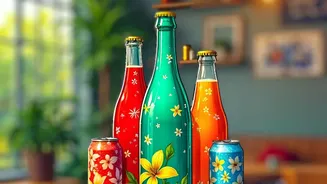
The world of cocktails and mocktails has also fallen for matcha's charm. Its earthy notes balance the sweetness in drinks, while its vibrant colour provides an aesthetic flair. Mixologists are crafting everything from Matcha Mojitos and Gin Fizzes to sophisticated mocktails for the growing 'sober curious' movement. The combination of calm alertness from matcha's L-theanine and caffeine offers a novel experience compared to traditional cocktails, making it a popular choice for social gatherings. In Asia specifically, matcha-based mocktails are leading the non-alcoholic beverage trend.
Why Is This Happening Now?
Several factors are driving this experimental phase. Firstly, social media's visual nature rewards matcha's brilliant green hue, encouraging constant innovation. Secondly, there's a growing consumer desire for 'functional foods'—products that offer health benefits like sustained energy and antioxidants without sacrificing flavour. Finally, as our palates become more global, there's an increasing appetite for flavour fusion, combining familiar tastes with something new and exciting. Matcha sits perfectly at the intersection of wellness, visual appeal, and culinary versatility, making it the ideal ingredient for our times.