


The End of the White Wall Era
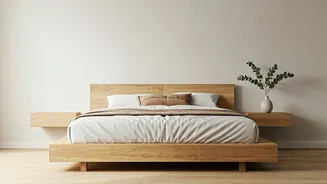
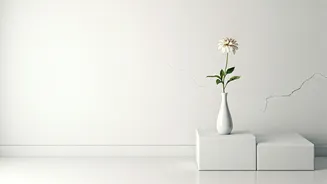
Let’s be honest: the all-white aesthetic had a great run. It was the unofficial uniform of modern sophistication for the better part of a decade. Popularised by Scandinavian design principles and amplified by Instagram influencers, the crisp, gallery-like
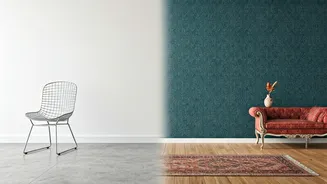
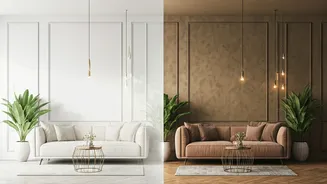
look promised a clean slate. White walls, white furniture, and white countertops created a sense of spaciousness and order. It was a safe, photogenic choice that felt uncluttered and aspirational. In a chaotic world, the sterile white room was a visual deep breath—a minimalist sanctuary that looked impeccably tidy, even when life was not. But as with any long-reigning trend, its dominance has begun to feel less like a choice and more like a default setting, paving the way for a dramatic and colourful rebellion.
Why We're Craving Comfort and Colour
So, what caused this collective shift? In a word: life. The pandemic years, which forced us to spend unprecedented time within our own four walls, were a major catalyst. We began to see our homes not just as places to sleep, but as offices, schools, gyms, and sanctuaries. The stark, museum-like quality of an all-white space started to feel less calming and more clinical. There's a growing psychological need for our homes to feel nurturing, warm, and restorative. Designers call the new wave “dopamine decor”—the practice of using colour, pattern, and objects to create a space that actively brings you joy. It's a move away from designing for a hypothetical guest or an Instagram photo and towards designing for yourself and your own well-being.
Meet the 'New Neutrals'
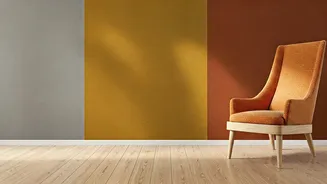
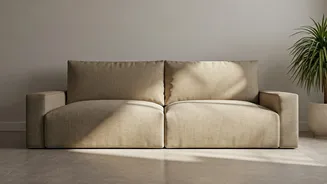
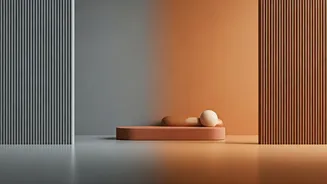
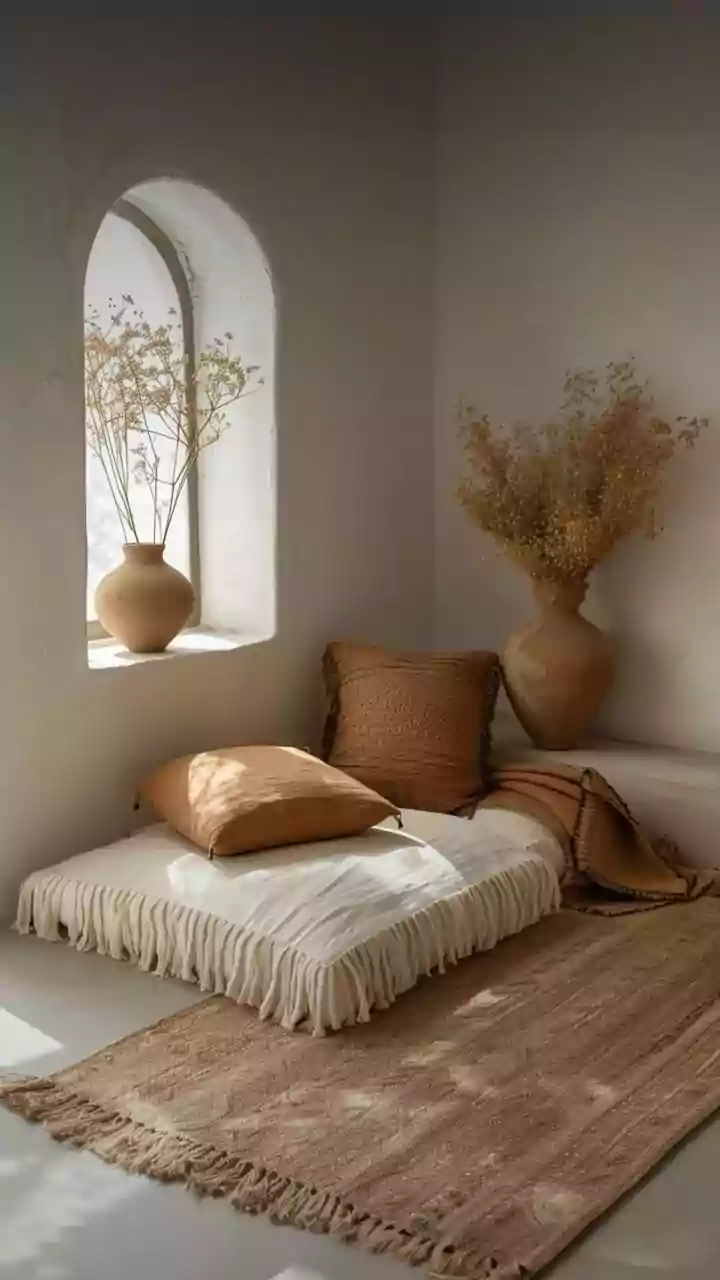
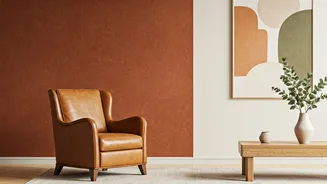
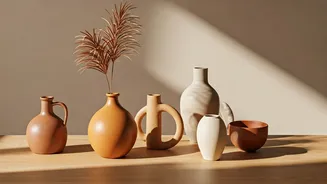
The departure from sterile white doesn’t mean we’re all suddenly painting our living rooms neon pink (though you certainly can!). Instead, it marks the triumphant return of sophisticated, earthy tones. The “new neutrals” are colours with depth and warmth. Think creamy off-whites, rich beiges, mushroom taupes, soft terracottas, and muted greens like sage and olive. These shades serve the same purpose as white—providing a versatile and calming backdrop—but they do so with a gentle, organic character. They connect our interiors to the natural world, making them feel grounded and serene. These colours pair beautifully with natural materials like wood, stone, and linen, creating a layered and inviting atmosphere that pure white often struggles to achieve.
The Age of Personality and Texture
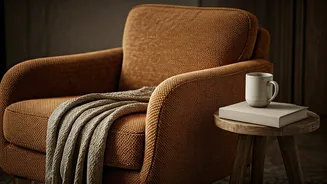
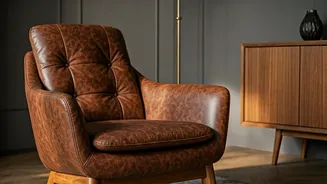
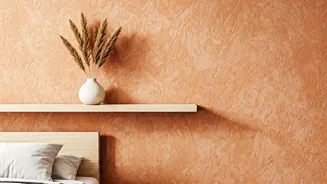
Beyond colour, the biggest trend replacing the all-white look is the celebration of personality. The future of interior design is personal, eclectic, and unapologetically you. This means embracing texture to add visual interest and tactile comfort. We’re seeing a surge in bouclé fabrics, fluted wood panels, limewash or plaster walls, and plush, high-pile rugs. It’s also about curating a space that tells your story. Forget generic wall art; it’s time to display meaningful objects, family heirlooms, and vintage finds that have a past. The goal is to create a layered home that feels collected over time, not installed in a weekend. This perfectly imperfect approach values authenticity over flawlessness, making a space feel lived-in and loved.
How to Evolve Without a Full Renovation
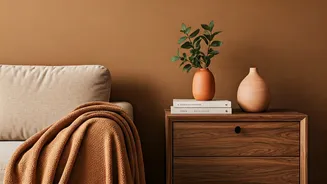
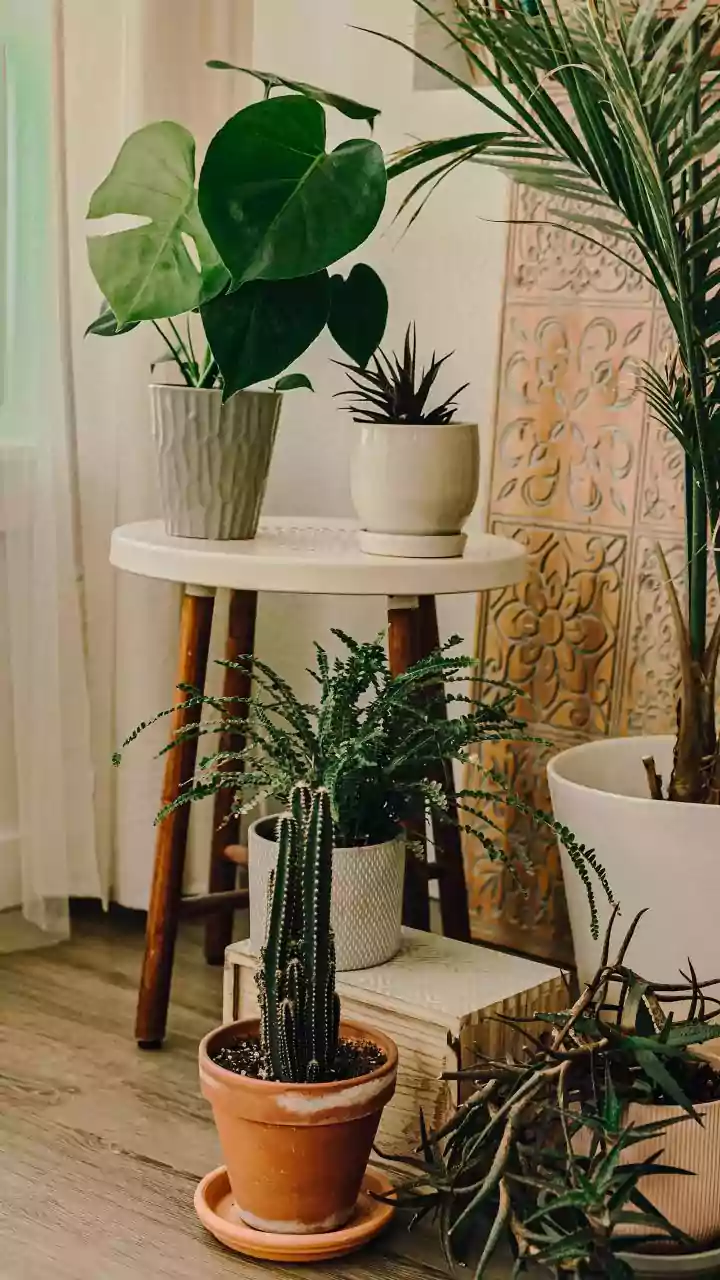
Feeling inspired but intimidated by the idea of a complete overhaul? Don’t be. Transitioning away from an all-white scheme can be a gradual and enjoyable process. Start small. Introduce colour and texture through textiles—think velvet cushions, a patterned throw blanket, or a vibrant area rug. A single accent wall painted in a warm, earthy tone can dramatically change the feel of a room without a huge commitment. Swap out a sterile light fixture for something with more character, or bring in plants to add life and a splash of natural green. The key is to see your existing white decor not as a mistake to be corrected, but as a blank canvas you can now start layering with personality.