


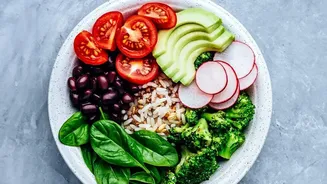
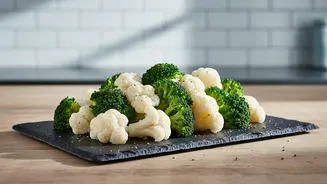
The Cruciferous Powerhouse
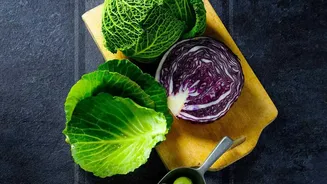
Broccoli, cauliflower, kale, cabbage, and Brussels sprouts belong to the celebrated cruciferous family. Their claim to fame comes from a unique set of compounds called glucosinolates. When we chop, chew, or digest these vegetables, an enzyme called myrosinase
gets to work, converting glucosinolates into highly beneficial compounds, most notably one called sulforaphane. This potent antioxidant is the subject of extensive research for its health-promoting properties. The challenge, however, is that this entire process is incredibly sensitive to how we prepare our food, especially to heat.
The Problem with High Heat and Water
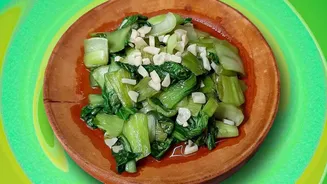
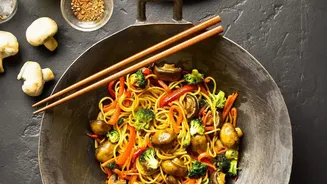
Intense cooking methods can be the enemy of delicate nutrients. Boiling, for instance, causes water-soluble vitamins like Vitamin C and B vitamins to leach out of the vegetables and into the cooking water, which is often poured down the drain. Studies show that boiling can result in a loss of over 50% of these vital nutrients. Frying and stir-frying present a different problem. The high temperatures required for these methods can degrade the very compounds we want to consume. Research has shown that stir-frying can lead to substantial losses of glucosinolates—in some cases, as much as 84% compared to their raw counterparts.
Why Gentle Steaming Is the Champion
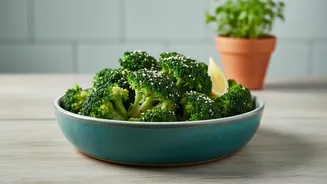
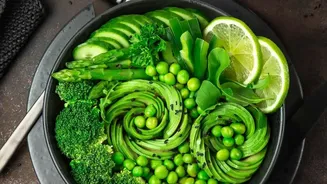
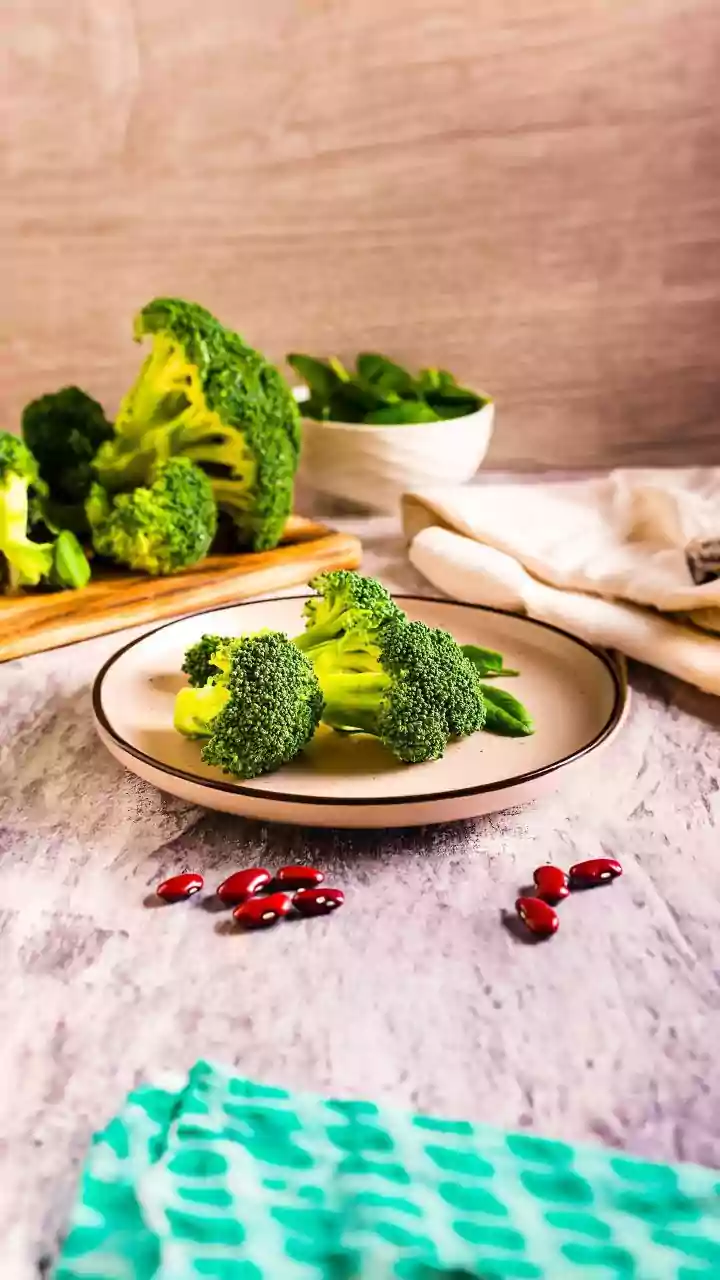
Steaming stands out as the superior method for preserving the nutritional integrity of cruciferous vegetables. Because the vegetables are not submerged in water, fewer water-soluble vitamins are lost. More importantly, the gentle, indirect heat of steaming is less destructive to heat-sensitive compounds. Studies consistently show that steaming retains the highest levels of glucosinolates when compared to boiling, microwaving, and frying. A light steam for just a few minutes—until the vegetables are tender-crisp—is the sweet spot. This method helps preserve not only the nutrients but also the vibrant color and satisfying crunch of the vegetables.
The Sulforaphane Secret: Timing Is Everything
The key to maximizing sulforaphane lies in protecting the myrosinase enzyme. This enzyme is easily destroyed by heat, which is why boiling or microwaving broccoli for even a minute can halt sulforaphane production. Gentle steaming for under five minutes, however, has been shown to keep the enzyme active. Some studies even suggest that light steaming can increase the bioavailability of sulforaphane. But here is a game-changing hack: if you chop your cruciferous vegetables and let them rest for about 40 minutes before cooking, the chemical reaction has time to occur. This forms the sulforaphane before the heat has a chance to deactivate the enzyme, allowing you to cook the vegetables while preserving their star compound.
More Cruciferous Cooking Hacks
If you're short on time and can't use the 'hack and hold' method, there's another trick. After you've cooked your cruciferous vegetables (even if they're boiled or overcooked), you can sprinkle on a little mustard powder. Mustard is also a cruciferous plant, and its powder contains a heat-stable form of the myrosinase enzyme. This can effectively kickstart the sulforaphane production that was inhibited during cooking. For steaming itself, ensure your steamer basket isn't overcrowded to allow the steam to circulate evenly. Cook until the vegetables are bright and can be easily pierced with a fork but still have a bite. Add your seasonings, like a drizzle of olive oil, lemon juice, or herbs, after cooking, not before.