



The Rise of Complex Flavours
Step aside, monotone tastes. According to culinary experts and trend forecasters, 2026 is the year of flavour maximalism. Diners and home cooks are moving away from singular sensations and embracing layered, multi-sensory experiences. The Godrej Food
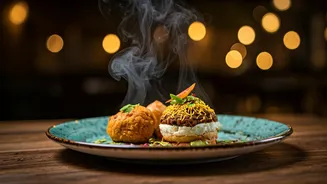
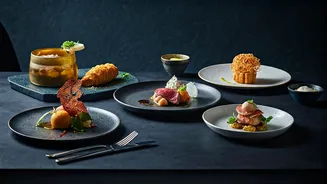
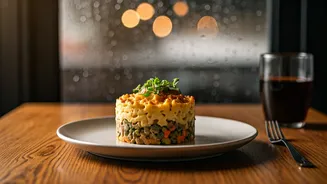
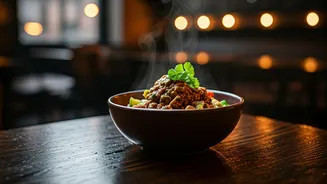
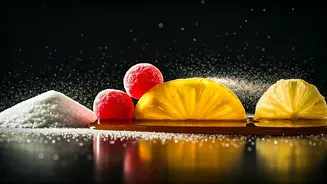
Trends Report 2026 highlights that bold, piquant, and ‘chatpata’ flavours are set to dominate the Indian palate. This shift is part of a global movement toward what are being called “flavour mashups,” where contrasting tastes like sweet and spicy (‘swicy’) or sweet and sour are intentionally combined to create something more exciting and memorable. It’s about creating dishes that evolve with every bite, offering surprise and depth rather than a single, predictable note. This trend is less about simply adding ingredients and more about crafting a deliberate, complex flavour journey.
The Psychology Behind the Craving
So why this sudden obsession with complexity? The answer lies in both psychology and culture. Our brains are wired to be more engaged by complex, layered flavours than by simple sweetness. This craving is also deeply tied to emotion and memory. In India, the ‘khatta meetha’ profile is the taste of nostalgia. It evokes memories of summer holidays, raw mangoes, and homemade pickles and chutneys. This longing for familiar comforts, reframed for the modern day, is a powerful driver. Food futurologists note that in challenging times, consumers actively seek out these small moments of joy, often found in the reassuring tastes of the past. The sweet-sour combination provides a perfect blend of excitement and comfort, making it a powerful emotional and sensory experience.
A Global Trend with Local Roots
While the buzz around sweet and sour feels new, it’s being fuelled by a growing appreciation for global cuisines that have long mastered this balance. The popularity of Filipino adobo, Thai soups, and Korean kimchi is introducing a new generation to the power of acidity in cooking. However, for India, this isn't an imported trend but a return to its roots. From the tamarind-based curries of the south to the amchur-dusted chaats of the north, Indian cuisine has always celebrated the interplay of sweet and sour. Ingredients like kokum, tamarind, and dried mango powder are staples of the Indian pantry. What we are seeing in 2026 is the rest of the world catching up to a flavour principle that has been central to Indian cooking for centuries, affirming the depth and wisdom of our own culinary traditions.
The Unexpected Wellness Connection
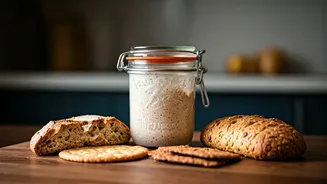
Interestingly, this flavour trend also has a strong connection to wellness. A significant part of the growing interest in sour tastes comes from the popularity of fermented foods like sourdough, kimchi, kombucha, and yogurt, all of which carry a health halo. Consumers are no longer willing to accept that healthy food must be bland. The demand is for dishes that are both nutritious and excitingly craveable. Sweet and sour profiles allow chefs and home cooks to build vibrant flavour using ingredients like citrus, vinegar, and tamarind, reducing the reliance on just salt, sugar, or fat. It's a way to create satisfying, bold-tasting food that also aligns with a more health-conscious lifestyle.
How to Taste the Trend in India
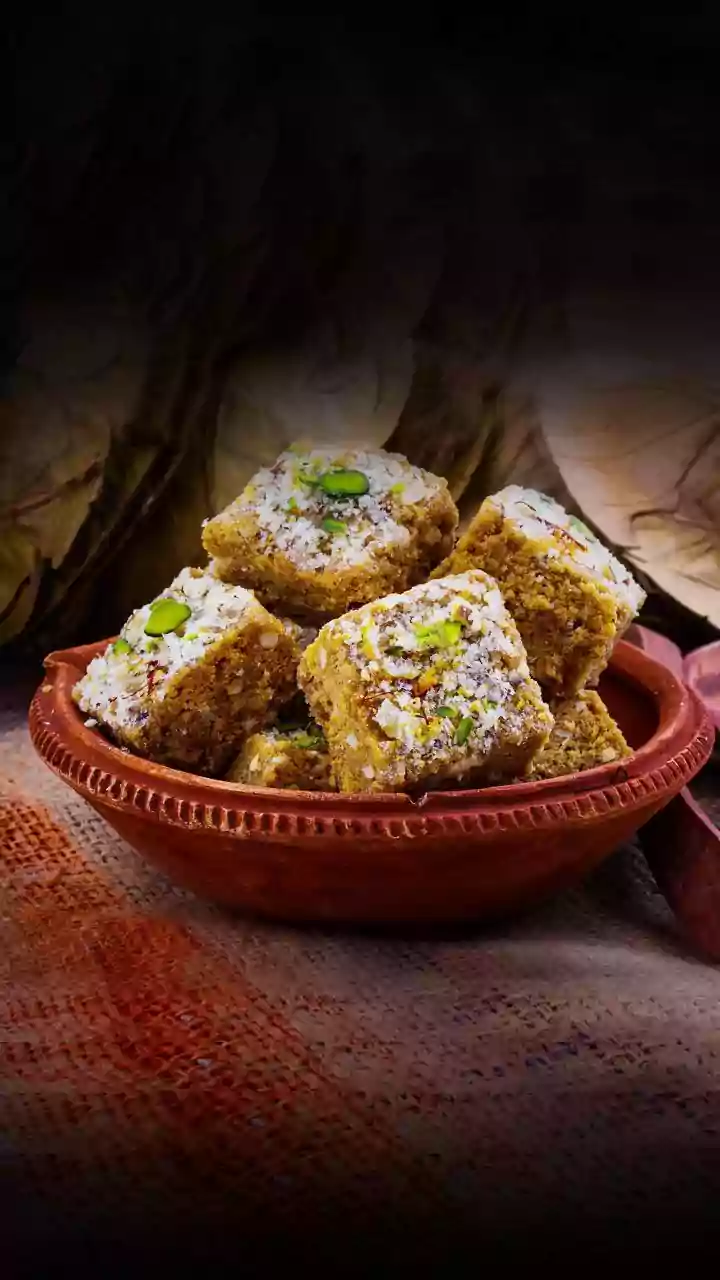
Embracing this trend is easy, as its flavours are all around us. Look for modern restaurants revisiting and elevating regional chaats with high-quality ingredients. The Godrej Food Trends Report 2026 also points to a revolution in functional snacking, with a move towards savoury ‘namkeen’ profiles for protein-rich snacks, moving away from the dominance of sweet protein bars. Even traditional mithai is getting a makeover, with artisans using less sugar and incorporating tangy elements for a more complex experience. On beverage menus, you’ll find cocktails and mocktails using souring agents like kokum and yuzu. At home, it’s about rediscovering the versatility of tamarind, raw mango, and high-quality vinegars to bring that perfect khatta meetha balance to your everyday meals.