

The Science of Surface Area
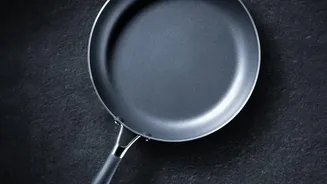
The heart of the problem lies with the relationship between the volume of food and the surface area of the pan. When you place a smaller amount of food in a large pan, the food spreads out into a thinner layer. This drastically increases the ratio of surface area to volume.
Why does this matter? A larger surface area means more of the food is in direct contact with the hot pan and the surrounding air, causing it to absorb heat and lose moisture much faster than a deeper, denser portion would. Think of it like a puddle on a hot day: a wide, shallow puddle evaporates in minutes, while a deep one can last for hours.
Evaporation and Heat Transfer
As liquids in your food—water, sauces, fats—heat up, they evaporate. This process of evaporation actually has a cooling effect on the food. In a properly portioned dish, the rate of evaporation and the rate of heat absorption are in balance, allowing the food to cook through evenly. However, when you use a pan that's too large for a smaller recipe, evaporation happens much more quickly. This rapid moisture loss means there's less liquid to regulate the temperature. The remaining solids are left exposed to the full, direct heat of the pan, leading them to brown too quickly, scorch, or dry out before the interior has a chance to cook properly.
How to Choose the Right Pan
The most effective solution is to scale your cookware along with your ingredients. If you halve a recipe, you need to use a smaller pan. The goal is to maintain the same food depth as the original recipe. For example, a recipe calling for a 9x13-inch pan can often be successfully halved in an 8x8-inch or 9-inch round pan. A recipe for a 12-inch skillet might work in a 10-inch one when scaled down. While it doesn't have to be perfectly exact, getting the surface area close is crucial. Drastically smaller portions, like a single serving, will require a correspondingly tiny pan to prevent disaster.
Adjusting Time and Temperature
Even with the right pan, you'll need to adjust your expectations for time. Smaller portions simply cook faster. A good rule of thumb is to start by reducing the original cooking time by about 25% and begin checking for doneness much earlier. If a full casserole bakes for 60 minutes, start checking your halved version around the 40-minute mark. Rely on visual cues, smells, and especially an instant-read thermometer rather than blindly trusting the timer from the original recipe. In some cases where the batter or food is now deeper in a smaller pan, you may need to slightly lower the oven temperature and increase the time to allow the center to cook without the edges burning.
Think Like a Chef
Ultimately, scaling recipes is more of an art guided by science. Pay active attention to what’s happening in the pan. If you see the edges of your downsized brownie recipe browning too fast while the center is still liquid, your pan is likely too big and the heat is too concentrated on the edges. If you're sautéing a small amount of vegetables in a huge skillet, they're likely to steam and then burn as the moisture evaporates instantly. Always use enough fat or oil to coat the bottom of your chosen pan, and don't be afraid to pull your food off the heat the moment it looks, smells, and tastes right.