


Why Bother With Fibre?
Before we dive into the swaps, let's understand what fibre is and why it's so important. Dietary fibre is a type of carbohydrate found in plants that your body can't digest. It plays a crucial role in maintaining good health. Soluble fibre, found in oats,
beans, and apples, helps control blood sugar and lower cholesterol. Insoluble fibre, present in whole grains and vegetables, aids digestion and prevents constipation. A high-fibre diet can help with weight management, reduce the risk of heart disease and diabetes, and support a healthy gut. Health authorities in India recommend adults consume around 25-30 grams of fibre daily, but studies show many urban Indians get only about half of that. These simple swaps can help close that gap.
Upgrade Your Roti and Breads
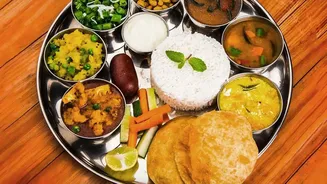
The easiest switch starts with your daily bread. Instead of using refined white flour (maida) for rotis, parathas, or puris, opt for whole wheat flour (atta). Whole wheat flour contains the entire grain—bran, germ, and endosperm—which means it's significantly higher in fibre. Processing refined flour removes the bran and germ, stripping away most of the fibre and nutrients. To take it a step further, consider incorporating millet flours like jowar (sorghum), bajra (pearl millet), or ragi (finger millet) into your atta. Millets are not only rich in fibre but also packed with other essential minerals. You can start by mixing them in a small ratio with your regular atta and gradually increase the proportion as you get used to the taste and texture.
Rethink Your Rice Plate
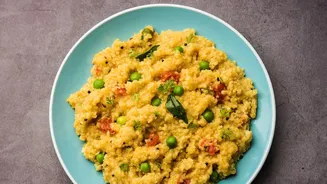
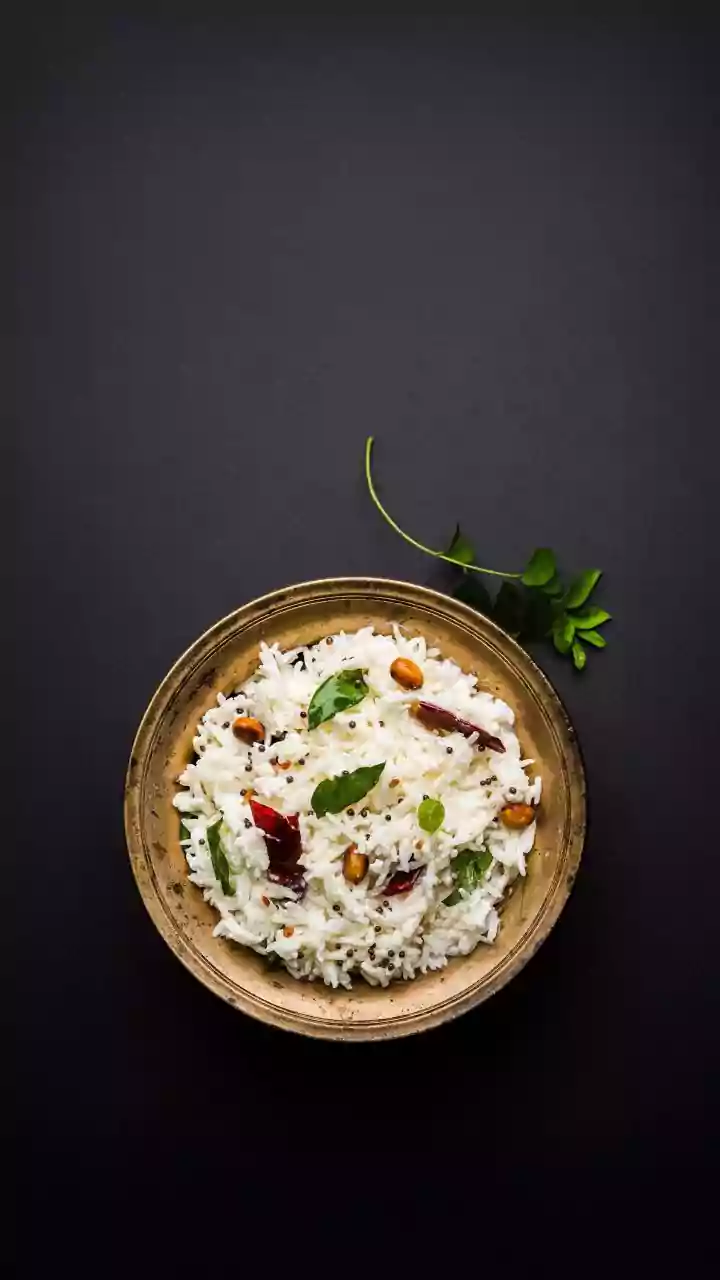
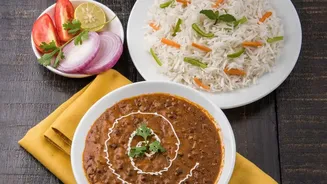
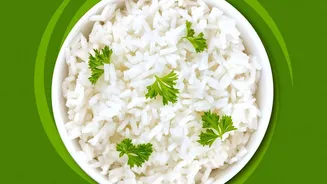
Rice is a staple in most Indian households, but the common choice of polished white rice is low in fibre. The polishing process removes the nutrient-rich outer bran layer. An effortless swap is to switch to unpolished brown or red rice. These whole-grain varieties retain their bran, offering more fibre, vitamins, and minerals. This simple change can aid in better blood sugar control and keep you feeling full for longer. If you're not ready for a complete switch, try mixing white and brown rice in equal parts. Alternatively, you can incorporate millets like foxtail millet or quinoa as a substitute for rice in dishes like pulao, lemon rice, or khichdi.
Embrace Whole Pulses and Legumes
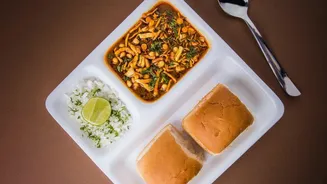
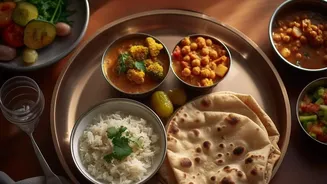
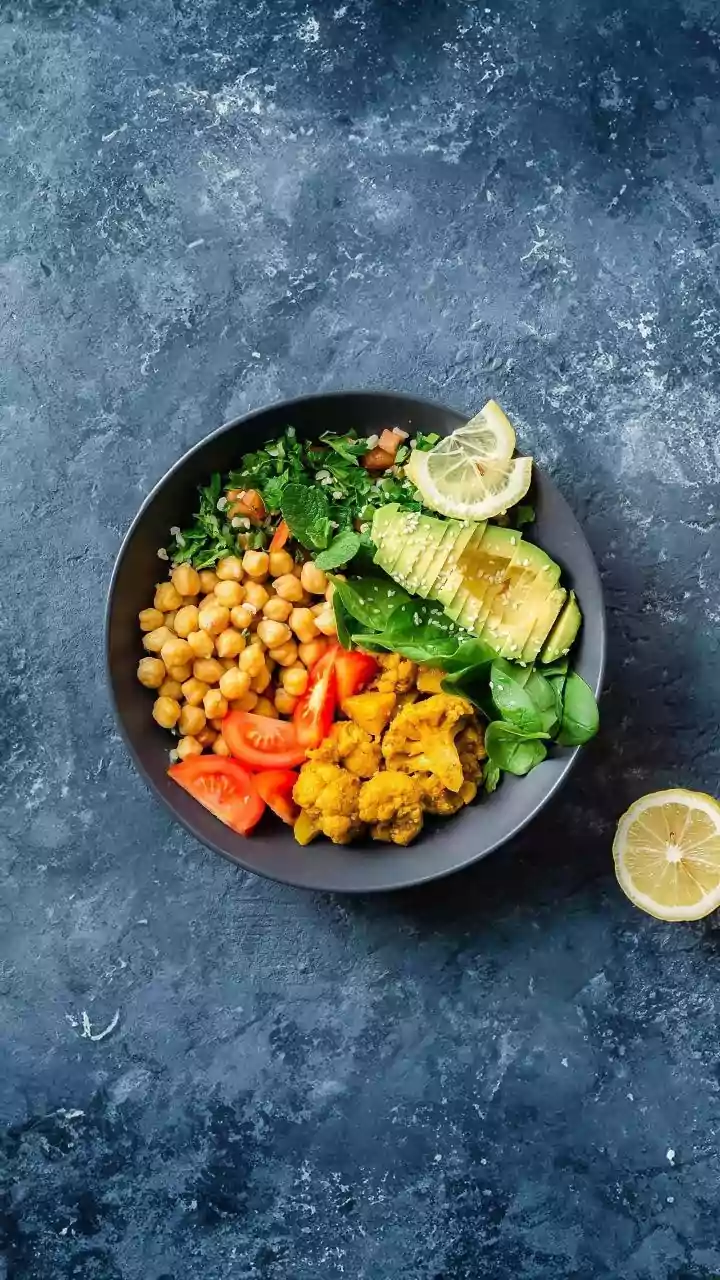
While all dals are a good source of protein and fibre, the way they are processed matters. Split and skinned dals (like yellow moong or toor dal) have slightly less fibre than their whole counterparts (like whole moong or rajma) because the fibrous outer skin is removed. Make it a habit to include whole pulses and legumes like chickpeas (chana), kidney beans (rajma), and whole lentils in your weekly menu. They are exceptionally high in fibre. A bowl of chana masala or rajma chawal significantly boosts your daily fibre intake. You can also add sprouts to salads or use them in sabzis for an extra crunch and a powerful nutritional punch.
Load Up on Vegetables, Skin and All
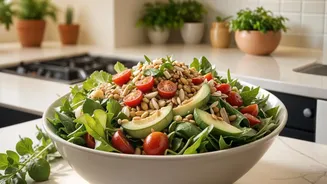
Indian cuisine is celebrated for its vegetable dishes, but we can make them even healthier. Many of us have the habit of peeling vegetables like carrots, cucumbers, and even potatoes. A surprising amount of fibre is concentrated in the skin. Whenever possible, scrub these vegetables thoroughly and cook them with their skin on. Also, try to fill half your plate with sabzi or salad at every meal. Vegetables like okra (bhindi), beans, spinach, and bottle gourd (lauki) are excellent fibre sources. Instead of just one sabzi, aim for a colourful variety throughout the week to get a wide range of nutrients and different types of fibre.
Choose Whole Fruits Over Juices
Fruit juice might seem like a healthy choice, but the process of juicing strips away most of the dietary fibre. Eating a whole fruit gives you the benefit of fibre, which slows down the absorption of sugar and provides a feeling of fullness. Swap your morning glass of juice for a whole apple, a guava (one of the highest-fibre fruits), a banana, or a bowl of papaya. These fruits are not only delicious but also contribute significantly to your daily fibre goals. For a fibre-rich snack, instead of reaching for packaged biscuits, grab a handful of nuts like almonds or walnuts, or some roasted chana.