
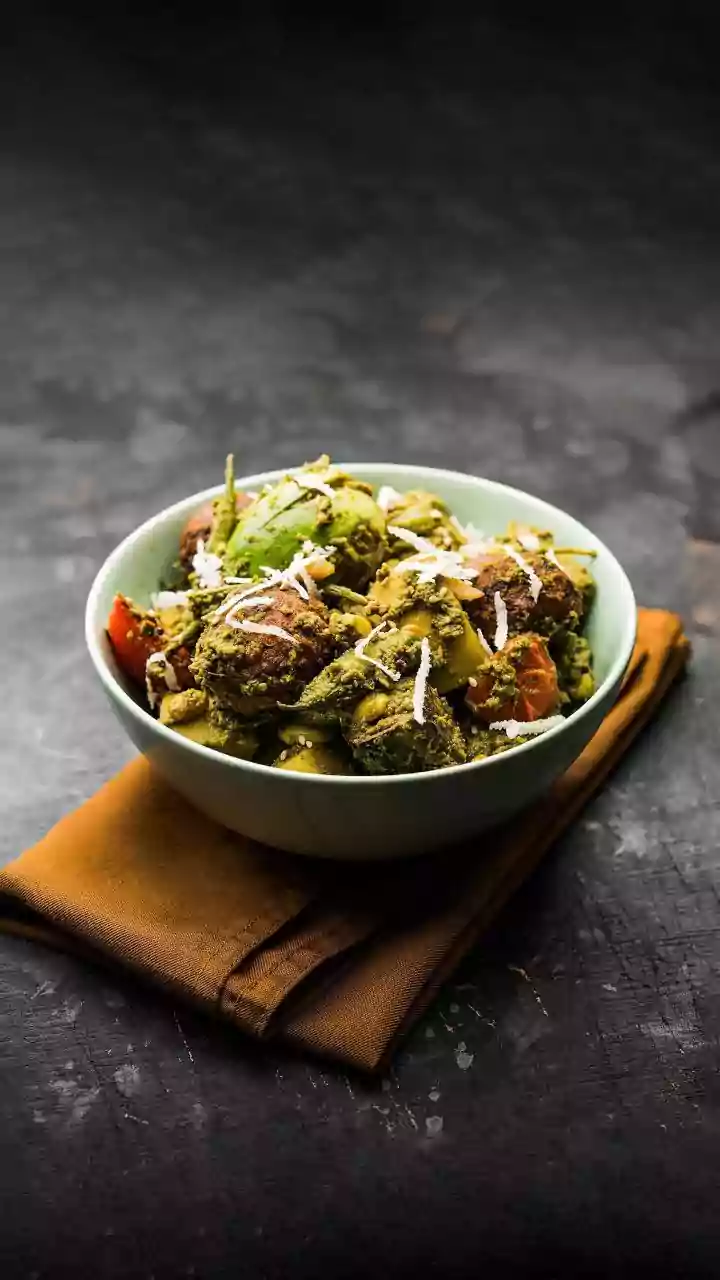
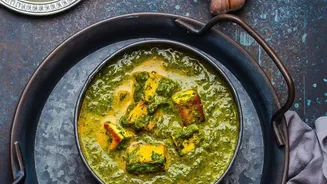
Dalia and khichdi are cornerstones of comfort and health in Indian kitchens. But in the nutritional face-off between broken wheat and the classic rice-lentil duo, which one wins? And how can vegetables transform them from simple to superb?
The Contenders: What is Dalia?
Dalia, also
known as cracked or broken wheat, is a minimally processed whole grain. It is made by crushing whole raw wheat kernels, which means it retains their most nutritious parts: the bran and the germ. This makes dalia a fantastic source of complex carbohydrates and, most notably, dietary fibre. A 100-gram serving of uncooked dalia packs around 12 grams of protein and an impressive 10 to 12 grams of fibre. Its low glycemic index (GI) of around 41 ensures a slow and steady release of energy, preventing the sharp blood sugar spikes associated with refined grains. This quality makes it a popular choice for those managing weight or blood sugar levels.
The Classic: Understanding Khichdi
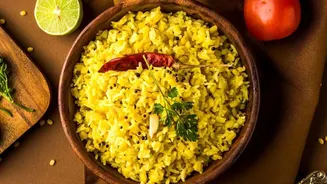
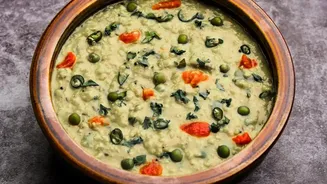
Khichdi is a timeless one-pot meal, celebrated for its simplicity and digestibility. The base is typically a combination of rice and lentils, most often moong dal. This pairing is a nutritional masterstroke; combining a cereal (rice) with a pulse (dal) creates a 'complete protein', providing all the essential amino acids your body needs for repair and growth. This makes it an excellent plant-based source of high-quality protein. Khichdi is famously gentle on the stomach, which is why it is the go-to meal during illness, for young children, and for anyone with a sensitive digestive system. Ayurvedic tradition even considers it a balancing food for all body types.
Nutritional Face-Off: The Key Differences
When placed side-by-side, the two meals offer distinct advantages. Dalia is the undisputed champion of fibre. With significantly more dietary fibre than a standard khichdi, it promotes a feeling of fullness that can last for hours, aiding in weight management and supporting digestive health. Khichdi, however, wins on protein quality. The rice and lentil combination provides a complete amino acid profile, crucial for muscle maintenance and recovery. In terms of blood sugar control, both are excellent choices, but dalia's GI is typically lower than khichdi made with white rice, giving it a slight edge for diabetics. For digestibility, khichdi is the clear winner, as its soft consistency requires minimal effort from the digestive system.
The Vegetable Upgrade: Why It Matters
While dalia and khichdi are healthy on their own, adding vegetables elevates them to a whole new level of nutrition. Vegetables enrich these dishes with essential vitamins, minerals, and antioxidants that the grains and lentils alone may lack. They also add more fibre, enhancing satiety and digestive benefits. Furthermore, vegetables bring a wonderful variety of textures and flavours, transforming a simple porridge into a vibrant, complete meal. From a cooking perspective, incorporating vegetables is a fantastic way to increase your daily intake in a single, comforting pot.
Best Vegetables and Tips for Dalia
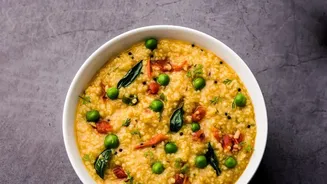
Dalia’s nutty flavour and chewy texture pair well with a wide range of vegetables. Classic choices include carrots, green peas, French beans, and cauliflower. To get the best results, timing is key. Harder vegetables like carrots and potatoes should be sautéed with the onions at the beginning to ensure they cook through. Softer vegetables like peas can be added later in the cooking process. For leafy greens like spinach, it's best to stir them in right at the end, after the pressure has been released or the dalia is cooked, allowing them to wilt in the residual heat without becoming overcooked.
Perfecting Your Vegetable Khichdi
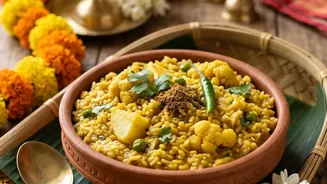
Khichdi is incredibly versatile and forgiving when it comes to vegetables. Popular additions include potatoes, carrots, peas, tomatoes, and beans. You can also add greens like spinach, pumpkin, or even broccoli. The trick to a flavourful vegetable khichdi often lies in the 'tadka' or tempering. Sautéing spices like cumin seeds, turmeric, and ginger in ghee or oil before adding the vegetables creates a deep, aromatic base that infuses the entire dish. Softer vegetables like tomatoes can be added after the onions to break down and form a flavourful sauce, while harder vegetables can be sautéed for a few minutes before adding the rice and dal.