

Embrace the 'Slow' Mindset
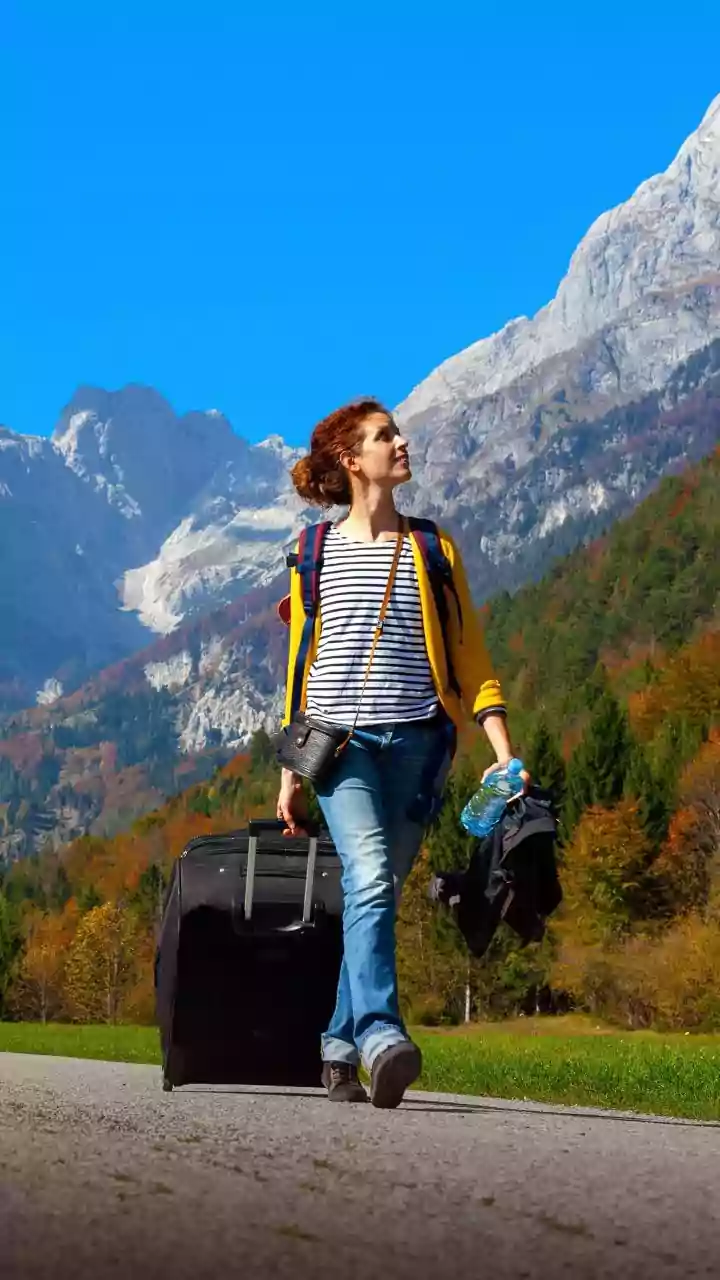
Slow travel is about connection, not checklists. Instead of rushing between cities every few days, you stay in one place for weeks or even months. This approach is inherently more affordable. You drastically cut down on transportation costs, one of the
biggest budget-killers in a traditional fast-paced holiday. By staying put, you replace the frantic stress of constant transit with a deeper, more meaningful connection to a place. You start to understand its daily rhythms, discover hidden gems away from the tourist crowds, and live more like a local than a visitor. This shift in mindset is the first and most crucial step in making a limited budget last longer while enriching your experience.
Rethink Your Accommodation
Your largest expense is often accommodation, but it doesn't have to be. Slow travel unlocks a world of affordable long-stay options that are unavailable to the weekend traveller. Renting an apartment or room for a month or more is significantly cheaper per night than a hotel. Many platforms now cater to monthly stays, offering discounts for longer bookings. For the even more budget-conscious, work exchange programs are a fantastic option. Websites connect travellers with hosts who offer free lodging (and sometimes food) in exchange for a few hours of work per day. This could involve helping at a hostel, working on a farm, or assisting a local family. House-sitting is another brilliant way to live for free by looking after someone's home and pets while they are away.
Travel Off-Peak and Choose Wisely
When you travel can be just as important as where you go. Travelling during the off-season or 'shoulder season' can lead to massive savings. With lower demand, airlines and hotels slash their prices, sometimes by up to 30% or more. Beyond the financial benefits, you'll also contend with fewer crowds at popular attractions, allowing for a more relaxed and authentic experience. Some destinations are also naturally more affordable than others. Choosing a country with a lower cost of living can make your budget stretch exponentially further. Researching destinations known for being budget-friendly allows you to enjoy a high quality of life—eating out, enjoying activities—without the financial strain you might feel in a more expensive city.
Eat Like a Local, Not a Tourist
Eating out for every meal will drain your funds quickly. The slow travel advantage is having the time and, ideally, the facilities to prepare your own food. By booking accommodation with a kitchen or kitchenette, you can shop at local markets and grocery stores. This is not only a huge money-saver but also a fun, immersive cultural experience. You get to try local ingredients and see what residents actually eat. When you do dine out, avoid the tourist traps. Follow the locals to street food stalls or small, family-run eateries where the food is often more authentic and a fraction of the price. Packing snacks and a reusable water bottle can also cut down on unnecessary daily expenses.
Find Free and Meaningful Activities
The best travel experiences are often free. Slow travel gives you the time to discover them. Instead of pricey organised tours, you can explore on your own terms. Spend your days hiking in national parks, wandering through different neighbourhoods, or simply relaxing in a public square and people-watching. Many cities offer free walking tours (where you tip the guide what you can afford), and a quick search online will reveal local community events, festivals, or markets happening during your stay. Engaging with the community, perhaps by volunteering for a local project, can also lead to incredibly rewarding experiences that cost nothing and create lasting memories far beyond what a typical tourist ticket can provide.