


The Fiery Dry Garlic Chutney
Often called 'sukha lasun chutney', this is the soul of a classic Mumbai vada pav. It’s not a wet paste but a coarse, dry powder that packs a powerful punch. Made from roasted garlic, dry coconut, peanuts, and a generous amount of Kashmiri red chilli
powder, this chutney is fiery, nutty, and intensely savoury. The garlic provides a pungent heat that is mellowed slightly by the toasty notes of coconut and peanuts. When sprinkled inside the soft pav, it adds a grainy texture and a smoky, lingering spice that cuts through the richness of the fried potato vada, creating a perfectly balanced bite. Many vendors pride themselves on their unique family recipe for this essential condiment.
The Fresh Green Chutney
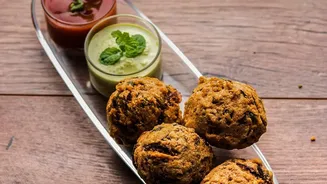
Known as 'hari chutney', this vibrant green sauce offers a complete contrast to the dry garlic powder. Typically a wet chutney, it’s a blend of fresh coriander leaves, mint, green chillies, ginger, and a squeeze of lemon juice. Its flavour is herbaceous, zesty, and cool, providing a refreshing counterpoint to the spicy elements of the vada pav. The coriander brings a bright, citrusy flavour, while the mint adds a cooling sensation. The green chillies give it a sharp, fresh heat that is very different from the deep, smoky spice of the red chutney. Spread on the pav, it adds moisture and a burst of freshness that lifts the entire snack, making it feel lighter and more complex.
The Sweet Tamarind Chutney
While not as ubiquitous as the first two, 'meethi chutney' is a game-changer for those who enjoy a sweet and sour flavour profile. Made from tamarind pulp, jaggery or sugar, and a blend of spices like cumin and red chilli powder, this chutney is thick, glossy, and dark. The dominant flavour is a delightful tanginess from the tamarind, which is perfectly balanced by the earthy sweetness of jaggery. It introduces a completely different dimension to the vada pav, one that is less about pure heat and more about a complex interplay of sweet, sour, and gentle spice. When used alongside the spicy chutneys, it creates a symphony of flavours that caters to the classic Indian 'khatta-meetha' (sweet and sour) palate.
Regional and Modern Twists
The beauty of vada pav is its adaptability, and chutneys are where most experimentation happens. In some parts of Maharashtra, like Nashik, you might find a vada pav served with a sharp, crunchy onion chutney. The Gujarati version sometimes leans heavier on the sweet tamarind chutney to cater to the local palate. In recent years, modern fusion versions have emerged in cities, featuring everything from spicy Schezwan sauce to creamy mayonnaise-based garlic spreads. While traditionalists may scoff, these variations show how the simple framework of vada pav can be a canvas for a wide array of flavours, with the chutney always acting as the lead artist.
The Art of Combination
The true magic of serving vada pav lies not just in the individual chutneys but in their combination. A true aficionado knows that the experience is defined by the ratio of these condiments. Some prefer it 'sukha' (dry), with only a liberal dusting of the garlic chutney. Others want it 'geela' (wet), with a smear of both green and tamarind chutneys creating a saucier, more flavour-packed snack. The vendor will often ask for your preference, layering the chutneys on the pav before nestling the hot vada inside. This allows for a customised experience, where the humble potato fritter in a bun is transformed by the precise blend of heat, freshness, and tang that you desire.