




A Glacier in Every Village
At its core, an ice stupa is a simple, yet brilliant, method of creating an artificial glacier to store winter water. The concept was pioneered by Ladakhi engineer Sonam Wangchuk, who observed that ice lingered longer when shielded from direct sun. The engineering
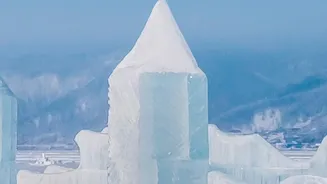
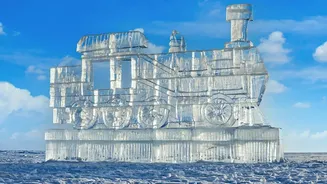
is elegantly simple: water from a glacial stream is piped from a higher altitude during the cold winter months. Gravity provides all the pressure needed—no pumps or electricity required. This water is then sprayed out through a sprinkler, and in the sub-zero air, it freezes almost instantly, forming a massive, cone-shaped mound of ice that resembles a traditional Buddhist stupa. These structures can store millions of litres of water that would otherwise flow away, unused, during winter.
The Race Against a Warming Climate
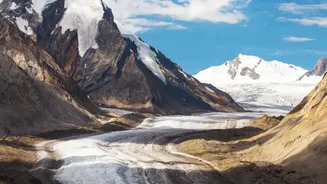
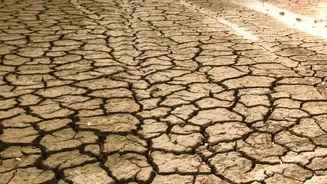
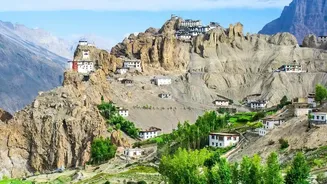
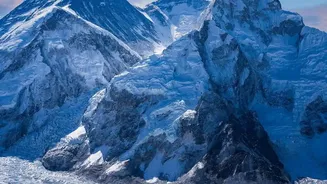
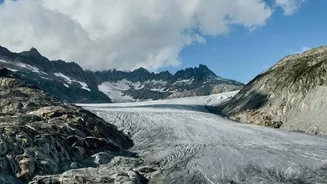
For generations, Ladakhi farmers, who make up about 80% of the population, have relied on the steady melt of snow and glaciers to water their fields in the spring. However, climate change is disrupting this ancient rhythm. Rising temperatures are causing natural glaciers, located high in the mountains, to retreat and their melt patterns to become erratic. The snow and ice now often melt too early in the season, resulting in a devastating water shortage during the crucial sowing months of April and May. When the water is most needed for barley and other crops, the streams run dry, threatening livelihoods and food security across the region.
Engineering for a Slower, Later Melt
The original ice stupa was a revolutionary idea, but the core challenge has evolved. The problem is not just storing water, but ensuring it is available at the right time. This is where adaptation comes in. The conical shape of the stupa was itself an innovation over earlier, flat artificial glaciers, as it minimises the surface area exposed to the sun, slowing the melt. The new adaptations focus on enhancing this effect. Engineers are experimenting with strategic placement in more shaded valleys, building taller and narrower cones to further reduce sun exposure, and using automated systems to release water more precisely. The goal is to delay the main melt until later in the spring, perfectly aligning the water supply with the agricultural calendar.
From Ice to Irrigation
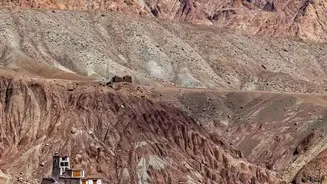
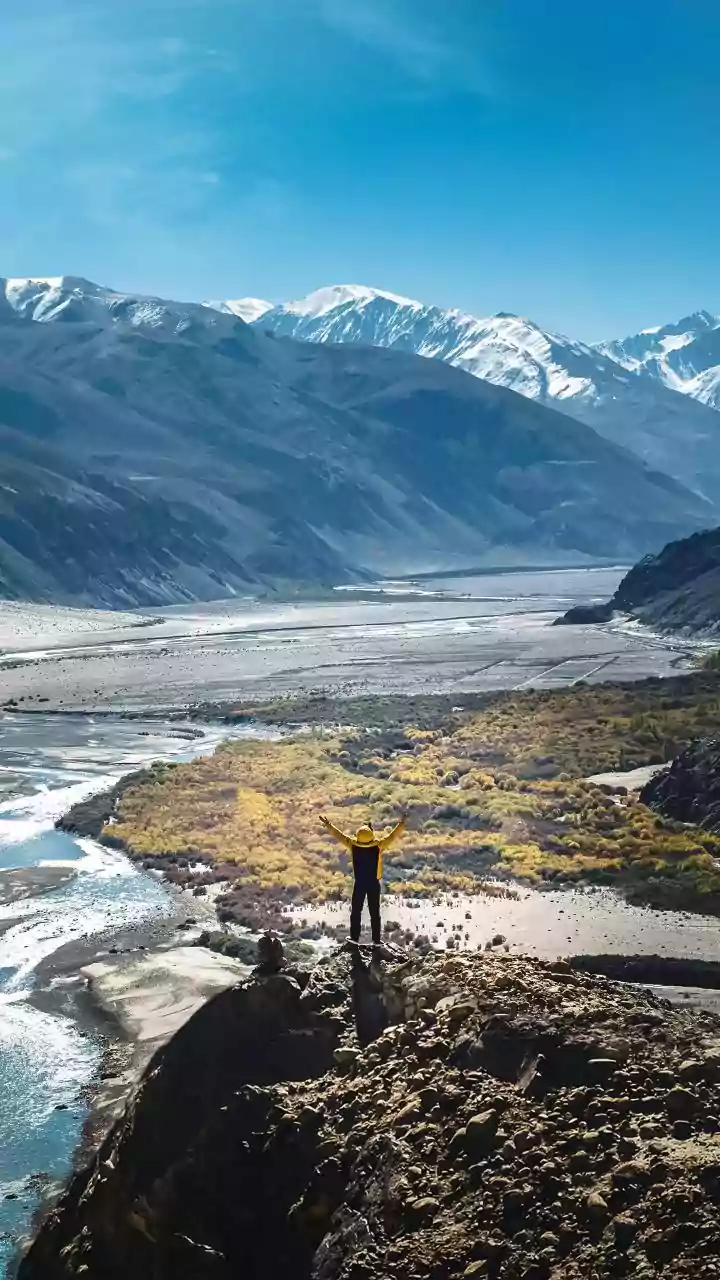
The impact of this adapted technology is life-changing. A single ice stupa can provide millions of litres of water, enough to irrigate dozens of acres of farmland. This allows farmers to confidently plant their crops, knowing they will have the water needed to see them through the critical initial growth period. The first major prototype, built in 2015, successfully watered a new plantation of 5,000 poplar saplings, turning a barren patch of desert green. By securing the agricultural season, this technology helps sustain rural livelihoods, ensures food security, and reduces the pressure for villagers to migrate to urban centres in search of work. It empowers the community to fight a global problem with local ingenuity.
A Beacon of Hope for the Himalayas
The ice stupa is more than just a clever piece of engineering; it's a powerful symbol of climate adaptation. The concept has been so successful that it has inspired competitions, with dozens of villages across Ladakh building their own stupas. The idea is spreading beyond India, with the first European ice stupa built in the Swiss Alps and projects being explored in other mountain regions. While not a silver bullet for the entire Himalayan water crisis, it provides a scalable, low-cost, and community-driven blueprint. It demonstrates that by combining traditional knowledge with modern science, mountain communities can develop resilient solutions to the immense challenges posed by a warming world.