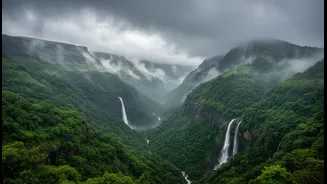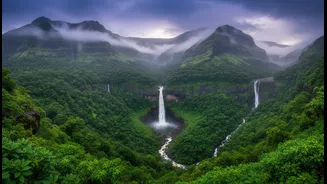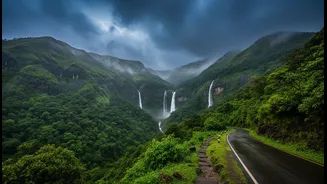




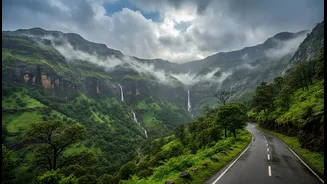


Monitor Weather Alerts Diligently
The first rule of a safe monsoon trip is to become a dedicated follower of the weather forecast. This July, the India Meteorological Department (IMD) has issued several advisories for heavy to very heavy rainfall across the Western Ghats, particularly
in the coastal areas of Karnataka, Kerala, and the Konkan region of Maharashtra. These are not just casual rain forecasts; they are specific alerts—often colour-coded as yellow, orange, or red—that indicate the potential for dangerous weather events. Before you leave and every morning during your trip, check the latest IMD bulletins and regional news updates. A red alert for your chosen destination should be a non-negotiable reason to postpone or alter your plans. Ignoring these warnings can place you in the path of flash floods or leave you stranded due to road closures.
Know the High-Risk Zones and No-Go Areas
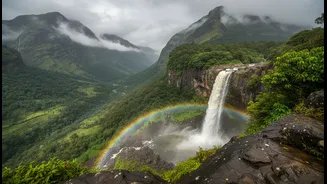
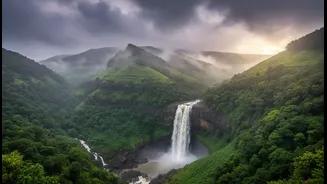
The very features that make the Ghats beautiful in the monsoon—steep cliffs, cascading waterfalls, and winding roads—also make them hazardous. Recent events have underscored these dangers, with a tragic landslide in Wayanad, Kerala, on July 7, 2026, serving as a stark reminder of the region's fragility during intense rains. In response to such risks, district authorities across Maharashtra, Karnataka, and Goa have banned or restricted access to many popular trekking spots, forts, and waterfalls. Destinations like Lonavala, Khandala, and parts of Wayanad are known to be vulnerable to landslides. Popular waterfalls such as Dudhsagar in Goa are often closed as they become dangerously powerful. Always verify with local police or district administration websites if your intended destinations are open to tourists. A beautiful spot is not worth risking your life for.
Rethink Your Itinerary for Safety
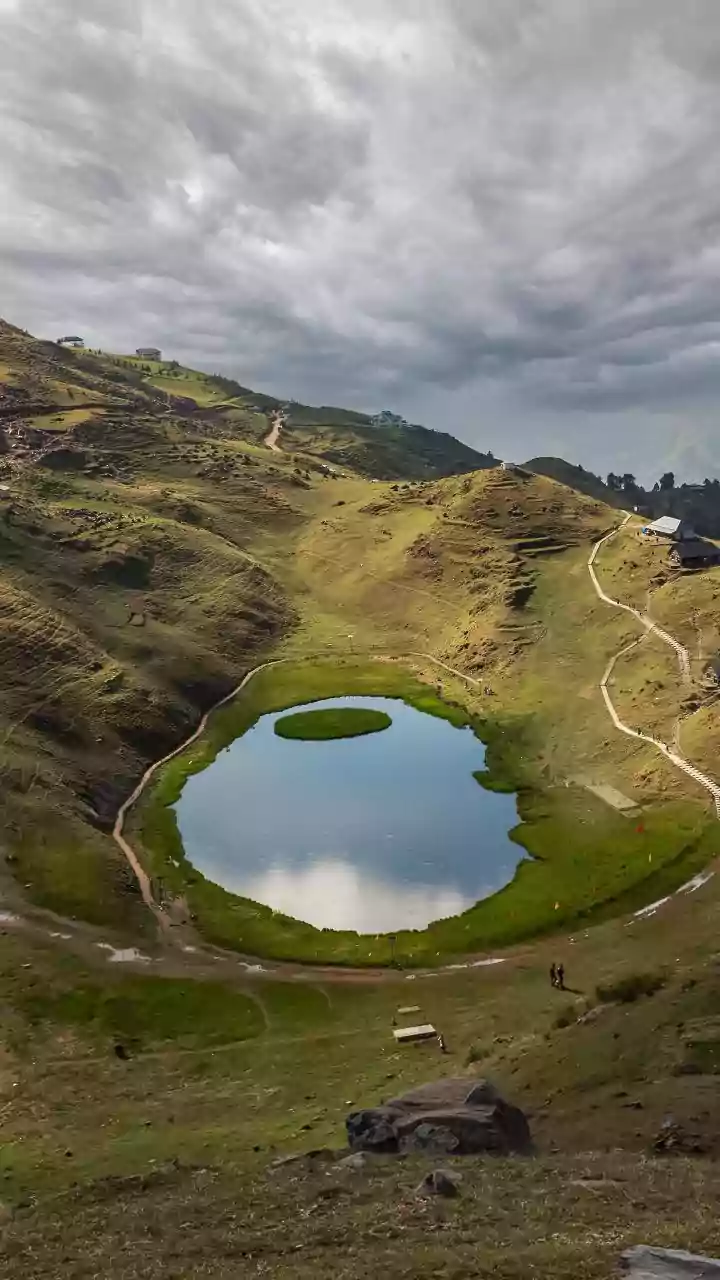
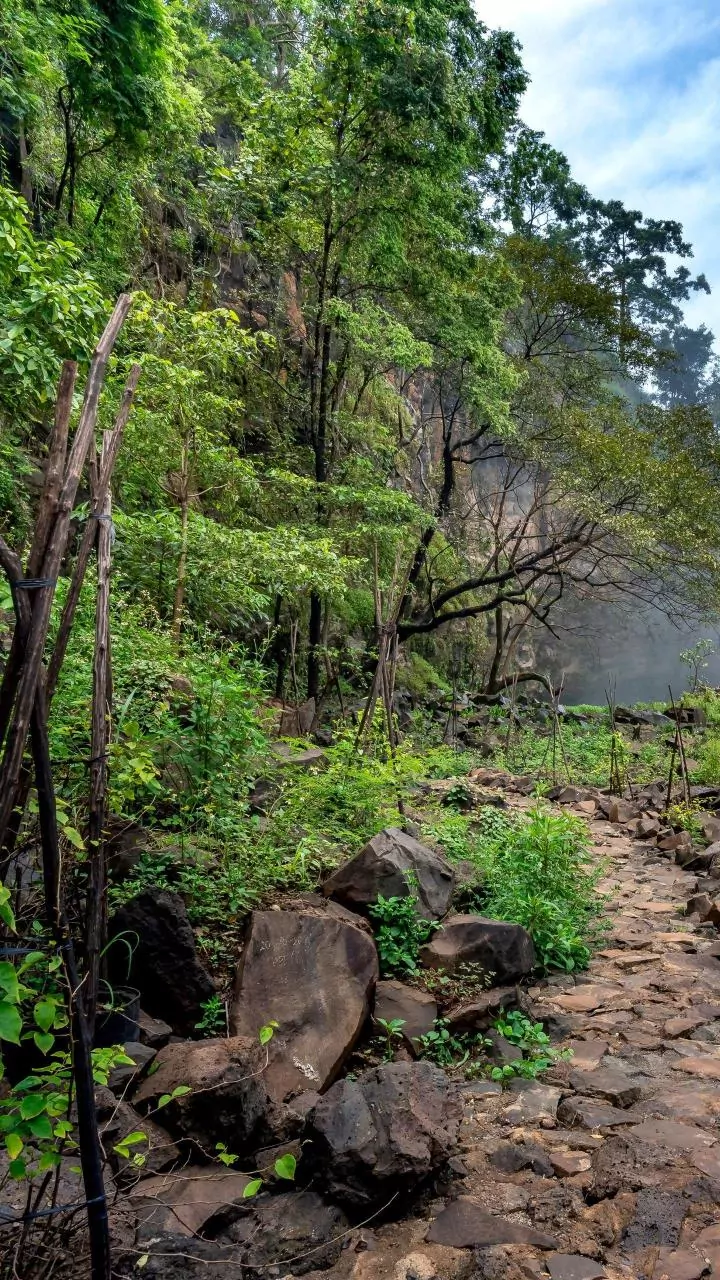
A monsoon adventure in the Ghats doesn't have to mean tackling the most challenging trek or getting as close as possible to a raging waterfall. This is the time to prioritize safer activities. Instead of high-altitude treks on slippery trails, consider gentle walks on well-marked paths on plateaus. Opt for scenic drives during daylight hours only, avoiding the treacherous ghat roads at night when visibility is poor and the risk of falling rocks is higher. Swimming in streams or rivers is extremely dangerous, as water levels can rise in minutes without warning. Choose accommodations on stable ground, away from steep slopes. Many resorts offer stunning monsoon views from a safe and comfortable distance. The goal is to experience the monsoon's magic responsibly, not to challenge it.
Pack a Monsoon-Proof Emergency Kit
Your packing list for a July trip to the Ghats should be focused on staying dry, safe, and connected. Waterproof gear is non-negotiable. This includes a reliable raincoat, waterproof footwear with excellent grip, and a rain cover for your backpack. Carry a first-aid kit with antiseptic, bandages, and any personal medications. Power cuts are common, so a fully charged power bank is essential for keeping your phone running. Mobile networks can be unreliable in remote areas; therefore, download offline maps of your route and inform family or friends about your detailed itinerary before you leave. Pack quick-drying clothes and extra pairs of socks to stay comfortable. Also include some energy bars and a water bottle, as you may face unexpected delays.
Drive with Extreme Caution
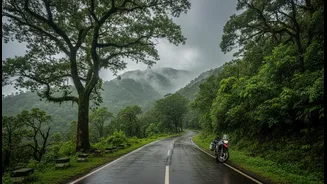
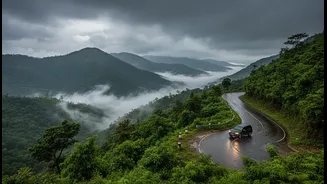
The roads in the Western Ghats demand your full attention, especially during the monsoon. Heavy rains can cause waterlogging, reduce visibility to a few meters, and make roads dangerously slippery. Before starting your journey, ensure your vehicle's tyres, wipers, and headlights are in perfect condition. Drive significantly slower than you normally would and maintain a safe distance from the vehicle ahead. Be particularly wary on winding ghat sections, where landslides and falling boulders are a constant risk. Avoid stopping your vehicle in areas with steep hillsides above or below the road. If you encounter a roadblock or a minor landslide, it is safer to turn back and find an alternative route or wait for authorities to clear the way rather than taking a chance.