






Why Sitting Is the New Smoking
The phrase 'sitting is the new smoking' might sound dramatic, but it highlights the serious health risks of a sedentary lifestyle. Prolonged sitting is linked to a host of problems beyond simple aches. It can contribute to obesity, high blood pressure,
unhealthy cholesterol levels, and an increased risk of heart disease and even certain cancers. When you sit for long periods, especially in a slouched position, you place enormous pressure on your spinal discs and overstretch the ligaments in your back. This can damage spinal structures over time, leading to chronic pain. Poor posture also weakens key muscle groups like your core and glutes while tightening others, such as your hip flexors and chest muscles, creating painful imbalances. The cumulative effect impacts everything from your circulation and digestion to your mental health.
Your Ergonomic Blueprint for Comfort
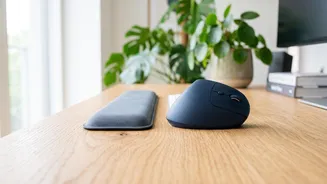
Creating an ergonomic workstation is the first line of defence against sitting-related discomfort. It’s about fitting your workspace to your body, not forcing your body to fit the workspace. Start with your chair. Adjust the height so your feet are flat on the floor and your knees are level with or slightly below your hips. Your buttocks should be pressed against the back of the chair for proper lumbar support. If needed, use a small pillow or a rolled-up towel for extra lower-back support. Position your monitor about an arm's length away, with the top of the screen at or just below eye level to keep your neck in a neutral position. Your keyboard and mouse should be close enough that your elbows can stay near your body at roughly a 90-degree angle, with your wrists in a straight, neutral position.
Movement: Your Most Important Task
Even the most perfectly ergonomic setup has a flaw: it encourages you to stay still. The human body is designed for movement, and remaining in one position for hours on end is inherently stressful. The key is to interrupt your sitting time frequently. Set a reminder to stand up, stretch, and walk around for a few minutes every 30 to 60 minutes. These 'micro-breaks' boost circulation, reset your posture, and give your muscles a much-needed break. Consider having walking meetings with colleagues instead of sitting in a conference room. When on the phone, stand up and pace. Another helpful practice is the 20-20-20 rule: every 20 minutes, look at something 20 feet away for 20 seconds to reduce eye strain. Small bursts of activity throughout the day are more effective than a single workout after hours of being sedentary.
Simple Stretches to Do at Your Desk
You don't need a yoga mat to relieve tension. These simple stretches can be done right at your chair. For your neck, gently tilt your head toward your right shoulder and hold for 15-30 seconds, then repeat on the left side. To ease shoulder tension, roll your shoulders up toward your ears, then back and down in a circular motion several times. For your back, try a trunk rotation: sit tall and gently twist your upper body to one side, hold, and then repeat on the other side. To counteract tight hip flexors, perform seated leg extensions by straightening one leg out in front of you, holding for a few seconds, and then lowering it back down. Finally, a shoulder blade squeeze—pulling your shoulder blades together as if holding a pencil between them—can help correct a slumped posture. These small movements can make a significant difference in how you feel.