




The High-Altitude Desert Advantage
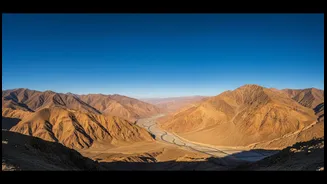
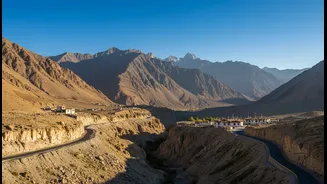
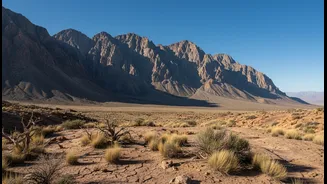
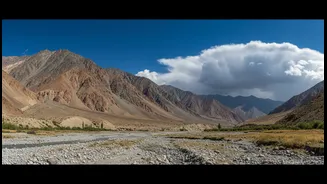
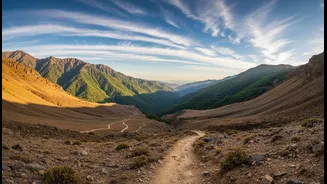
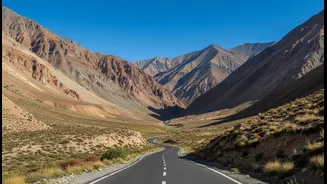
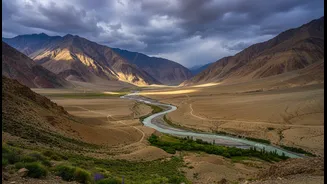
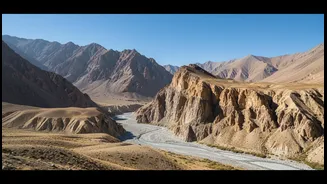
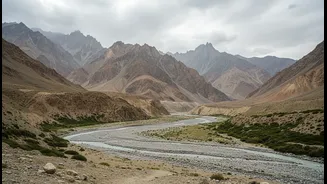
The secret to Ladakh and Spiti's relative safety lies in their unique geography. Both regions are high-altitude cold deserts located in the rain shadow of the Himalayas. The towering mountain ranges effectively block the moisture-laden monsoon clouds
that drench the rest of the country from June to September. While other hill stations receive torrential downpours, Ladakh and Spiti experience very little rainfall, often less than 100 mm annually. This arid environment means the primary trigger for most monsoon landslides—soil saturation from heavy rain—is largely absent. The result is a landscape that remains stark, beautiful, and accessible during the very months when other mountain roads are at their most perilous.
A Stark Contrast to Other Himalayan States
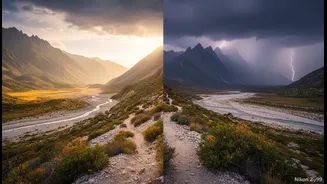
The situation is dramatically different in states like Himachal Pradesh and Uttarakhand. These regions bear the full brunt of the Indian summer monsoon. Intense rainfall saturates the soil on steep slopes, drastically increasing the risk of landslides. Recent reports from early July 2026 confirm this annual pattern, with heavy rains triggering landslides and road blockages across both states, disrupting travel and daily life. Experts point to a combination of factors exacerbating the problem: fragile geology, steep slopes, and increased human activity, including unscientific road construction and deforestation, which further destabilise the terrain. This combination of heavy rain and vulnerable slopes makes many popular destinations in these states a risky proposition during the peak monsoon months.
What This Means for Your Travel Plans
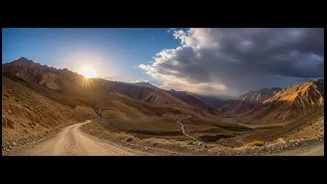
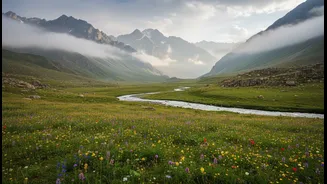
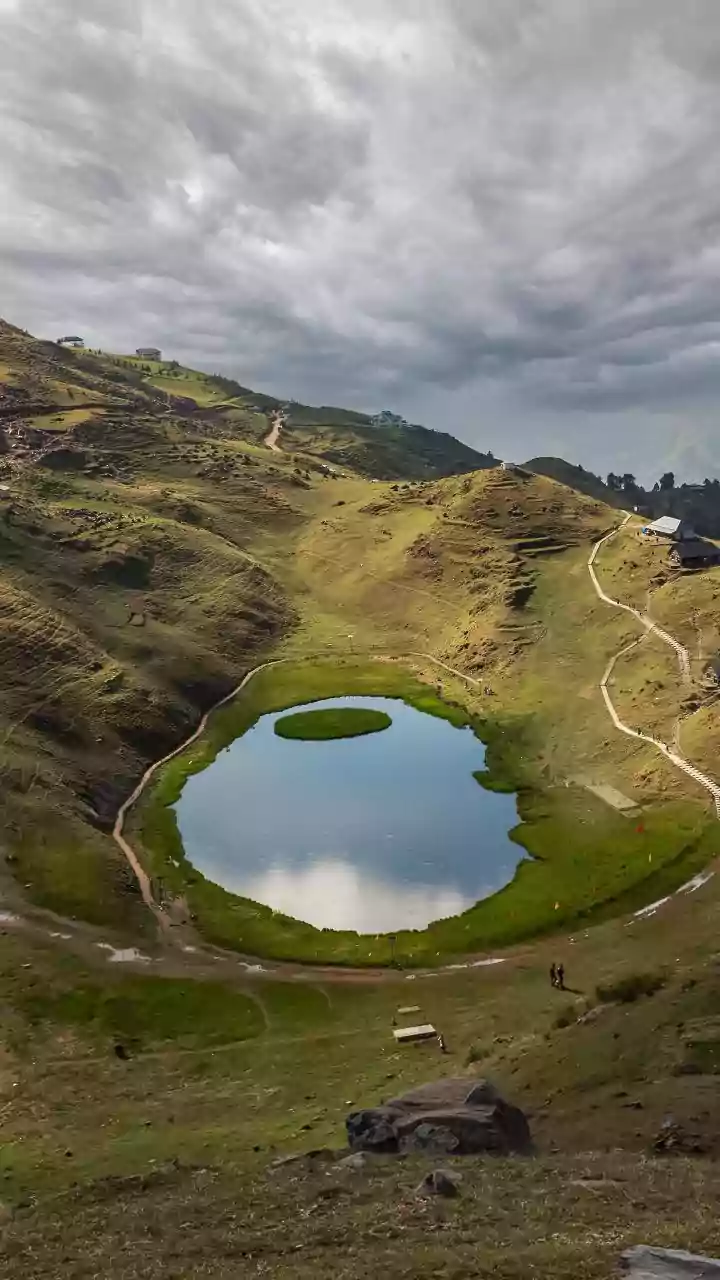
For holidaymakers, this geographical distinction is key. Planning a trip to Ladakh or Spiti between June and September allows you to enjoy a classic mountain holiday with clear, sunny skies while bypassing the worst of the monsoon's fury. This window is, in fact, the peak season for these regions, as the high passes are reliably open and the weather is at its most pleasant. Instead of worrying about rain-induced disruptions, you can focus on exploring the dramatic landscapes, ancient monasteries, and unique culture that define these areas. Treks like the Markha Valley in Ladakh or routes through the Spiti Valley are popular and relatively safe from the landslide risks plaguing lower Himalayan regions.
A Word on Responsible Travel
While Ladakh and Spiti offer a safer haven from monsoon landslides, no mountain region is entirely without risk. The threat of landslides is significantly lower but not zero. Flash floods from glacial lake outbursts or localised cloudbursts can still occur, though they are less frequent. Furthermore, the high altitude itself presents challenges like Acute Mountain Sickness (AMS), which travellers must prepare for through proper acclimatisation. It is always crucial to travel with reputable operators, stay informed about local conditions, and respect the fragile environment. Choosing these destinations helps bypass the most severe landslide threats, but it does not remove the need for caution and preparedness that all high-altitude travel demands.