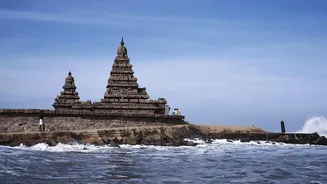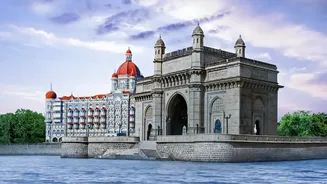




Dotted along Maharashtra's 720-kilometre coastline, historic sea forts rise from the Arabian Sea like stone sentinels. These marvels of military engineering have guarded the coast for centuries, but how were they designed and built?
A Fortress Against The Waves
Maharashtra's coastline
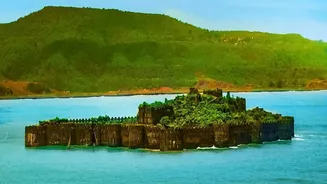
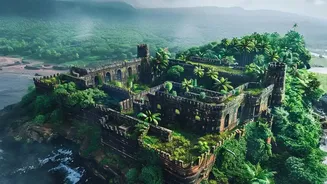
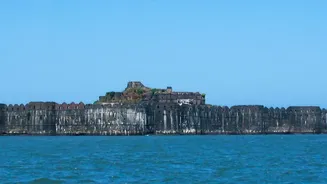
is a gallery of maritime fortifications, each with a story of strategy and survival. Among the most formidable is Murud-Janjira, an island fort in the Raigad district that remained unconquered throughout its history. Originally a smaller wooden structure built by fishermen in the 15th century to defend against pirates, it was transformed into a colossal stone fortress by Malik Ambar of the Ahmadnagar Sultanate. The name 'Janjira' itself is believed to derive from the Arabic word 'Jazeera', meaning island. These forts were not just defensive outposts; they were critical hubs for controlling sea trade routes and asserting naval dominance against European powers and rival local rulers.
Ingenious Construction and Materials
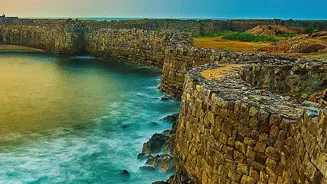
Building a massive fort in the middle of the sea without modern technology required extraordinary ingenuity. The architects and builders of forts like Murud-Janjira and Sindhudurg used local laterite and basalt rock, quarrying it directly from the islands they were built on. A unique binding mortar was created using a mixture of lime, sand, jaggery, and other natural materials, which proved incredibly durable against the corrosive sea. In the construction of Sindhudurg Fort, commissioned by Chhatrapati Shivaji Maharaj, over 40,000 pounds of molten lead were used in the foundation to secure the stones against the relentless waves of the Arabian Sea. This focus on function and locally sourced materials is a hallmark of Maratha-era military architecture.
Key Elements of Defensive Design
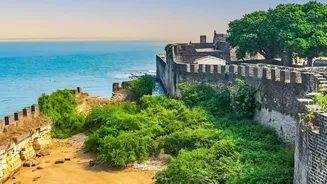
The architecture of these sea forts was purely functional, designed to withstand long sieges and repel naval attacks. Murud-Janjira's main gate is ingeniously concealed and only becomes visible at close range, preventing enemies from easily identifying the entrance. The fort is encircled by high walls, approximately 40 feet tall, and features 19 to 26 rounded bastions that provided a wide field of fire for cannons. These bastions still hold massive cannons, some of which are famously named, like the 'Kalal Bangadi'. Another critical feature was self-sufficiency; the forts contained everything needed to survive a prolonged siege, including palaces, quarters for officers and soldiers, mosques, and, most importantly, freshwater lakes or wells within the walls.
The Unconquered Citadel
The strategic design of Murud-Janjira is proven by its history; it was never successfully conquered. The fort resisted repeated attacks from the Portuguese, the British, and even the formidable Marathas under Chhatrapati Shivaji Maharaj and his son, Sambhaji Maharaj. Its Siddi rulers, who were of African origin, maintained control for centuries by leveraging the fort's impenetrable design and forming strategic alliances, including with the Mughals. The fort's location on a busy trade route made it a coveted prize, but its high granite walls, which seem to rise directly from the sea during high tide, made any assault a monumental challenge.
A Living Legacy
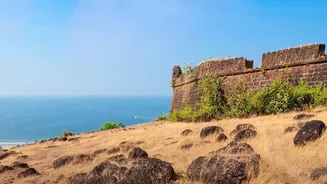
Today, these sea forts are protected monuments and popular tourist destinations, offering a direct link to a storied past. Visitors can take small boats from coastal villages like Rajapuri to reach Murud - Janjira, experiencing the same sea approach that traders and warriors did centuries ago. While many of the internal structures are now in ruins, exploring the labyrinthine passages, towering ramparts, and ancient cannons gives a powerful sense of their historical significance. These forts are more than just architectural relics; they are enduring symbols of the ingenuity, resilience, and strategic military thinking that shaped the history of India's western coast.