






First, What Are Microplastics?
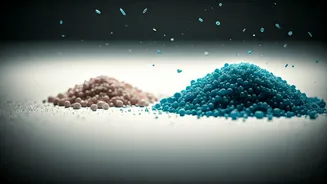
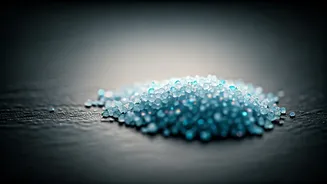
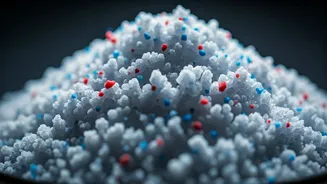
Think of every plastic item ever made—bottles, bags, containers, even clothes. Plastic never truly disappears; it just breaks down into smaller and smaller pieces. When these fragments become less than five millimeters long, they're called microplastics.
Some are even smaller, known as nanoplastics, which are microscopic. Because they are so tiny and durable, they've managed to infiltrate every corner of the planet, from the deepest oceans to the air we breathe and, alarmingly, the food we eat. They are created by the weathering of larger plastic items or are sometimes manufactured as tiny beads for use in cosmetics and cleaning products.
The Unwanted Ingredient In Your Salt
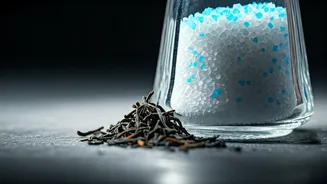
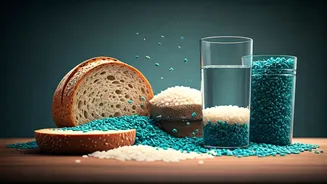
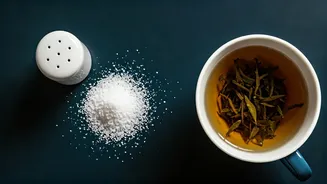
A significant portion of India's salt comes from seawater. As our oceans become increasingly polluted with plastic waste, it's perhaps unsurprising that this contamination is making its way into our salt pans. A pioneering study by IIT Bombay examined popular salt brands in India and found microplastics in all of them. The researchers discovered particles of polyester, polyethylene, and polystyrene, among others. The study estimated that particles ranged from 56 to 103 per kilogram of salt. A more recent study in 2024 by the organisation Toxics Link confirmed these fears, finding microplastics in all 10 salt brands they tested, including table salt, rock salt, and sea salt. Iodised salt was found to have the highest concentration.
Is Your Daily Chai Contaminated?
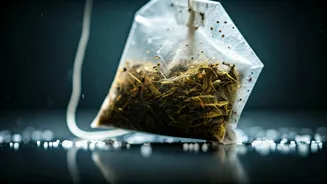
The concern extends to another daily ritual: tea. The issue here is often the teabag itself. To withstand hot water, many teabags are either made with plastic or sealed with a plastic-based sealant like polypropylene. One study found that a single plastic teabag steeped in hot water could release billions of microplastic and nanoplastic particles into the cup. While not all brands use plastic, the prevalence of these bags is a major source of dietary exposure. Beyond the bags, the Toxics Link study also found microplastics in sugar, another key component of a typical Indian chai. The contamination is believed to come from the environment and the extensive plastic used in food processing and packaging.
The Big Health Question: How Worried Should We Be?
This is the billion-rupee question, and the science is still evolving. Researchers have found microplastics lodged in human organs, including the brain, blood, and even placentas. The concern is twofold: the physical presence of the particles and the chemical additives they carry. These chemicals, some of which are known to be hormone disruptors or carcinogens, can leach into the body. Some studies have suggested links between microplastic exposure and inflammation, immune system damage, and reproductive problems. A 2024 study published in The New England Journal of Medicine found that patients with microplastics in their arteries had a higher risk of heart attack, stroke, and death. However, regulatory bodies like the U.S. FDA state that current evidence does not definitively demonstrate that the levels found in food pose a risk to human health, highlighting the need for more research.
Can We Avoid Them?
Completely avoiding microplastics is likely impossible in today's world, but you can reduce your exposure. Opting for fresh foods with minimal plastic packaging is a good start. When it comes to beverages, using tap water instead of bottled water can significantly lower your intake, as studies show bottled water contains much higher levels of plastic particles. In the kitchen, using glass, steel, or wooden containers and utensils instead of plastic ones, especially for hot food or when microwaving, can make a difference. For tea drinkers, choosing loose-leaf tea or brands that use plastic-free, unbleached paper teabags is a better alternative. These small changes in our daily habits can help limit our personal consumption while we push for broader, systemic solutions to the global plastic problem.