








The Pressure on Your Wallet
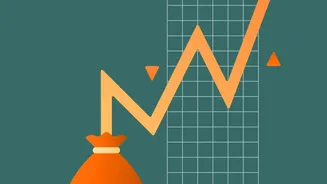
Across India's cities, the cost of daily life is on the rise. Recent data from October 2026 shows a clear trend: key household expenses are becoming more expensive. India's retail inflation, as measured by the Consumer Price Index (CPI), accelerated to 5.54%
in September, a significant jump from 4.83% in August. This increase is not abstract; it translates directly to higher bills. Urban inflation specifically stood at 4.88%. The primary drivers are rising costs for food, particularly vegetables, and fuel. Price hikes for consumer durables like air conditioners and TVs, which saw increases of 5-8% from some brands, have also been announced, timed right before the festive season. These pressures are compounded by rising transport costs, which have a ripple effect on the prices of nearly all goods.
From Saving More to Spending Less
In response to this squeeze, a subtle but important shift is occurring in household financial planning. While the classic advice is to save a percentage of your income, for many urban families, the immediate priority has become managing expenses to protect their existing savings. The challenge is that income is not always keeping pace with the rising cost of living. This has led to a re-evaluation of spending habits. A recent survey noted that while festive spending is still expected, shoppers are approaching discretionary purchases more carefully. This indicates a move from aspirational buying to more needs-based, cautious consumption, with households trying to make their money go further on essentials.
The Hunt for Value
Urban consumers are becoming more strategic to counter rising prices. One clear trend is the shift towards value. During recent festive sales, for example, products priced under ₹500 accounted for about half of all orders in value commerce, and average order values were reportedly 7-8% lower than the previous year. This suggests a conscious decision to buy lower-priced items. This 'hunt for value' also manifests in grocery shopping, where some consumers are opting for smaller, low-priced packs of everyday goods instead of larger family packs to manage their monthly cash flow. Another strategy involves cutting back on non-essential recurring costs, such as reviewing and cancelling unused digital subscriptions, or sharing family plans for streaming services.
Postponing Big-Ticket Purchases
When budgets are tight, large expenditures are often the first to be deferred. The rising cost of living is impacting plans for significant purchases like homes and cars. Higher interest rates, a tool used by the Reserve Bank of India to manage inflation, can make loans for these items more expensive, potentially weakening demand. In the real estate sector, while the desire for homeownership remains strong, affordability has become a major constraint. A survey found that while many buyers still plan to proceed with their purchase, a significant portion are either delaying their decision or considering more affordable properties in peripheral urban locations. This indicates a pragmatic adjustment of life goals in the face of economic realities.
A Shift in Financial Thinking
The current economic climate is also fostering a broader change in how households view their money. There is a gradual but notable move away from traditional physical assets like gold and real estate towards financial products. This 'financialisation of savings' involves using tools like Systematic Investment Plans (SIPs) in mutual funds, insurance, and pension funds. The goal is shifting from simply preserving money to actively building a portfolio that can create wealth and provide a buffer against inflation. Automating savings, where a fixed amount is invested on salary day, is becoming a key strategy to enforce discipline before discretionary spending can erode potential savings.