






An Overview: The Post-Monsoon Sweet Spot
October is widely considered one of the best months to visit India. The southwest monsoon has withdrawn from most of the country, resulting in lower humidity, clear blue skies, and comfortable temperatures. This 'shoulder season' offers the benefit of good
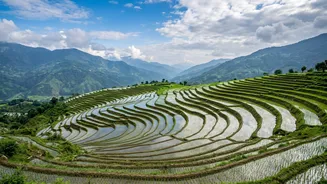
weather before the peak crowds of November and December arrive. Landscapes are exceptionally green after the rains, and many wildlife sanctuaries reopen their gates. While most of the country is dry, it's a month of two tales, as the northeast monsoon begins to affect the southeastern coast towards the end of the month.
North India: Golden Triangle and Himalayan Foothills
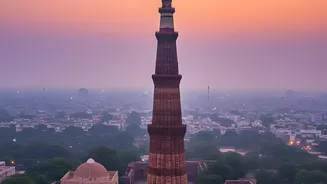
For those planning to visit Delhi, Agra, and Jaipur—the iconic Golden Triangle—October offers nearly perfect conditions. Expect warm, dry, and sunny days with daytime temperatures hovering around 30-33°C, cooling off pleasantly in the evenings. This makes it ideal for long days of exploring majestic forts and monuments. In the Himalayan foothills, destinations like Shimla, Rishikesh, and Dharamshala also see beautiful weather, with minimal rain and daytime temperatures in the mid-20s. The air is crisp, offering clear mountain views, and it's a great time for trekking and adventure sports like river rafting.
West and Central India: Deserts and Reawakening Parks
Western India, particularly Rajasthan, is a prime destination in October. The countryside is still surprisingly green from the monsoon, creating a beautiful contrast with the golden forts of cities like Jodhpur and Jaisalmer. Temperatures are warm but not unbearable, generally in the low 30s. On the coast, Goa's peak season kicks off. The rains subside, beach shacks begin to reopen, and the weather becomes sunny and hot, with highs around 32-33°C. In Central India, national parks such as Bandhavgarh and Kanha typically reopen mid-month, offering renewed opportunities for wildlife safaris in lush forests.
South India: Lush Landscapes and the Retreating Monsoon
The weather story in the South is a bit more complex. In states like Kerala and Karnataka, the landscape is intensely green and beautiful. While the main monsoon has passed, there can still be occasional showers, especially early in the month, which leave the air feeling fresh. It's an excellent time for cruising the backwaters in Alleppey or visiting the tea plantations in Munnar. However, the southeastern coast, particularly Tamil Nadu, begins to experience the onset of the northeast monsoon from the third week of October. This means you should expect some rainy days if travelling to cities like Chennai late in the month.
East and Northeast India: Festivals and Clear Skies
In the East, cities like Kolkata are pleasantly warm and dry in October, making it a fantastic time to visit, especially with the grand celebrations of Durga Puja often falling within the month. Further into the Northeast, in places like Darjeeling and Sikkim, the weather improves significantly. The skies clear up, revealing stunning views of the snow-capped peaks. The lush green hills and full-flowing rivers make for picturesque scenery. It's also a good time to visit Assam, as Kaziranga National Park reopens to visitors.
What to Pack for Your October Trip
Given the diversity, layering is key. For North and West India, pack light, breathable cottons like loose-fitting tops and pants for the day. Include a light sweater, cardigan, or shawl for cooler evenings, especially in the North. For the South, add a light raincoat or umbrella for potential showers. Comfortable walking shoes are a must for sightseeing everywhere. When visiting temples or religious sites, it is respectful to cover your shoulders and knees, so a scarf or shawl is a versatile and essential item to carry. Don't forget sun protection like hats and sunscreen, as the sun can be strong even when temperatures are pleasant.