





Nature's Protective Layer
Raw nuts and seeds possess natural compounds that act as a defence mechanism for the plant. These include phytic acid and enzyme inhibitors, designed to keep the seed dormant until conditions are perfect for germination. While essential for the plant's
survival, these compounds can present a challenge for human digestion. When we eat raw nuts, these protective layers can make it harder for our bodies to access the full spectrum of nutrients locked inside. The practice of soaking is essentially a way to signal to the seed that it is time to 'wake up', which begins to neutralise these protective compounds.
The Phytic Acid Factor
Phytic acid, sometimes called an 'anti-nutrient', is a primary concern. It can bind to important minerals like iron, zinc, magnesium, and calcium within our digestive tract. This binding process can form insoluble complexes, which may prevent these minerals from being fully absorbed by the body. While phytic acid is not inherently harmful and even has some antioxidant benefits, a diet consistently high in phytates without proper preparation could contribute to reduced mineral absorption over time. Soaking helps to break down a portion of this phytic acid, making the minerals in the nuts and seeds more bioavailable for your body to use.
Easing Up on Digestion
Beyond phytic acid, enzyme inhibitors in raw nuts can also put a strain on our digestive system. These substances can interfere with our own digestive enzymes, which are responsible for breaking down food. For some people, especially those with sensitive digestive systems, this can lead to feelings of heaviness, bloating, or discomfort after eating raw nuts. Soaking helps to neutralize these inhibitors, effectively pre-digesting the nuts and making them gentler on the gut. This process not only aids in smoother digestion but also results in a softer, creamier texture, which many people find more pleasant.
How to Soak Your Nuts and Seeds
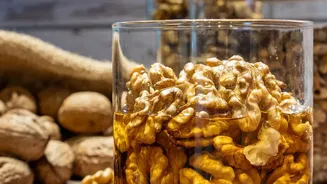
The process of soaking is quite simple. To start, place your raw, unsalted nuts or seeds in a glass bowl or jar. Cover them completely with warm, filtered water, as they will expand. Many guides suggest adding a pinch of sea salt to the water to help activate the enzymes that neutralize inhibitors. Soaking times vary depending on the nut or seed. Harder nuts like almonds generally require a longer soak of 8-12 hours. Medium-oily nuts such as walnuts and pecans need around 6-8 hours. Softer, high-fat nuts like cashews and macadamias require the least time, typically just 2-4 hours. It is important to note that some research suggests the reduction in phytic acid from soaking nuts can be minimal, and that eating raw nuts is still far better than not eating them at all. After soaking, always discard the murky water, as it contains the leached-out phytic acid and inhibitors. Rinse the nuts thoroughly under fresh water. You can then consume them immediately for a softer, plumper snack, or dehydrate them in an oven on the lowest temperature setting until they are crisp again for longer storage.