




From Seeing to Doing
For decades, travel was often treated like a scavenger hunt. The goal was to tick off a list of famous sights: the Eiffel Tower, the Colosseum, the Taj Mahal. Success was measured by how many landmarks you could visit. Today, a growing number of travelers
are trading this checklist for a different kind of journey—one focused on participation, not just observation. This new travel philosophy, often called 'experiential travel', prioritizes personal growth and connection over passive sightseeing. It’s about learning to cook a local dish, hiking through a national park, or connecting with local artisans. The goal is no longer just to see a place, but to understand it by immersing yourself within its culture.
The Rise of the Food-First Itinerary
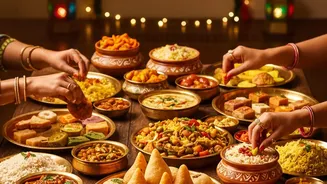
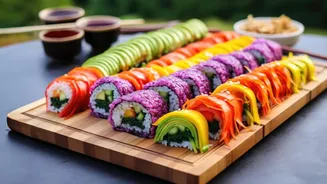
Perhaps no area has seen a more dramatic rise than culinary tourism. Recent studies show that for a huge majority of travelers—nearly 80% according to some 2026 reports—food is a primary factor in choosing a destination. This goes far beyond simply booking a nice restaurant. Travelers are signing up for market tours, farm-to-table experiences, and cooking classes led by local chefs. They're seeking out authentic street food, which 66% of travelers are most excited about, rather than just fine dining. Food offers a direct and sensory gateway into a culture's history, traditions, and community values in a way that viewing a monument from behind a rope cannot. As a result, culinary activities are booming, becoming one of the fastest-growing segments of the entire travel industry.
Nature as the Main Event
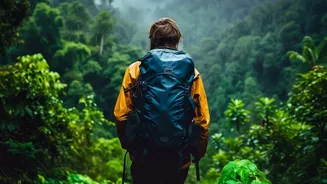
Alongside the boom in culinary travel, nature-led activities are also surging in popularity. The global ecotourism market is projected to grow significantly, with some estimates suggesting it could cross USD 333 billion by 2027. Travelers are increasingly drawn to hiking, wellness retreats in natural settings, and wildlife tours. This reflects a desire to disconnect from the constant digital noise of modern life and reconnect with the environment. Rather than just taking a quick photo of a scenic viewpoint, people want to be actively involved in the landscape. This shift also aligns with a growing awareness around sustainability, as travelers look for responsible ways to engage with the natural world and support conservation efforts.
Authenticity in the Age of Social Media
It might seem paradoxical, but social media platforms like Instagram and TikTok are major drivers of this trend. While these platforms fueled the 'iconic spot' photo for years, they are now also where travelers discover unique, off-the-beaten-path experiences. User-generated content, from a travel vlog about a street food tour to an influencer's post about a pottery workshop, inspires others to seek out similar, more authentic moments. For many younger travelers, such as Millennials and Gen Z, the currency of a good trip is no longer a photo of a famous landmark, but a story about a unique experience they had, a skill they learned, or a connection they made.
How the Travel Industry Is Responding
This fundamental change in traveler desire has not gone unnoticed. Hotels, tour operators, and tourism boards are quickly adapting. Many hotels are moving beyond just offering a room and are now curating local experiences, such as on-site cooking classes, partnerships with local guides, and guided neighborhood tours. They are transforming from simple accommodations into hubs for cultural immersion. Tour companies are expanding their portfolios to include more hands-on, small-group activities that promise a deeper connection to the destination. This evolution acknowledges that for the modern traveler, the experience is no longer an add-on; it is the reason for the trip itself.