




Tackling the Tomato Trouble
Tomatoes form the base of countless curries, but when their prices soar, the kitchen budget takes a serious hit. To replicate their essential tanginess, look no further than your own pantry. Tamarind pulp, dissolved in warm water, offers a similar tartness
perfect for dals and sambar. For a creamy texture and sour note, well-whisked dahi (yoghurt) can be stirred in towards the end of cooking. Don't underestimate amchur (dry mango powder) for a quick acidic kick, or even pureed pumpkin, which provides body and a subtle sweetness that can be balanced with a little vinegar or lemon juice.
Beyond the Usual Onions
Like tomatoes, onions are a foundational flavour. When prices spike by over 30% in a month, it's time for creative solutions. While nothing perfectly replaces them, you can reduce the quantity and amplify other aromatics like ginger and garlic. For gravies that need bulk, finely grated cabbage or bottle gourd (lauki) can be sautéed until they break down, providing a surprisingly neutral base. A pinch of asafoetida (hing) can also mimic some of the savoury, sulfurous notes of onion and garlic.
Protein Power on a Budget
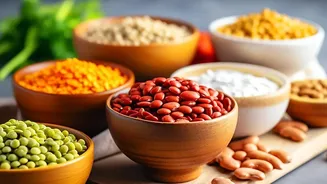
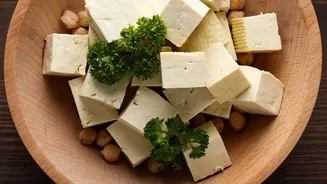
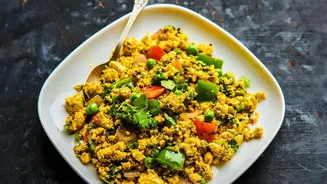
The price of pulses can be volatile, but protein is non-negotiable for a balanced meal. If your preferred dal, like tur, becomes expensive, consider swapping it for more affordable varieties like masoor or chana dal. Soya chunks are a protein powerhouse, offering around 52g of protein per 100g at an unbeatable cost. They absorb flavours beautifully in curries and bhurji. Eggs are another excellent, cost-effective source of complete protein. Expanding your protein repertoire not only saves money but also diversifies your nutrient intake.
Embrace Seasonal Vegetables
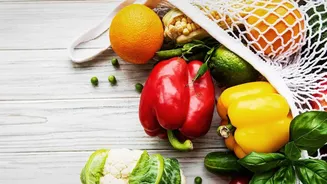
One of the surest ways to save money is to cook with the seasons. Vegetables that are in abundance are always cheaper, fresher, and more flavourful. As autumn and winter approach, markets fill with affordable and nutritious produce. Look for carrots, spinach, cauliflower, beetroot, peas, and various greens like methi (fenugreek) and sarson (mustard greens). Using these in your sabzis, parathas, and dals instead of expensive, out-of-season options ensures your meals remain vibrant and varied.
Experiment with Grains
While rice and wheat are staples, India has a rich heritage of millets that are gaining renewed attention for their nutritional benefits and climate resilience. Grains like jowar (sorghum), bajra (pearl millet), and ragi (finger millet) can be used to make rotis and bhakris. Foxtail and little millets can be a wonderful substitute for rice in dishes like pulao, lemon rice, and even khichdi. They often have a lower glycemic index and introduce new textures and nutrients to your diet.