



Creating a lush, tropical garden at home is a joy, but success starts with one simple rule: right plant, right place. Understanding your light and growing conditions is the key to a thriving green space. Let's make your garden flourish.
First, Understand Your Light
Before you buy
a single plant, take a day to observe the sunlight in your home and garden. Knowing your light is the most critical step. 'Full sun' means at least six hours of direct, unfiltered sunlight daily. 'Partial sun' or 'partial shade' usually means three to six hours of sun, ideally gentle morning light. 'Low light' doesn't mean no light, but rather a space that receives less than three hours of direct sun, or only indirect, filtered light, like a north-facing room or an apartment balcony blocked by another building. An east-facing balcony gets softer morning sun, while a south-facing one gets the most intense light. This simple assessment will guide every choice you make and prevent the disappointment of a plant failing to thrive.
For Sun-Drenched Balconies and Patios
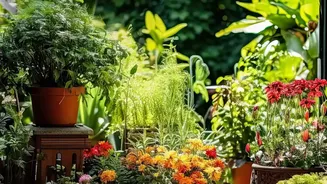
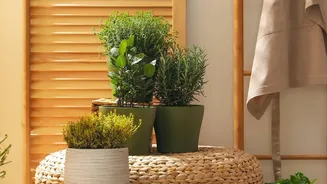
Spaces that receive relentless sun for most of the day require tough, heat-loving plants. For vibrant colour, Bougainvillea is a classic choice, known for its paper-thin, colourful bracts that flourish in bright sun and require less water once established. Hibiscus (Gudhal) is another sun-worshipper, producing large, stunning blooms that bring a truly tropical feel to any garden. For easy-to-grow seasonal colour, Marigolds (Genda) are perfect, adding cheerful pops of yellow and orange. Succulents are also excellent candidates for sunny spots as they store water in their leaves and are extremely low-maintenance. Many useful herbs like Holy Basil (Tulsi) and Curry Leaves (Kadi Patta) also thrive in pots with several hours of direct sun.
For Bright, Indirect Light Indoors
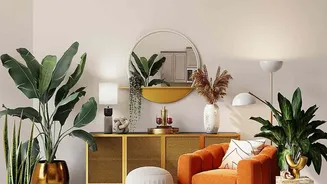
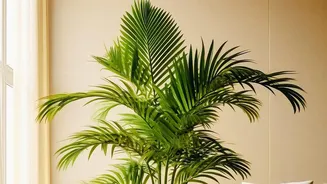
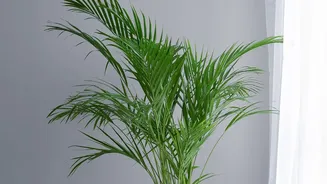
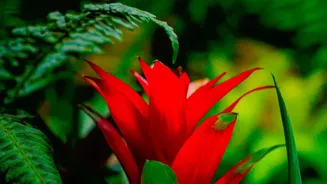
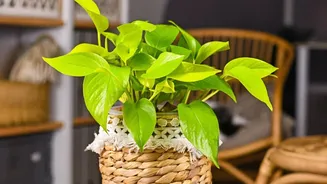
Many indoor spaces are bright without being in the direct path of the sun. These spots are perfect for a wide variety of tropical foliage plants that evolved under the canopy of larger trees. The Areca Palm is a popular choice, adding an airy, elegant feel while also acting as a natural humidifier. The Money Plant (Pothos) is incredibly versatile and forgiving, with trailing vines that look beautiful on shelves or in hanging baskets. For a touch of colour, Anthuriums with their waxy, heart-shaped 'flowers' do well in these conditions. The Peace Lily is another favourite, known for its elegant white spathes and its ability to purify indoor air. These plants enjoy the brightness but are sensitive to direct sun, which can scorch their leaves.
For Low-Light and Shady Corners
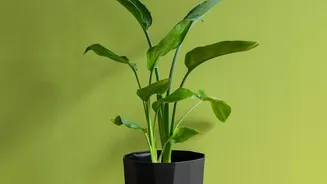
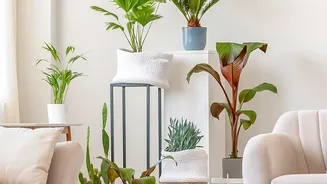
Don't let a dim room stop you from enjoying greenery. Several resilient plants can adapt to and thrive in low_light conditions. The Snake Plant is nearly indestructible; its upright, architectural leaves tolerate very low light and infrequent watering. The ZZ Plant (Zamioculcas zamiifolia) is another tough contender, with glossy dark leaves that can survive in corners far from a window. Both are excellent choices for beginners or for spaces like hallways and bathrooms. The Spider Plant is also a great option, known for being adaptable and producing 'pups' that can be easily repotted. While these plants are tolerant, 'low light' does not mean 'no light'. They still need some ambient or filtered light to survive.
Beyond Light: Soil and Watering
While light is the primary consideration, don't forget soil and water. Most tropical plants prefer well_draining soil to prevent their roots from becoming waterlogged, which can lead to root rot. A good quality potting mix, often containing ingredients like peat moss and perlite, is a better choice than heavy garden soil, especially for potted plants. The general rule for watering is to check the top inch of soil. If it's dry, it's time to water. Allow the water to run through the drainage holes, but don't let the pot sit in a saucer of standing water. Remember that plants in hot, sunny spots will dry out much faster than those in cool, shady corners, so adjust your watering routine accordingly.