


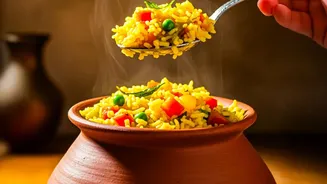
The All-India Embrace of Khichdi
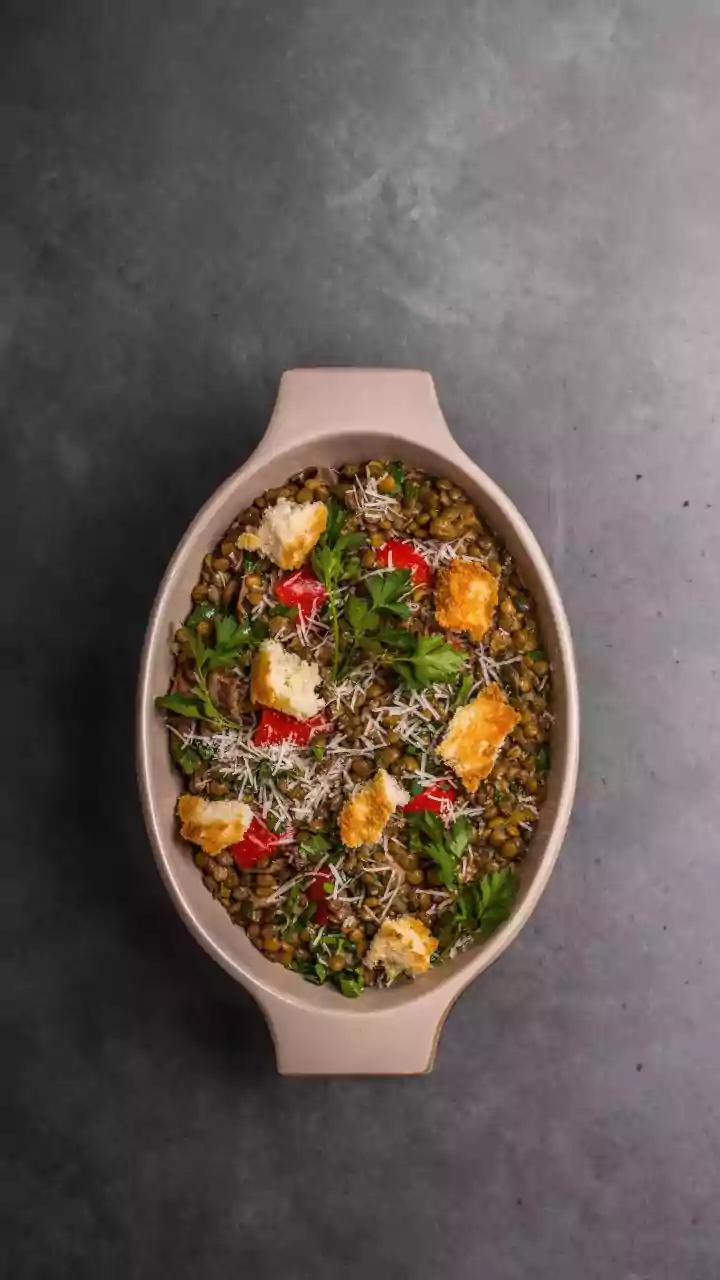
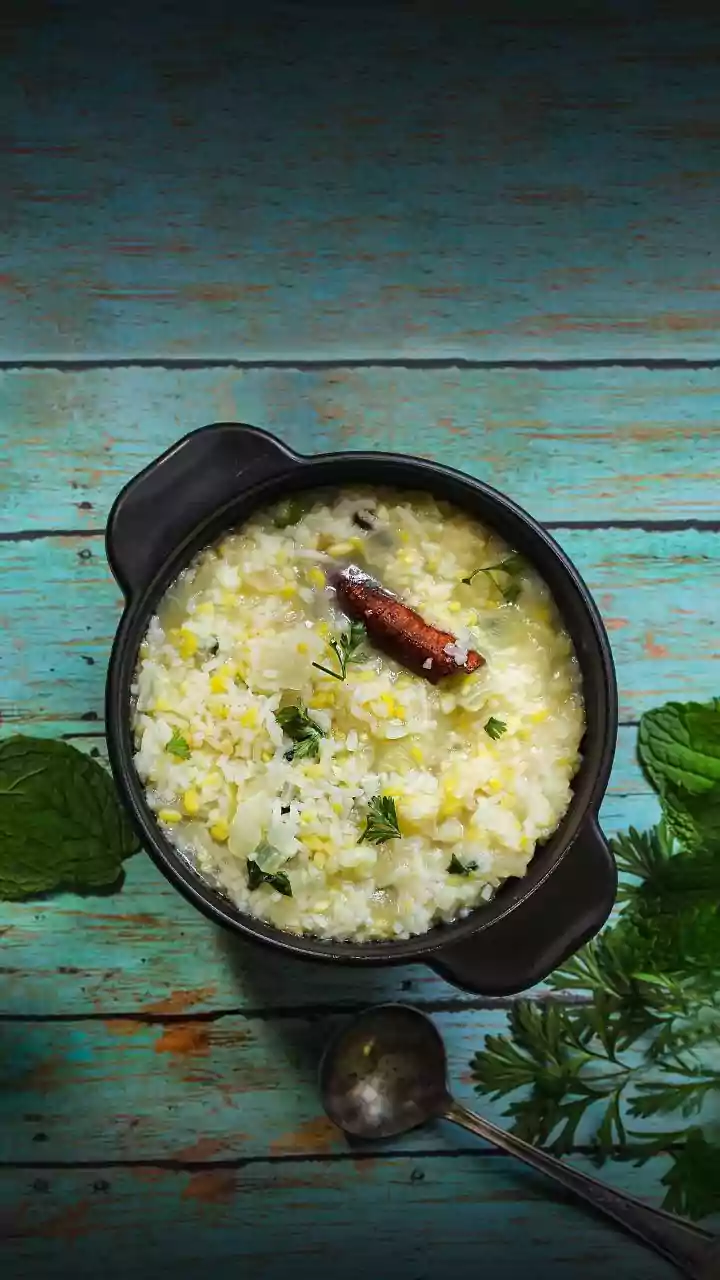
Khichdi is more than just a dish; it's a feeling. Made across the subcontinent, its basic form combines rice and lentils, cooked together until soft and yielding. But this simplicity is a canvas for endless regional creativity. In Gujarat, it might be
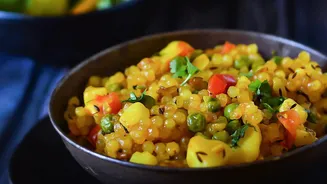
a soft, porridge-like preparation served with tangy kadhi. Uttar Pradesh adds seasonal vegetables like peas and cauliflower for a festive Masala Khichdi, especially during Makar Sankranti. Bengal's Khichuri often uses fragrant gobindobhog rice and gets a pungent kick from mustard oil, while Rajasthan swaps rice for bajra (pearl millet) to create a heartier, rustic version. Often one of the first solid foods for babies and a go-to for anyone feeling under the weather, Khichdi is the ultimate symbol of nourishment and comfort in Indian cuisine.
Karnataka’s Royal Bisi Bele Bath
Translating to 'hot lentil rice dish' in Kannada, Bisi Bele Bath is a symphony of flavours. This iconic one-pot meal from Karnataka is a complex and aromatic blend of rice, toor dal (pigeon peas), assorted vegetables, tamarind, and a special spice powder. Its origins are traced back to the royal kitchens of the Mysore Palace, where it was perfected as a complete and regal meal. What sets it apart is the intricate Bisi Bele Bath powder, a unique mix of roasted spices that can include everything from coriander and red chillies to cinnamon and a special ingredient called marathi moggu (kapok buds). Served piping hot with a generous dollop of ghee and a side of crispy boondi or potato chips, it’s a festive, flavour-packed experience.
Uttar Pradesh's Fragrant Tehri
Tehri, or Tahari, is a beloved vegetable pulao from Uttar Pradesh, born from a tradition of creating flavourful vegetarian rice dishes. It’s a fragrant one-pot meal where long-grain rice is cooked with vegetables, most essentially potatoes, and a medley of whole spices like bay leaves, cloves, and cardamom. Unlike a more complex biryani, Tehri is simpler to prepare, making it a staple in many households for a quick and satisfying lunch or dinner. Often cooked in mustard oil for a distinct pungent aroma, it's the kind of comfort food that evokes memories of home-cooked meals, perfectly paired with a simple side of curd or raita.
Tamil Nadu's Nourishing Pongal
In Tamil Nadu, Pongal is both a harvest festival and a beloved dish marking celebration and abundance. Ven Pongal, the savoury version, is a creamy, porridge-like mixture of rice and moong dal, elevated by a generous tempering of ghee, whole black peppercorns, cumin seeds, and curry leaves. It's a quintessential South Indian breakfast, light on the stomach yet deeply satisfying. While it shares its core ingredients with Khichdi, the distinct tempering gives Pongal its unique identity. There's also a sweet version, Sakkarai Pongal, made with jaggery and nuts, often prepared as a temple offering.
Odisha's Wholesome Dalma
Dalma is the soul food of Odisha, a unique and nutritious dish that blurs the line between dal and vegetable curry. It’s a simple stew where lentils (typically toor or chana dal) are boiled with a variety of local, seasonal vegetables like raw papaya, pumpkin, and yam. What makes Dalma special is its aromatic tempering, often featuring panch phoron (a five-spice blend) and roasted cumin-chilli powder in ghee. Dalma also has a significant cultural connection, being an integral part of the 'Mahaprasad' at the famous Jagannath Temple in Puri, where it is made without onions or garlic, following sacred traditions.