

Choose a Reputable Seller
The first step to good mithai is a good mithaiwala. Opt for well-known shops with a reputation for hygiene and quality. A clean, well-lit store with properly displayed sweets and staff wearing gloves is a positive sign. During festival rushes, the Food
Safety and Standards Authority of India (FSSAI) often advises consumers to buy from licensed vendors. Look for an FSSAI license number, which should be displayed on the premises or packaging. This certification indicates that the seller adheres to safety and hygiene standards set by the government.
Read the Labels and Dates
For packaged sweets, always check the manufacturing and 'best before' or 'expiry' dates. In recent years, FSSAI has also mandated that sellers of loose sweets display these dates. This is crucial, especially for milk-based sweets which have a very short shelf life. For example, Kalakand should ideally be consumed the same day, while Bengali sweets like Rasgulla can last about two days under refrigeration. Ladoos and khoya-based sweets last around four days, whereas dry fruit and ghee-based sweets can stay fresh for about a week.
Trust Your Senses: Sight and Smell
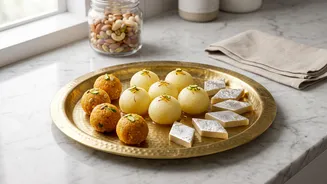
Your senses are your best tool. Fresh sweets should have a pleasant, natural aroma. If a sweet smells stale, sour, or musty, it's best to avoid it. Visually inspect the mithai. It should look fresh and vibrant, not dull, dry, or discoloured. Unnaturally bright colours can be a red flag for synthetic, non-food-grade dyes, which can cause allergies and other health issues. Opt for sweets with natural, muted colours.
Assess the Key Ingredients
The quality of mithai is determined by its ingredients. High-quality sweets are made with pure ghee, fresh milk, and real khoya (reduced milk solids). During the festive season, these are often adulterated to cut costs. Khoya, for instance, is commonly mixed with starch. You can perform a simple test at home by boiling a small sample of khoya in water, letting it cool, and adding a drop of iodine solution. If it turns blue, it confirms the presence of starch. Pure khoya should feel slightly grainy and leave a greasy residue on your palm.
Be Wary of 'Silver' Foil (Vark)
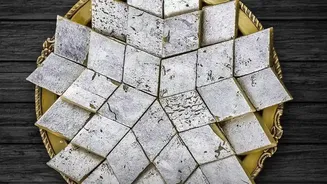
The shimmering silver foil, or vark, on many sweets can sometimes be adulterated with cheaper aluminium foil, which is harmful if ingested. A simple way to check is to gently rub the vark on the sweet. Real, pure silver foil is extremely delicate and will disintegrate or dissolve into the sweet or on your finger. Fake aluminium foil will not disintegrate easily; instead, it may feel thicker and can be peeled off or roll into a tiny ball.
When Possible, Do a Taste Test
Many reputable shops will offer a small sample. Use this opportunity to assess the taste and texture. The sweet should not have a soapy or chemical aftertaste, which could indicate the presence of adulterants like detergent. The texture should be consistent with the type of sweet; for example, a barfi should not feel unnaturally hard or rubbery, which might suggest the use of fillers. A greasy, unpleasant coating left in your mouth could be a sign of low-quality vegetable oils being used instead of pure ghee.
Understand Shelf Life by Type
Not all sweets are created equal when it comes to freshness. Milk-based and paneer-based sweets like Kalakand, Sandesh, and Rasmalai have the shortest shelf life and spoil quickly, often within 1-2 days, even with refrigeration. Sweets made with khoya, like peda and milk cake, last a bit longer at around 4-5 days. The most durable are those made primarily with ghee, sugar, flour (besan), and dry fruits. Sweets like Besan Laddoo, Kaju Katli, and Soan Papdi can last for a week or even longer if stored properly in an airtight container.