






The End of the All-or-Nothing Mindset
For years, a common belief held that for exercise to 'count,' it had to be a long, continuous effort. This all-or-nothing thinking has led countless well-intentioned people to skip exercise altogether when faced with a busy schedule. The good news is that science
is debunking this myth. Research now shows that brief, accumulated bouts of activity throughout the day can be just as beneficial as one long session. This shift in perspective is liberating. It reframes exercise not as a daunting commitment that requires a full hour, a gym membership, and a change of clothes, but as something that can be woven into the fabric of your daily life. It’s about finding pockets of time—10 minutes before a shower, a brisk walk on your lunch break—and making them count.
The Science of 'Exercise Snacking'
The term “exercise snacking” perfectly captures this new approach: small, bite-sized portions of movement spread throughout the day. Far from being a fad, this method is backed by solid research. Studies show that even short bursts of vigorous activity can improve cardiovascular health, boost metabolism, and regulate blood sugar levels. One study found that three separate 10-minute workouts delivered the same cardiorespiratory and blood pressure benefits as one continuous 30-minute session. Another highlighted that just a few short, one- to two-minute bursts of vigorous activity daily were linked to a lower risk of dying from heart disease. This effectiveness is often thanks to principles like High-Intensity Interval Training (HIIT), where short periods of maximum effort are followed by brief rest, which can burn fat and improve fitness more efficiently than longer, steady-state cardio.
More Than Just Physical Benefits
The advantages of short workouts extend beyond physical health. Brief exercise is a powerful tool for managing mental well-being. Physical activity stimulates the production of endorphins, the brain's natural mood elevators and stress fighters. Research indicates that even a few minutes of movement can help reduce feelings of anxiety and improve your mood. A study in JAMA Psychiatry confirmed that short exercise sessions were associated with reduced symptoms of depression and anxiety. Many people report feeling more focused and energized after a quick workout, making it a perfect antidote to the mid-afternoon slump. Instead of reaching for another cup of coffee, a 10-minute walk or a few sets of bodyweight exercises can offer a sustainable boost in concentration and productivity.
How to Make Short Workouts Work for You
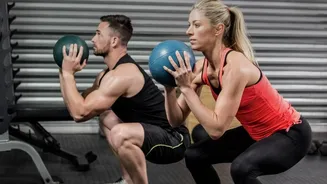
Integrating short workouts into your life is more about creativity than anything else. The key is to find activities you enjoy and that fit seamlessly into your schedule. You could try taking the stairs instead of the elevator, doing a set of squats or push-ups while waiting for water to boil, or holding a walking meeting. A structured approach could involve a 10-minute bodyweight circuit in the morning with exercises like jumping jacks, push-ups, and mountain climbers. For those with diabetes or insulin resistance, research suggests that a brief workout about 10 minutes before a meal can help lower the subsequent spike in blood glucose levels. The goal isn't to exhaust yourself in every session but to simply get your heart rate up and move your body.
Consistency Is the Ultimate Goal
While a single 10-minute workout is better than nothing, the true power of this approach lies in consistency. The habit of moving daily is more impactful than one heroic, hour-long gym session per week. Shorter workouts lower the barrier to entry, making it easier to build a sustainable routine. They remove the common excuse of “not having enough time” and help you build confidence and momentum. By focusing on accumulating small wins, you're more likely to stick with it for the long haul. Rather than viewing exercise as an event you have to schedule, you begin to see it as a natural and essential part of your day, just like brushing your teeth or eating a meal.